How to Protect Your Fruit Trees Before a Summer Storm Rolls In
Summer storms move across Central Florida almost every afternoon from June through September, and they often arrive with little warning. High winds, heavy rain, and lightning can damage fruit trees in minutes, even trees that have grown well for years. A strong gust can snap branches, uproot young trees, and strip fruit before it ripens, while standing water from a hard rain can drown roots and invite disease. Homeowners in Clermont, Winter Garden, and The Villages know how quickly the sky can change during storm season. The good news is that a few simple steps taken ahead of time can protect your trees and reduce the cleanup afterward. This guide walks through what to do before a storm reaches your property, how different fruit trees respond to wind and rain, and how Paul’s Nursery can help you keep your backyard orchard healthy. Preparing now saves you money, fruit, and years of growth later. A little effort today means far less worry the next time a storm builds on the horizon.
Steps to Protect Your Fruit Trees Before a Summer Storm Rolls In
Protecting your fruit trees before a summer storm starts with a clear plan and a little time in the yard. Most storm damage comes from three sources: wind that breaks limbs, water that floods roots, and loose objects that strike the trunk. You can lower the risk from all three with basic preparation that takes only an afternoon. Strong staking keeps young trees upright when gusts hit, and smart pruning removes the weak wood that wind tends to break first. Good mulching and drainage send heavy rain away from the root zone instead of letting it pool around the trunk. Ready to add a sturdy new tree to your yard before storm season peaks? Click here to browse our fruit trees for sale. The steps below explain each task in plain terms so you can act quickly when a storm appears in the forecast.
Staking and Bracing to Protect Your Fruit Trees Before a Summer Storm
Young fruit trees have shallow roots that have not yet anchored deep into the soil. A summer storm can push these trees sideways or lift them out of the ground completely, so staking gives the trunk the support it needs until the root system grows strong. Place two or three sturdy stakes around the tree, spaced evenly, and drive them firmly into the ground beyond the root ball. Use soft, wide ties such as tree straps or strips of cloth to connect the trunk to the stakes. Avoid wire or thin rope, since these can cut into the bark and create wounds that pests and disease enter through. Leave a little slack so the trunk can move and build strength on its own. A tree that flexes a bit in the wind grows stronger than one held completely rigid.
Larger trees with heavy canopies sometimes need bracing rather than simple staking. A wide canopy catches wind like a sail and puts stress on the main trunk and the larger limbs. Flexible support straps anchored low on the trunk can hold the tree steady without restricting healthy movement. Check that every stake sits deep enough to stay put in saturated soil, because wet ground loosens its grip during heavy rain. Inspect existing stakes and ties before each storm to make sure nothing has come loose over the season. Replace any tie that has frayed or any stake that wobbles when you push it. A few minutes of inspection now prevents a snapped trunk later.
Container trees and recently planted trees deserve extra attention during storm season. Trees in pots can tip over in strong wind, which damages the trunk and spills the soil across the yard. Move potted fruit trees against a wall, into a garage, or into a sheltered corner before the storm arrives. Group several pots together so they brace each other and lower their wind exposure. For trees in the ground that went in this spring, double check the staking and add a temporary brace if the forecast looks severe. Water these trees the day before a storm only if the soil is dry, since soaked roots in a pot can rot quickly. Taking these steps keeps your newest investments safe through the worst of the weather.
Pruning to Protect Your Fruit Trees Before a Summer Storm
Pruning before storm season removes the weak and dead wood that wind breaks first. Dead branches, crossing limbs, and narrow forks are the parts most likely to snap and fall during a storm. A branch that breaks can tear a long strip of bark down the trunk, which opens the tree to rot and insects. Remove dead and damaged wood with clean cuts just outside the branch collar. Thin crowded areas so wind can pass through the canopy instead of pushing against a solid wall of leaves. A balanced, open canopy bends with the wind and springs back rather than catching every gust. Always use sharp, clean tools to avoid spreading disease between trees.
Timing matters when you prune fruit trees in Central Florida. Heavy pruning in the heat of summer can stress a tree and expose tender inner branches to sunburn. The goal before a storm is light, targeted cleanup rather than a full reshaping. Focus on the obvious hazards, such as dead limbs, broken stubs, and any branch that hangs over a roof, fence, or driveway. Save major structural pruning for the cooler dormant months when the tree can recover without summer stress. If you are unsure how much to cut, less is usually better during the growing season. A light hand keeps the tree healthy while still lowering the storm risk.
Citrus, mango, and avocado trees each respond to pruning in their own way. Citrus trees tolerate regular thinning and benefit from an open center that lets light and air reach the fruit. Mango trees grow large and dense, so removing a few crowded interior branches reduces the weight that wind has to fight. Avocado wood is somewhat brittle and breaks more easily, which makes careful thinning especially valuable before a storm. Never remove more than a small portion of the canopy at one time, since the leaves shade the bark and fuel the tree. After pruning, clean up fallen branches and fruit so the storm wind has nothing loose to throw. Want to plant a variety that fits your space and your goals? Click here to see our full selection of fruit trees.
Mulching and Drainage to Protect Your Fruit Trees Before a Summer Storm
Heavy summer rain can drop several inches of water in a single afternoon. Fruit tree roots need oxygen, and standing water cuts off that supply within a day or two. Good drainage moves excess water away from the root zone and keeps the soil from turning into mud. Before storm season, walk your property after a normal rain and note where puddles form near your trees. If water collects around a trunk, build up the surrounding grade or add a shallow channel to guide the flow away. Raised beds and gentle mounds help trees in low spots stay above the worst of the flooding. Trees planted in fast draining soil handle storm rain far better than trees sitting in clay or a low pocket.
Mulch protects roots, holds moisture during dry spells, and reduces erosion when rain falls hard. Spread a layer of organic mulch two to three inches deep around each tree. Keep the mulch a few inches away from the trunk, since mulch piled against the bark traps moisture and invites rot. A wide ring of mulch that reaches toward the edge of the canopy protects the most active feeder roots. During heavy rain, this mulch ring slows the water and gives it time to soak in evenly. Refresh the mulch before storm season so it stays in place when the wind and water arrive. Avoid volcano shaped mounds against the trunk, since that common mistake harms more trees than it helps.
Watering routines should change as a storm approaches. Skip irrigation in the day or two before a storm, because the rain will deliver more than enough water. Soil that is already saturated has no room to absorb the downpour, and that leads to runoff and root stress. After the storm passes, check the soil before you water again and let waterlogged ground dry out. Trees that sit in soggy soil for several days can develop root rot and fungal problems that show up weeks later. Watch for yellowing leaves and wilting after a storm, since these are early signs of root trouble. Adjusting your watering around the weather keeps the root zone healthy through the whole season.
How Summer Storm Damage Affects Different Central Florida Fruit Trees
Not every fruit tree reacts to a summer storm in the same way. Some species have flexible wood that bends with the wind, while others have brittle limbs that snap under pressure. The age, size, and root depth of a tree all change how it handles high wind and heavy rain. Knowing how your specific trees respond helps you focus your preparation where it matters most. The sections below cover the most popular fruit trees grown across Central Florida and how each one stands up to storm season. Understanding these differences lets you protect each tree the right way. A little knowledge now turns into less damage and faster recovery later.
Protecting Citrus Fruit Trees From Summer Storm Damage
Citrus trees such as oranges, grapefruit, lemons, and limes are a staple of Central Florida yards. These trees have moderately flexible wood, but a heavy crop of fruit adds weight that strains the branches during a storm. Wind can knock developing fruit to the ground, and a loaded limb can crack under the combined force of fruit and gusts. Thinning some fruit earlier in the season lightens the load and lets the remaining fruit grow larger. An open canopy lets wind move through rather than push against the whole tree. Healthy citrus with strong roots usually recovers well from a typical summer storm. Want to add a productive citrus tree to your yard? Click here to explore our orange trees and other citrus.
Standing water is one of the biggest threats to citrus during storm season. Citrus roots are sensitive to constant wet soil and can develop root rot fairly quickly. After a heavy storm, make sure water drains away from the base of the tree within a day. Mulch helps, but the grade of the soil matters even more for citrus planted in low areas. If your citrus tree sits in a spot that floods often, consider planting future trees on a raised mound. Watch for leaf drop and dark, mushy roots in the weeks after a major storm. Catching these problems early gives the tree a chance to bounce back.
Wind also spreads citrus diseases by carrying spores and bacteria from tree to tree. After a storm, remove fallen leaves and damaged fruit from around your citrus trees to slow the spread. Prune any branches that broke during the storm with clean cuts to seal the wounds. Keep an eye out for greasy spots, lesions, or unusual leaf damage in the days that follow. A storm stressed tree is more open to infection, so good cleanup is part of good protection. Feeding citrus with a balanced fertilizer during the growing season keeps it strong enough to resist these threats. Consistent care across the year matters more than any single storm day.
Protecting Mango and Avocado Trees From Summer Storm Damage
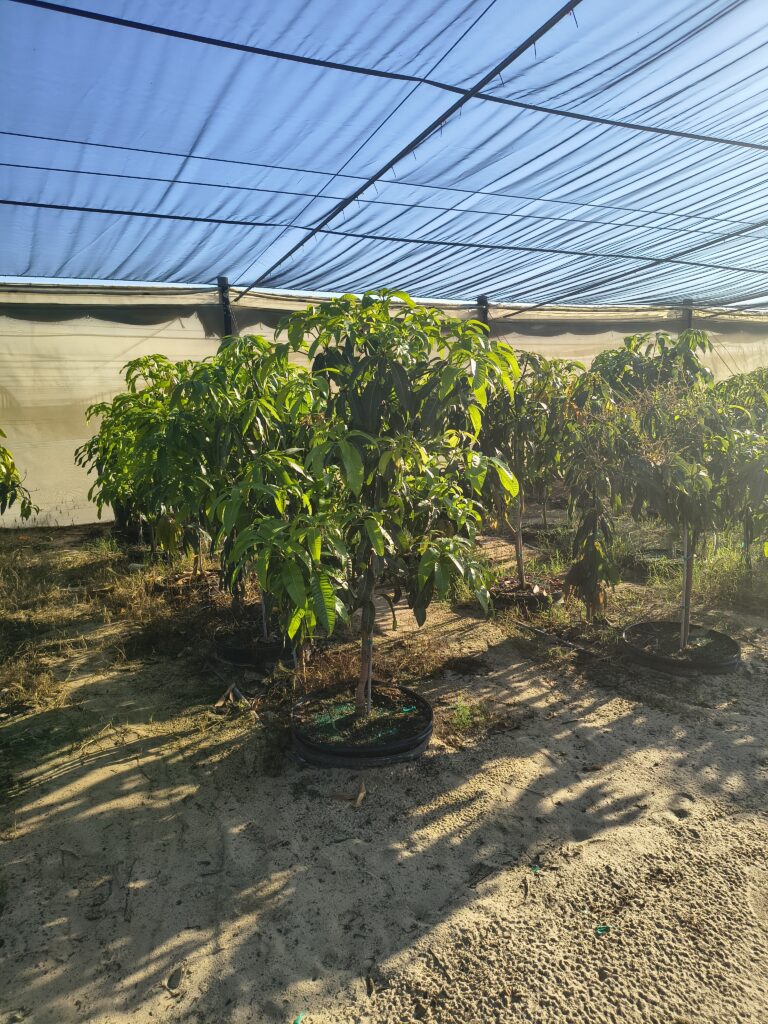
Mango trees thrive in the Central Florida heat and grow into large, dense canopies. That heavy canopy is exactly what catches the most wind during a summer storm. A mature mango carries a wide spread of leaves and developing fruit, and the combined weight can stress major limbs. Thinning the interior of the canopy before storm season lets wind pass through and lowers the strain. Mango wood is reasonably strong, but a poorly balanced tree can still split at a weak fork. Support young mango trees with stakes until their roots take a firm hold. A well shaped mango tree stands up to most summer storms with little damage.
Avocado trees need extra care because their wood is more brittle than many other fruit trees. Large limbs can snap in strong wind, especially when the tree carries a heavy crop. Regular thinning keeps the canopy open and reduces the weight that any single branch must hold. Avoid letting an avocado grow top heavy, since a tall, dense crown is the first thing wind attacks. Stake young avocados firmly and check the ties often during storm season. After a storm, inspect the larger limbs for cracks and remove any that are split or hanging. Prompt cleanup prevents a partial break from becoming a torn trunk.
Both mango and avocado trees suffer when their roots sit in standing water. These tropical trees prefer soil that drains well and dries out between rains. Plant them on higher ground or on a raised mound if your property holds water. After a storm, check that water moves away from the base within a day or so. Mulch helps hold steady moisture, but it should never trap a pool of water against the trunk. Yellow leaves and sudden leaf drop after a storm often point to roots that stayed wet too long. Keeping the soil well drained protects the roots of both species through the wettest months.
Protecting Young and Container Fruit Trees From Summer Storm Damage
Young fruit trees face the greatest danger during a summer storm. Their roots have not spread far, and a strong gust can lift them from the ground. Firm staking is the single most important step for any tree planted within the past year. Use soft ties and check them often, since young bark damages easily. Keep the area around the trunk free of weeds and debris that the wind could throw. A short fence or windbreak on the storm facing side gives extra shelter to a tender new tree. Patience now pays off as the tree grows into a strong, storm ready adult.
Container fruit trees give you the advantage of mobility before a storm. Move pots into a garage, a shed, or against a sturdy wall well before the wind picks up. Lay tall, top heavy pots on their side in a sheltered spot to keep them from blowing over. Group containers together so they shield one another and lower their exposure. Check that drainage holes are clear, because a pot that holds water can drown the roots fast. Once the storm passes, return the pots to their normal spot and check the soil moisture. This simple routine keeps potted trees safe through even a rough storm season.
New plantings benefit from a few extra safeguards during their first storm season. Add a thick ring of mulch to hold the soil and protect the shallow roots from erosion. Avoid heavy fertilizing right before a storm, since tender new growth breaks more easily in wind. Water only when the soil is dry, and let the rain handle the rest. Inspect young trees right after the storm and straighten any that have leaned. Firm the soil gently around the base if the storm loosened the root zone. Giving your newest trees this attention sets them up for strong, healthy years ahead.
Why You Should Prepare Your Fruit Trees Before a Summer Storm With Paul’s Nursery
Storm preparation protects the time, money, and effort you have invested in your fruit trees. A single severe storm can undo years of growth when a tree is left unready. Paul’s Nursery has helped Central Florida families grow healthy backyard orchards through more than 125 years of family nursery tradition. Our team knows which trees thrive in this climate and how to keep them strong through storm season. We offer free estimates for delivery and planting, along with honest recommendations based on your property. With the right preparation and the right trees, your orchard can weather the summer storms and keep producing for decades.
Free Estimates to Help Protect Your Fruit Trees Before a Summer Storm
Every property is different, and the best storm protection plan starts with a close look at your land. Paul’s Nursery provides free estimates for delivery and planting across Central Florida. Our team can assess your drainage, your sun exposure, and the spots most likely to flood during a storm. We then recommend the trees and placement that give you the best chance of a healthy, storm ready orchard. This honest, low pressure approach has guided local families for generations. A free estimate is the easiest first step toward a stronger yard.
Choosing the right planting spot makes a real difference when storms arrive. A tree placed in well drained soil and sheltered from the harshest wind faces far less risk. Our team understands the local soil and weather patterns across Clermont, Winter Garden, The Villages, and the surrounding areas. We help you avoid the low, flood prone spots that lead to root rot after heavy rain. Smart placement at planting time saves you years of struggle and repeated storm damage. Good planning early on means less worry every storm season.
A free estimate also helps you plan for the future of your orchard. We can suggest which varieties to add, where to place them, and how to space them for healthy growth and good airflow. Proper spacing lets wind pass between trees instead of building pressure against a tight row. Our recommendations always reflect what is best for your property, not what is easiest to sell. This is the family approach that Paul’s Nursery has built its name on. Reach out today and let us help you protect your trees before the next storm.

Healthy Fruit Trees That Stand Up to Summer Storms
A storm ready orchard begins with strong, healthy trees from the start. Paul’s Nursery grows and selects trees suited to the Central Florida climate and soil. A tree that is well rooted and properly grown handles wind and rain far better than a stressed or weak one. Our trees arrive healthy and ready to establish a deep, anchoring root system. That strong foundation is your best defense against storm damage. Quality at planting time leads to resilience for years to come.
We carry a wide range of fruit trees that thrive in our region. Citrus, mango, avocado, and many tropical and temperate varieties are all available at our Groveland nursery. Each type has its own strengths and its own storm considerations, and our team can match you with the right fit. We help you choose trees that suit your space, your soil, and your level of care. The right tree in the right spot needs less work and survives storms more easily. Healthy choices early on lower your risk down the road.
Strong trees also recover faster when a storm does cause some damage. A well established tree can heal a clean pruning cut and push out new growth within weeks. A weak tree, by contrast, may struggle to recover and become a target for pests and disease. This is why we focus on quality and honest guidance from the very first visit. Starting with healthy stock gives your orchard the resilience it needs. Browse our selection and find trees that are built to last through Florida storms.
Why Choose Paul’s Nursery to Protect Your Fruit Trees Before a Summer Storm
Paul’s Nursery brings more than 125 years of family nursery tradition to every customer. We are a family owned nursery focused on honest recommendations and long term results. Our team helps homeowners across Central Florida create thriving backyard fruit orchards. We know the local climate, the soil, and the storms that roll through each summer. That experience guides every tree we recommend and every planting we complete. When you work with us, you get advice rooted in generations of hands on knowledge.
We serve Clermont, Winter Garden, The Villages, and many nearby communities from our location in Groveland. Free estimates for delivery and planting make it easy to get started without any upfront cost. Our honest approach means we recommend only the trees and services that truly fit your property. We care about the health of your orchard long after the trees are in the ground. This commitment has earned the trust of local families for generations. We treat your yard with the same care we give our own.
Protecting your fruit trees before a summer storm is far easier with an experienced team on your side. Paul’s Nursery is ready to help you choose, plant, and care for trees that stand up to Florida weather. Visit us at 13844 Equestrian Dr in Groveland, or call us today at (352) 536-4893 to schedule your free estimate. Our friendly team is happy to answer your questions and recommend the best trees for your property. With the right preparation and the right trees, your backyard orchard can thrive through every storm season. Reach out now and let Paul’s Nursery help you grow a stronger, healthier yard.