How to Prepare Your Soil Before Planting a New Fruit Tree
Good soil is the foundation of every healthy fruit tree, and the work you do before planting matters more than almost anything you do afterward. Central Florida soil is sandy, fast draining, and often low in the organic matter that young roots depend on, so a little preparation goes a long way. Many homeowners buy a beautiful tree, dig a quick hole, and wonder months later why the leaves look pale or the growth has stalled. The answer is usually hiding in the ground, not in the branches. When you take time to test your soil, correct the pH, and build up the planting site, you give the roots a head start that pays off for years. This guide walks you through each step in plain terms, using methods that work for citrus, mango, avocado, and the other trees that thrive in this region. Ready to start your orchard the right way? Click here to browse our fruit trees for sale. By the end, you will know exactly how to prepare your soil before planting a new fruit tree with confidence.
How to Test and Assess Your Soil Before Planting a New Fruit Tree
You cannot fix a problem you have not measured, so soil testing comes first. Before you dig a single hole, you want to understand how your soil drains, how acidic it is, and what it feels like in your hands. These three factors decide how well water, air, and nutrients reach the roots of your new tree. Testing takes very little time and costs almost nothing, yet it prevents the most common causes of tree decline in Central Florida. A simple home assessment tells you most of what you need, and a lab test fills in the details. Once you know your starting point, every other decision becomes easier and far more accurate.
Testing Soil Drainage Before Planting a New Fruit Tree
Drainage is the single most important thing to check before planting a new fruit tree, because most fruit trees hate wet feet. To test it, dig a hole about one foot wide and one foot deep in the spot where you plan to plant. Fill that hole with water and let it drain completely, then fill it a second time and watch the clock. Good drainage means the water level drops roughly one to three inches every hour. If the water sits for many hours or overnight, you have a drainage problem that needs attention before the tree goes in the ground. Standing water suffocates roots, invites root rot, and undoes all your other hard work.
Central Florida gives homeowners a mixed picture when it comes to drainage. Much of the region sits on deep sandy soil that drains almost too fast, which means you often fight to hold water rather than to shed it. Low spots, clay pockets, and areas near downspouts can behave in the opposite way and stay soggy long after rain. This is why you test the exact planting location instead of guessing based on the yard as a whole. A tree placed in a soggy pocket will struggle no matter how healthy it looked at purchase. Spend the extra ten minutes on this step, since it protects the largest investment in your orchard.
If your drainage test shows slow results, you still have solid options before you plant. Raising the planting site into a low mound of six to twelve inches lifts the roots above the water table and improves airflow around them. Mixing coarse organic matter into the surrounding area helps as well, and choosing a naturally higher spot in the yard solves the issue outright. Some fruit trees tolerate damp ground better than others, so matching the tree to the site keeps everyone happy. Our team can point you toward varieties suited to your specific conditions when you visit. Getting drainage right before planting saves you from expensive replacements down the road.
Checking Soil pH Before Planting a New Fruit Tree
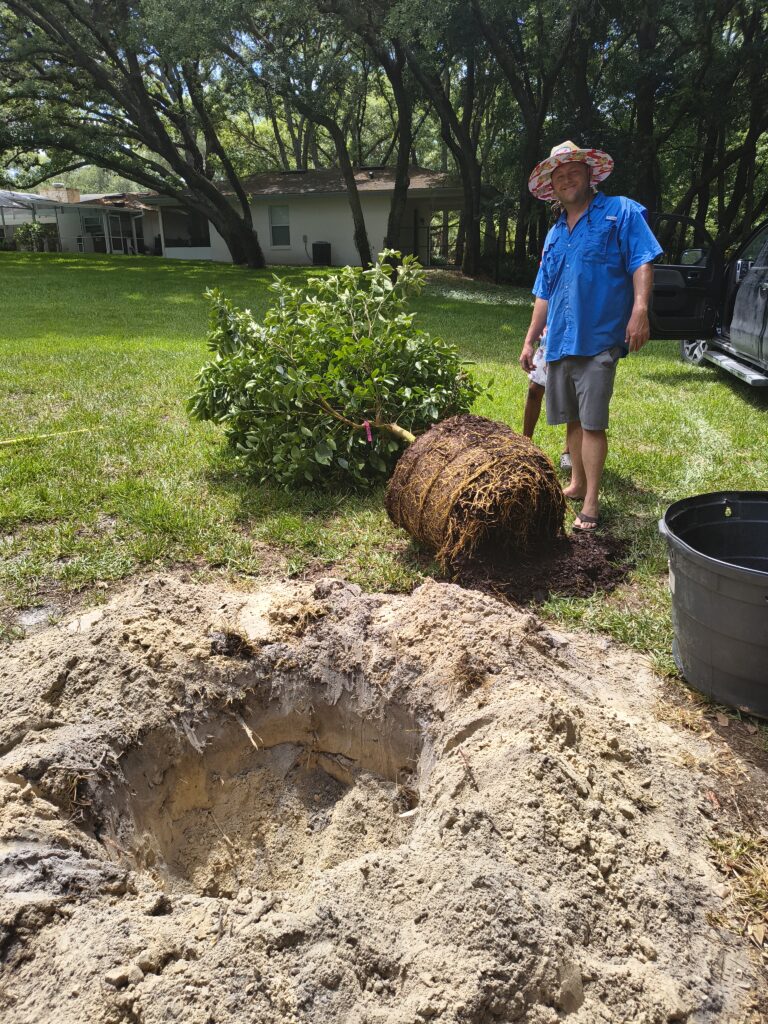
Soil pH controls how well your tree can absorb the nutrients already present in the ground, so checking it before planting a new fruit tree is not optional. The pH scale runs from acidic to alkaline, and most fruit trees prefer a slightly acidic range around 6.0 to 6.5. Citrus, mango, and avocado all sit comfortably in that band and grow best when the soil stays in that zone. When the pH drifts too high or too low, nutrients lock up in the soil and the tree cannot use them, even when they are present. Yellowing leaves and stalled growth often trace back to a pH problem rather than a lack of fertilizer. An inexpensive test kit or a probe meter gives you a reading in minutes.
Central Florida soil tends toward the acidic side, though results vary from yard to yard and even from bed to bed. Homes near old citrus groves may have different readings than newer developments built on fill dirt. Areas close to concrete, driveways, or stucco walls often test higher because lime leaches out of those materials over time. This is why a single test at the actual planting spot beats any general assumption about the neighborhood. Blueberry bushes stand out as a special case, since they demand a much more acidic range and will fail in ordinary soil without correction. Knowing your number before planting lets you match the tree and the amendments to reality.
Once you have a reading, you can plan any adjustments well ahead of planting day. Raising pH usually involves adding garden lime, while lowering it calls for elemental sulfur or an acidic soil amendment. These changes take weeks to work through the soil, so timing them early is the smart move. You do not want to plant first and scramble to fix the pH while the tree is already stressed. A steady, correct pH from day one lets the roots settle in and feed themselves naturally. Small effort here creates a large payoff in long term health and fruit production.
Reading Soil Texture Before Planting a New Fruit Tree
Soil texture describes the mix of sand, silt, and clay in your ground, and reading it before planting a new fruit tree tells you how the soil will behave. Grab a handful of moist soil and squeeze it, then watch what happens when you open your hand. Sandy soil falls apart quickly and feels gritty, while clay soil holds a tight ribbon and feels sticky and smooth. Loam, the ideal blend, holds together loosely and crumbles when you poke it. Most Central Florida yards land on the sandy end, which drains fast but struggles to hold water and nutrients. Knowing your texture guides how much organic matter you will need to add.
Sandy soil comes with clear tradeoffs that every local grower learns to manage. Water and fertilizer move through it quickly, which means roots can dry out and nutrients can wash away before the tree uses them. On the positive side, sandy soil almost never stays waterlogged, so root rot is far less of a threat than in heavy clay regions. The fix for sand is simple in concept, since adding compost and organic material helps the soil hold onto moisture and food. That single habit transforms a droughty planting site into one that supports steady growth. You do not need to replace the soil, only to enrich it.
Heavier or compacted spots call for a different approach, though they show up less often in this part of the state. If your handful holds a firm shape and feels dense, the soil may resist water and choke roots. Loosening a wide area, mixing in coarse organic matter, and avoiding foot traffic over the root zone all help these sites breathe. Whatever texture you find, the goal is the same, which is soil that holds enough moisture without staying soggy. Reading the texture first tells you how much work that will take. With this knowledge in hand, you are ready to move from testing into real preparation. Curious which trees suit your soil best? Click here to explore our avocado trees for sale.
How to Amend and Improve Your Soil for a New Fruit Tree
With your tests complete, the next stage is building the soil into a home where roots want to grow. Amending soil means adding the right materials to improve structure, feed the ground, and correct any imbalances you found during testing. The aim is not to create perfect soil overnight but to move it steadily toward the range your tree prefers. Central Florida sand responds well to organic matter, and most pH corrections settle in with a few weeks of lead time. Preparing the planting hole itself is part of this stage, since how you dig matters as much as what you add. Handle these steps well and your tree slides into the ground ready to thrive.
Adding Organic Matter to Improve Soil for a New Fruit Tree
Organic matter is the workhorse amendment for improving soil for a new fruit tree, especially in sandy Central Florida yards. Compost, aged manure, and well rotted leaf material all add body to loose soil and help it hold water and nutrients. As this material breaks down, it feeds the tiny soil organisms that make nutrients available to roots. Sandy soil that once drained too fast begins to retain the moisture a young tree needs between rains. The change is gradual but reliable, and it compounds year after year as the soil life builds. A few inches of quality compost worked into the planting area sets a strong foundation.
The way you apply organic matter matters as much as the amount you use. Spread compost across a wide area rather than dumping it all into one narrow hole, since roots will eventually spread far beyond the trunk. Work it into the top several inches of soil so it blends with the native ground instead of forming a separate layer. A sharp line between rich amendment and plain sand can trap water and confuse root growth, so blending is key. Aim to improve the whole planting zone, roughly three to five feet across, not just the spot where the roots start. This broader approach encourages roots to reach outward and anchor the tree firmly.
Consistency over time keeps your improved soil working long after planting day. A yearly layer of compost or organic mulch on the surface feeds the soil as it slowly decomposes and washes down to the roots. Mulch also shades the ground, holds moisture, and keeps soil temperatures steady through hot Florida summers. Keep any mulch a few inches back from the trunk itself, since piling it against the bark invites rot and pests. This simple maintenance habit turns a one time soil improvement into a lasting system. Your tree rewards the effort with steadier growth and better fruit.
Correcting Soil pH to Improve Soil for a New Fruit Tree
Correcting pH is a targeted way to improve soil for a new fruit tree when your test reveals a number outside the ideal range. If your soil tested too acidic for the tree you chose, garden lime raises the pH toward neutral over several weeks. If your soil tested too alkaline, elemental sulfur or an acidifying amendment lowers it gradually into the range most fruit trees prefer. The word gradually matters here, because these products work slowly as they react with the soil. Applying them early, ideally weeks before planting, gives the correction time to take hold. Rushing this step leaves your tree in soil that still fights against nutrient uptake.
Follow the application rates on the product and retest after a few weeks to confirm the direction of change. Overcorrecting causes its own set of problems, so a light and steady hand beats a heavy one. Water the amendment in well, since these materials need moisture to react and move through the soil. Central Florida rains help with this, though a hose does the job during dry stretches. Keep in mind that pH tends to drift over time, so an occasional retest during the tree’s life keeps things on track. A short record of your readings makes future adjustments simple and precise.
Certain plants demand special pH attention that goes beyond the usual range. Blueberry bushes, for example, need strongly acidic soil and will languish in the neutral ground most citrus enjoys. Preparing a dedicated bed with peat and an acidifying amendment gives blueberries the environment they require. Matching the correction to the specific plant prevents disappointment and wasted effort. When you are unsure which range your chosen tree prefers, our team can walk you through it during your visit. Getting the pH right before planting removes one of the biggest hidden obstacles to healthy growth.
Preparing the Planting Hole to Improve Soil for a New Fruit Tree
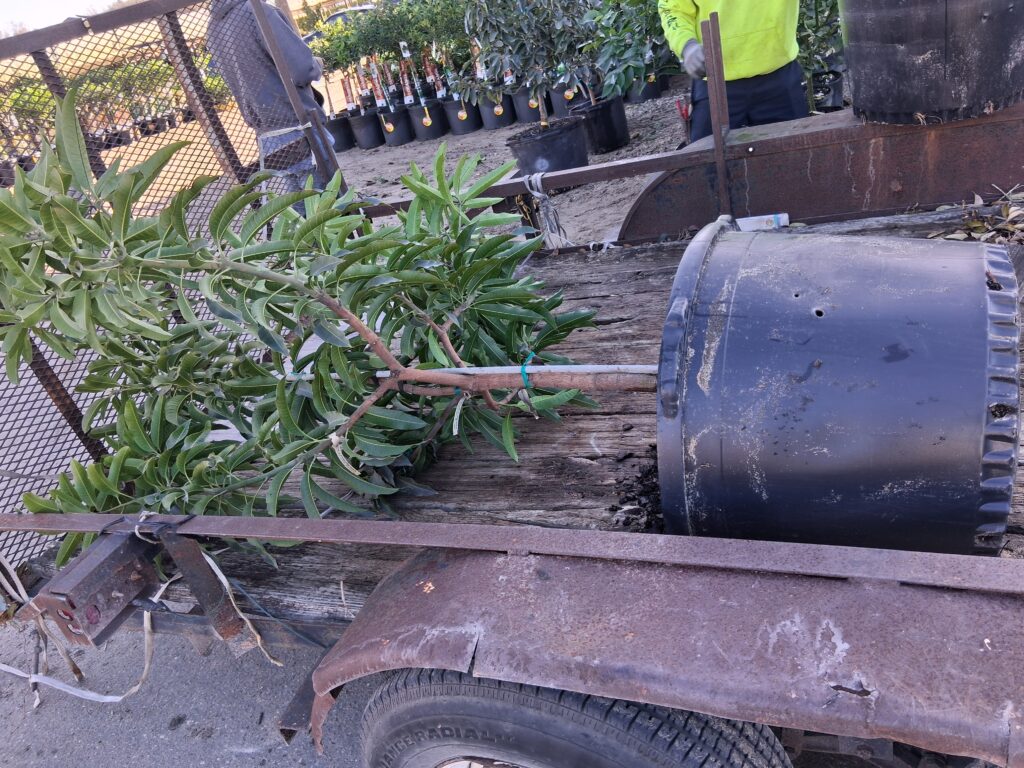
Digging the planting hole correctly is the final and most hands on step to improve soil for a new fruit tree. Dig the hole about two to three times as wide as the root ball but only as deep as the root ball is tall. A wide hole loosens the surrounding soil so new roots spread outward with ease, which anchors the tree and speeds establishment. Digging too deep is a common error, since it lets the tree settle and sink below grade over time. You want the top of the root ball to sit level with or slightly above the surrounding ground. Roughening the sides of the hole helps roots break through instead of circling the edge.
Backfill choices spark plenty of debate, and modern practice favors a balanced approach. For most fruit trees, filling the hole mostly with the native soil you removed encourages roots to adapt to the ground they will live in. Blending in a modest amount of compost is fine, though a hole packed with pure rich amendment can trap water and discourage roots from venturing out. The wide area of improved topsoil you prepared earlier does the heavy lifting for long term feeding. Settle the backfill with water rather than heavy tamping, which removes air pockets without compacting the soil. This gentle method leaves the root zone loose and breathable.
Finish the planting by shaping the surface to guide water where it helps most. A shallow basin of soil around the outer edge of the hole catches rain and irrigation and directs it down to the roots. Add a layer of mulch across the planting area, keeping it clear of the trunk as always. Water deeply right after planting to settle everything and remove any remaining gaps around the roots. In the first weeks, steady moisture matters more than fertilizer, since the roots need time to reach into the surrounding soil. A well dug hole and a thoughtful backfill give your new tree the smoothest possible start.
Why You Need Proper Soil Preparation Before Planting a New Fruit Tree
Soil preparation is the quiet difference between a tree that survives and a tree that truly thrives. Every hour you spend testing, amending, and digging correctly reduces stress on the tree and lowers the risk of early failure. In Central Florida, where sandy soil and shifting pH challenge new plantings, that preparation matters even more. Homeowners who skip these steps often spend far more later on replacements, treatments, and frustration. The good news is that the work is simple, affordable, and well within reach of any gardener. Set your soil up correctly once and your tree carries that advantage for its entire life.
Long Term Benefits of Soil Preparation Before Planting a New Fruit Tree
The long term payoff of soil preparation before planting a new fruit tree shows up in stronger growth and better harvests. Trees planted in well prepared soil develop deeper, wider root systems that draw water and nutrients efficiently. That strong root base helps the tree stand up to drought, wind, and the heat of Florida summers. Healthy roots also support more foliage, which in turn fuels heavier and more consistent fruit production. Over the years, the difference between a prepared site and a rushed one becomes impossible to miss.
Well prepared soil also lowers the ongoing cost and effort of keeping your tree healthy. When the pH sits in the right range and organic matter feeds the ground, you fertilize less and troubleshoot fewer problems. The soil holds moisture better, so irrigation stretches further during dry spells and your water bill stays reasonable. Fewer nutrient deficiencies mean fewer yellow leaves and fewer worried trips to search for answers online. This steady, low maintenance health is exactly what most homeowners hope for when they plant.
Perhaps the greatest benefit is confidence, the sense that your tree has every chance to succeed. Planting is an investment of money, time, and hope, and good soil protects all three. A tree that establishes quickly rewards you with shade, beauty, and fruit far sooner than a struggling one. That early success also builds your own skill and enthusiasm for adding more trees over time. Strong soil today becomes the backbone of a thriving backyard orchard tomorrow.
Common Soil Mistakes to Avoid Before Planting a New Fruit Tree
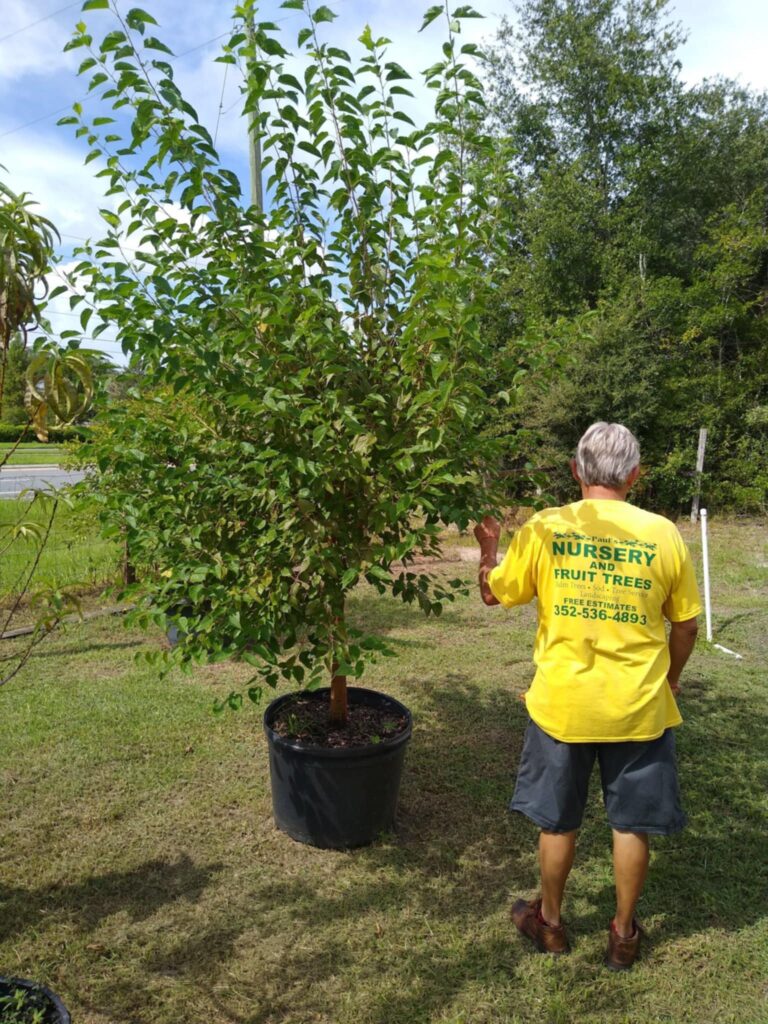
Knowing the common soil mistakes to avoid before planting a new fruit tree keeps you from learning them the hard way. The most frequent error is skipping the drainage test and planting in a spot that stays wet after rain. Another common misstep is digging the hole too deep, which lets the tree sink and its trunk sit below grade. Filling the hole with pure compost instead of blending in native soil traps water and discourages roots from spreading. Each of these mistakes looks harmless on planting day yet causes trouble weeks or months later.
Ignoring pH ranks high on the list of avoidable problems in Central Florida yards. A tree planted in soil that is too acidic or too alkaline cannot feed itself properly, no matter how much fertilizer you add. Mulching against the trunk is another quiet mistake, since it holds moisture on the bark and invites rot. Piling excess soil over the root ball has the same effect, smothering the roots that need air. Small habits like these add up and quietly undermine an otherwise healthy planting.
The easiest way to avoid these mistakes is to slow down and follow the steps in order. Test first, correct what needs correcting, dig the hole correctly, and water the tree in well. When a question comes up, ask an experienced nursery rather than guessing and hoping for the best. Our team sees these situations every day and can steer you clear of the pitfalls that trip up new growers. A little guidance up front saves a great deal of effort and expense later.
Why Choose Paul’s Nursery for Soil Preparation and New Fruit Tree Planting
Paul’s Nursery brings more than one hundred twenty five years of family nursery tradition to every tree we grow and sell. We know Central Florida soil because we work with it season after season, and we share honest recommendations based on your actual yard. Our trees are healthy and suited to this region, from citrus and mango to avocado and tropical varieties. When you shop with us, you get real guidance on drainage, pH, and planting rather than a guess and a shrug. That local knowledge is exactly what turns a good tree into a thriving one.
We also make the process easy from start to finish for homeowners across the area. Free estimates for delivery and planting take the heavy lifting off your shoulders and put it in experienced hands. We serve Clermont, Winter Garden, The Villages, and many nearby communities with trees ready for local conditions. Our focus stays on helping families create backyard orchards they can enjoy for decades. That mission guides every recommendation we make and every tree we plant.
When you are ready to prepare your soil and plant with confidence, we are here to help every step of the way. Stop by our nursery at 13844 Equestrian Dr in Groveland, browse our selection, and talk through your project with people who care about the outcome. Want to see everything we grow before you plant? Click here to view our full lineup of fruit trees for sale. Call us today at (352) 536-4893 to ask questions, request a free estimate, or plan your next planting. Your backyard orchard starts with the right soil and the right nursery, and Paul’s Nursery is ready to make it happen.