Preparing Your Backyard Orchard for Hurricane Season
Hurricane season runs from June through November across Central Florida, and your backyard orchard sits right in the path of strong winds, heavy rain, and saturated soil. Fruit trees carry a great deal of weight in their canopy, so a single storm can snap branches, topple young trunks, or drown roots in standing water. Smart preparation protects the years of growth you have already invested in your citrus, mango, and avocado trees. The good news is that most storm damage is preventable with a few steady habits each season. You do not need special equipment to give your trees a strong chance of surviving a major storm. You do need a clear plan, the right timing, and an understanding of how wind and water move through your property. This guide walks through every step homeowners around Groveland and Clermont can take before the next storm forms. Following these steps now means less cleanup, fewer lost trees, and a faster recovery once the weather settles.
Why Hurricane Preparation Matters for Your Backyard Orchard
Many homeowners only think about their fruit trees after a storm has already passed, which is the worst time to react. By then, branches have torn, roots have lifted, and salt spray has settled into the leaves. Preparing your backyard orchard ahead of hurricane season changes the outcome completely. A tree that is pruned, staked, and growing in well draining soil handles wind far better than one left to grow unchecked. Storm preparation also protects your home, your fence, and your neighbors from falling limbs and uprooted trunks. Central Florida sees both tropical storms and full hurricanes, so the risk stretches across many months. Treating preparation as a yearly routine keeps your orchard productive for decades.
The Main Storm Risks Facing Your Backyard Orchard
Wind is the most obvious threat to any backyard orchard during hurricane season. Gusts can exceed one hundred miles per hour during a major storm, and that force pushes hard against a full canopy. Trees with dense, heavy tops act like sails and catch the wind instead of letting it pass through. This pressure can snap large limbs, split the trunk, or pull the entire root system out of the ground. Young trees face the highest risk because their roots have not spread wide enough to anchor them. Older trees with decayed wood or poor structure can fail just as easily. Knowing how wind moves through your orchard is the first step toward reducing damage.
Water is the second major risk, and homeowners often overlook it entirely. Hurricanes drop enormous amounts of rain in a short window, and Central Florida soil can only absorb so much at once. When water pools around the base of a fruit tree, the roots sit in standing moisture and begin to suffocate. Citrus and avocado trees are especially sensitive to flooded soil and root rot. Low spots in your yard collect runoff and turn into shallow ponds during heavy storms. Drainage problems that seem minor in dry weather become serious threats during a hurricane. Mapping the wet areas of your property tells you where your trees need the most protection.
Salt and debris create a third layer of risk that lingers after the storm passes. Coastal and inland winds carry salt spray that coats leaves and burns tender new growth. Flying debris such as roof shingles, fence boards, and loose branches can strike trunks and strip bark away. Open wounds in the bark invite pests and disease into an otherwise healthy tree. Saltwater intrusion in low lying areas can change the soil chemistry around your roots for weeks. Each of these problems weakens a tree that might have survived the wind alone. Understanding the full range of storm risks helps you build a complete preparation plan.
How Wind Damage Affects Your Backyard Orchard
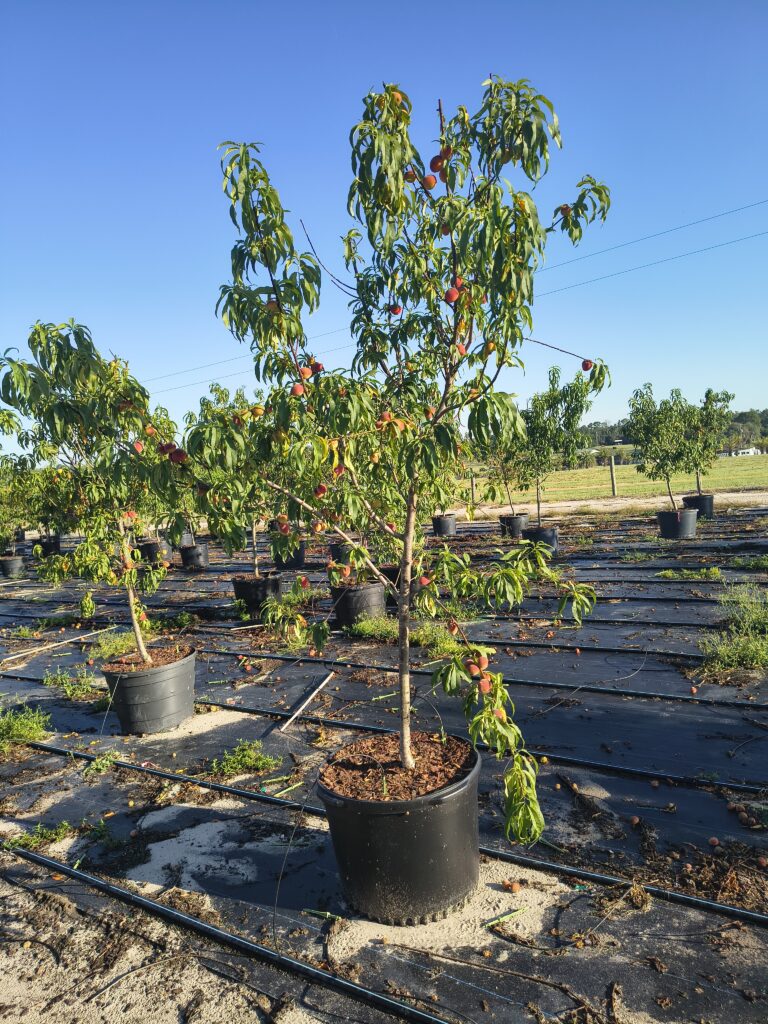
Wind damage in a backyard orchard rarely stops at a few broken twigs. A strong gust can tear a major scaffold limb away from the trunk, leaving a large wound that never fully heals. When a limb rips off, it often pulls bark down the side of the trunk and exposes the inner wood. That exposed wood becomes an entry point for fungus, bacteria, and boring insects. Trees that lose a third or more of their canopy struggle to feed themselves through photosynthesis. The stress of losing so many leaves can stunt growth for an entire season. This is exactly why thinning the canopy before a storm matters so much.
Root damage from wind is harder to see but often more deadly. As wind rocks a tree back and forth, the root ball loosens in the soil and air pockets form underground. These pockets dry out the fine feeder roots that absorb water and nutrients. A tree that looks upright after a storm may still be dying slowly from hidden root failure. Saturated soil makes this worse, since wet ground grips roots far less firmly than dry ground. Young trees and recently planted ones tip over most easily for this exact reason. Staking and proper planting depth go a long way toward keeping roots anchored.
Repeated wind stress also shapes how a tree grows over many years. Trees that survive several storms often develop lopsided canopies that lean away from the prevailing wind. This uneven growth puts strain on one side of the trunk and creates weak points for the next storm. Fruit production drops when a tree spends its energy repairing damage instead of setting blossoms. A poorly structured tree may need years of corrective pruning to recover its proper shape. Selecting wind tolerant varieties and training young trees early prevents many of these long term problems. A well structured orchard handles each new storm season with far less loss.
Protecting Tree Health in Your Backyard Orchard
Protecting the long term health of your backyard orchard starts well before any storm appears on the forecast. Healthy trees with strong root systems and balanced canopies simply survive storms better than stressed ones. Consistent watering during dry months builds deep roots that anchor against wind. Proper fertilizing keeps growth steady without forcing the soft, weak shoots that break easily. A tree fighting pests or disease enters hurricane season already weakened and vulnerable. Routine care throughout the year is the foundation of every storm preparation plan. Strong trees give you a real head start when the season turns active.
Soil health plays a quiet but powerful role in storm survival. Compacted soil sheds water instead of absorbing it, which leads to pooling and root suffocation. Adding organic matter and keeping a layer of mulch helps the ground soak up heavy rain. Mulch also protects shallow feeder roots from the pounding of intense downpours. You should keep mulch a few inches away from the trunk to prevent rot and pest hiding spots. Good soil structure lets excess water drain down and away from the root zone. Building healthy soil over time makes flooding far less dangerous to your trees.
Timing your care around the season gives your orchard the best chance to thrive. Heavy pruning in late summer encourages tender new growth that storms can easily destroy. Major structural pruning is best done in late winter or very early spring before the active season. Light thinning to open the canopy can happen as a storm approaches, though big cuts should wait. Hold off on heavy nitrogen feeding once hurricane season begins to avoid forcing weak growth. Keep your tools clean and sharp so any storm preparation cuts heal quickly. A calm, well timed routine protects your orchard far better than rushed work during a watch.
How to Prepare Fruit Trees for Hurricane Season
Once you understand the risks, the next step is taking direct action on each tree in your orchard. Preparing fruit trees for hurricane season comes down to three main jobs: managing the canopy, anchoring the trunk, and protecting trees that grow in containers. Each task reduces a specific kind of storm damage. None of them require professional equipment, though expert guidance helps you avoid common mistakes. The work spreads across the season rather than crowding into the final days before a storm. Start early, stay consistent, and your trees will face each storm in far better shape. The sections below break down exactly what to do and when to do it.
Pruning Fruit Trees Before Hurricane Season
Pruning is the single most effective way to prepare fruit trees for hurricane season. A thick, dense canopy catches wind and acts like a sail that pushes the whole tree sideways. Thinning the interior lets wind pass through the branches instead of slamming into a solid wall of leaves. The goal is to open the center of the tree while keeping its natural shape and balance. Remove crossing branches, weak shoots, and any limbs that rub against each other. Cut away dead or diseased wood first, since those branches break the easiest in a storm. A balanced, open canopy bends with the wind rather than fighting it head on.
Timing your pruning correctly protects the tree from extra stress. Major structural pruning belongs in the dormant or slow growth window of late winter and early spring. Heavy cuts in late summer push out soft new growth that storms tear away in seconds. As hurricane season builds, stick to light thinning rather than aggressive cutting. If a named storm is on the way, remove only the loose, dead, and clearly hazardous limbs. Avoid topping your trees, which means cutting off the entire upper canopy, because it creates weak regrowth and poor structure. Thoughtful timing keeps your pruning helpful instead of harmful.
Pruning technique matters as much as timing when you prepare fruit trees for storms. Always cut just outside the branch collar, the slightly swollen area where the limb meets the trunk. Clean cuts in the right spot heal quickly and seal out pests and disease. Tearing or stubbing a branch leaves a wound that rots and weakens the tree. Use sharp, sanitized tools and disinfect them between trees to stop the spread of disease. Step back often to check the balance and shape of the canopy as you work. Want help shaping young trees correctly from the start? Click here to explore our healthy fruit trees for sale.
Staking and Supporting Fruit Trees for Hurricane Season
Staking gives young fruit trees the anchor they need to survive hurricane season. A newly planted tree has a small root ball that cannot yet grip the soil firmly. Strong wind rocks an unstaked young tree until the roots loosen and the trunk leans or falls. Driving two or three sturdy stakes around the tree spreads the support evenly. Soft, flexible ties hold the trunk in place without cutting into the bark. The ties should allow a little movement, since some sway actually strengthens the trunk over time. Proper staking is one of the most important steps for any tree planted in the last two years.
How you stake a tree matters as much as the decision to stake it at all. Place stakes outside the root ball so you do not drive them through the roots. Position them to brace against the strongest expected wind direction, which often comes from the east or south during Florida storms. Use wide, soft strapping material instead of thin wire or rope that can girdle the trunk. Check the ties every few weeks during the growing season to make sure they have not grown too tight. Remove stakes after a year or two once the tree can stand on its own. A tree left staked too long never develops the trunk strength it truly needs.
Mature trees need a different kind of support during hurricane season. You cannot stake a large established tree, so the focus shifts to structure and weight. Thinning the canopy reduces the wind load that pushes against the trunk and roots. Removing heavy fruit before a major storm lessens the strain on stressed limbs. Cabling weak or split limbs together is a job best left to trained professionals with the right hardware. Check the soil around the base for cracks or lifting, which signal a loosening root system. Strong support choices protect both your young saplings and your oldest producing trees.
Protecting Potted Fruit Trees During Hurricane Season
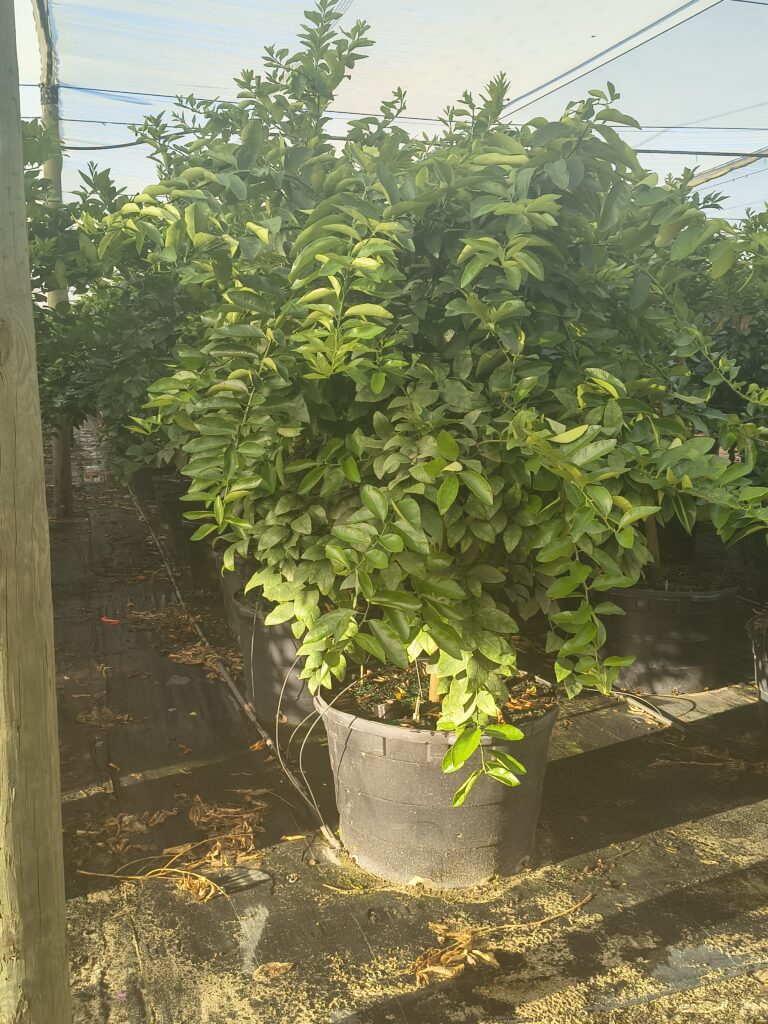
Potted fruit trees face unique dangers during hurricane season that trees in the ground do not. A container has no deep root anchor, so even moderate wind can tip it over and snap branches. The pot itself becomes a flying hazard when the wind is strong enough to lift it. Potted citrus, fig, and other patio trees need a safe spot well before the storm arrives. The simplest protection is moving containers indoors, into a garage, or against a sheltered wall. Grouping pots together in a low, protected corner reduces how much wind each one catches. Planning a home base for your potted trees saves you a frantic scramble during a watch.
Drainage is just as critical for potted trees as it is for the rest of your orchard. A pot left out in a hurricane fills with rainwater fast, and roots drown in the saturated mix. Make sure every container has open drainage holes that are not blocked by roots or debris. Raising pots on feet or blocks lets water escape freely from the bottom. If you must leave a pot outside, lay it on its side to keep it from filling and tipping. Avoid heavy saucers that trap water around the roots during long, wet storms. Good drainage protects potted trees from the rot that follows every major rain event.
After the storm, potted trees need a quick check and some recovery care. Stand any tipped containers upright as soon as it is safe to go outside. Rinse salt and debris off the leaves with fresh water to prevent leaf burn. Inspect the trunk and branches for cracks, and prune any clearly broken limbs with a clean cut. Hold off on fertilizing for a few weeks so the tree can settle before pushing new growth. Move recovering pots back into bright, sheltered light rather than harsh full sun right away. With a little attention, most potted fruit trees bounce back quickly from a storm.
Why You Should Plan Your Hurricane Ready Orchard With Paul’s Nursery
A storm ready orchard does not happen by accident; it comes from good planning and the right trees. Paul’s Nursery has helped Central Florida homeowners build resilient backyard orchards for generations. We know which fruit trees handle wind and rain best in our local soil and climate. Our team offers honest recommendations, free delivery and planting estimates, and hands on guidance at every stage. From your very first tree to a full producing orchard, we help you prepare for every season. The right start now means fewer losses when the next storm rolls through.
Get Expert Help Preparing Your Orchard for Hurricane Season
Preparing an orchard for hurricane season is far easier with experienced guidance behind you. Our team has watched countless storms move through Central Florida and has seen what saves trees and what loses them. We can walk you through pruning, staking, and drainage choices for your specific property. Every yard has its own wet spots, wind patterns, and sun exposure that shape the right plan. With local knowledge on your side, you avoid the costly trial and error of guessing. Reach out anytime to talk through your orchard before the next storm forms.
We also help homeowners fix the problems that make storms worse year after year. Poor drainage, crowded planting, and weak tree structure all raise your risk during a hurricane. Our staff can point out these issues and suggest practical, lasting fixes. We offer free estimates for delivery and planting so you know your costs up front. Want to add storm tough trees to your yard this season? Click here to browse our avocado trees for sale.
Good preparation is an ongoing relationship, not a one time visit. Trees grow, seasons change, and your orchard needs adjustments as it matures. We stay available to answer questions throughout the long Florida storm season. Our advice is built on more than a century of family nursery tradition. You always get straight answers about what your trees actually need. Lean on our experience so you can enjoy your harvest with confidence.
Choose Storm Resilient Fruit Trees for Your Orchard
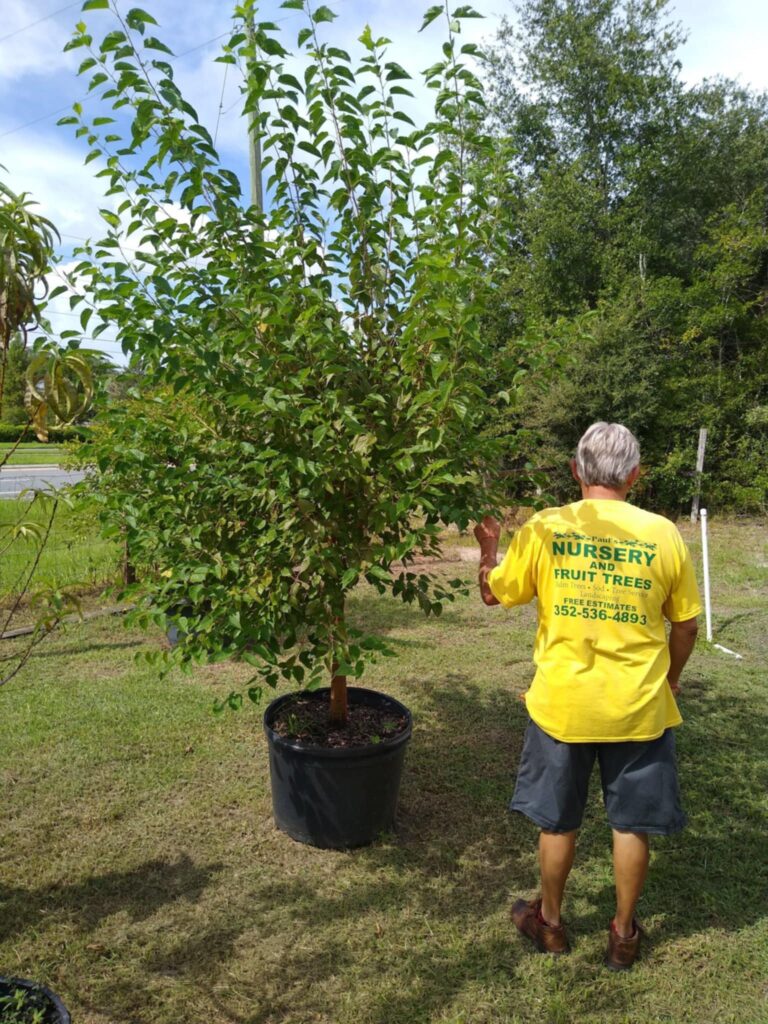
The trees you plant today decide how your orchard handles storms for decades. Some fruit trees naturally resist wind better thanks to flexible wood and compact growth. Others need more shelter and careful placement to survive a major hurricane. Choosing the right varieties for your space sets you up for long term success. We help match each tree to your soil, sun, and exposure. A smart planting plan is the foundation of a storm resilient orchard.
Placement matters just as much as the variety you select. Planting wind sensitive trees near a fence, wall, or sturdy windbreak gives them valuable protection. Spacing trees correctly lets wind pass between them instead of building pressure. Keeping trees out of low, flood prone spots protects roots from standing water. Our team helps you map your yard before a single tree goes in the ground. Thoughtful placement saves you from moving or replacing trees later.
We carry a wide range of fruit trees suited to Central Florida conditions. From hardy citrus and figs to tropical mango and avocado, you have plenty of strong choices. Each tree we sell is healthy, well rooted, and ready to establish quickly in your yard. Quick establishment means deeper roots and better storm anchoring within the first few seasons. Looking for trees built for our climate? Click here to explore our mango trees for sale and find the right fit.
Why Choose Paul’s Nursery for Your Backyard Orchard
Paul’s Nursery brings more than one hundred twenty five years of family nursery tradition to every customer. That experience shows in the health of our trees and the honesty of our advice. We focus on helping homeowners build real, productive backyard orchards. You will never get a hard sell or a tree that does not fit your space. Our reputation across Clermont, Winter Garden, and The Villages was built on doing right by our neighbors.
We make starting and protecting your orchard simple from the very first step. Free estimates for delivery and planting take the guesswork out of your budget. Our knowledgeable staff answers your questions in plain language with no pressure. We serve Groveland, Clermont, and many nearby Central Florida communities. From a single backyard tree to a full orchard, we are here for every season.
When hurricane season arrives, you want a nursery partner you can trust. Paul’s Nursery stands behind every tree and every recommendation we make. Stop by our location at 13844 Equestrian Dr in Groveland to see our healthy stock in person. Ready to build a storm ready orchard this season? Call us today at (352) 536-4893 and let our family help protect yours.