What to Know Before Planting a Mulberry Tree in Your Backyard
Mulberry trees rank among the easiest fruit trees to grow in Central Florida backyards, and summer is a smart time to plan your planting. They grow fast, tolerate our sandy soil, and reward you with sweet fruit within a season or two. A summer planting works well here, as long as you commit to steady watering while the roots settle in. A little planning now prevents the most common mistakes homeowners run into later. You want the right spot, the right variety, and enough room for the tree to spread. Mulberries can grow large, so placement matters more than most people expect. The fruit also stains, which shapes where you put the tree in your yard. This guide walks you through what to know before you dig the first hole.
What to Know Before Planting a Mulberry Tree in Central Florida
Central Florida gives mulberry trees close to ideal growing conditions. Our long warm season, mild winters, and full sun days push these trees to establish quickly. Before planting a mulberry tree, you need to think through location, soil, and variety. Each choice affects how much fruit you harvest and how much work the tree creates over time. Homeowners in Clermont, Groveland, and The Villages plant mulberries because they thrive with little fuss. Still, a poor spot or the wrong variety can turn an easy tree into a headache. The sections below break down the three decisions that matter most before you plant.
Choosing the Right Spot Before Planting a Mulberry Tree
Mulberry trees need full sun to produce a heavy crop, so start by studying how light moves across your yard. Pick a spot that gets at least six hours of direct sunlight each day, and more is better for fruit production. Shade slows growth and cuts your fruit yield sharply, which disappoints many first time growers. In Central Florida, an open area on the south or west side of the yard usually works well. Give the tree room to reach its mature size, since many mulberries spread fifteen to thirty feet wide. Crowding the tree against a fence or house leads to constant pruning and weaker growth. Measure the space before you buy, and picture the tree at full size rather than the small plant in the pot. That single step saves you from moving a heavy, established tree later.
Fruit staining is the reason placement matters so much with mulberries. Ripe berries drop and stain concrete, cars, patios, and walkways a deep purple that resists cleaning. Keep the tree well away from driveways, pool decks, and any surface you care about. Birds feed on the fruit and spread stains even farther through their droppings. Many homeowners plant mulberries toward the back of the yard for exactly this reason. A grassy area handles fallen fruit better than hardscape, since mowing clears the mess with each pass. If you want fruit near a seating area, plan for regular cleanup during the harvest weeks. Thinking about mess now keeps the tree from becoming a chore later.
Roots and drainage deserve attention before you plant a mulberry tree. These trees develop wide, vigorous root systems that search out water and nutrients across a large area. Keep the planting hole away from septic lines, water pipes, and the foundation of your home. Sandy Central Florida soil drains fast, which mulberries appreciate, since they dislike sitting in soggy ground. Avoid low spots where rain pools after our heavy summer storms. If your yard holds water in one area, choose higher ground or build up a gentle mound instead. Good drainage protects the roots from rot during the wet season. A dry, sunny, open spot checks every box a mulberry needs.
Preparing the Soil Before Planting a Mulberry Tree
Mulberry trees adapt to most soils, which makes them forgiving for new growers. Central Florida sand suits them well, though it holds few nutrients on its own. Mix compost or aged organic matter into the planting area to feed the young tree through its first season. Aim for soil that drains freely yet still holds some moisture for the roots to draw on. A soil pH between 5.5 and 7.0 keeps a mulberry happy in our region. You do not need perfect soil, but a little preparation speeds up establishment noticeably. Loosen the ground in a wide circle so new roots spread with ease. Rich, loose soil gives your mulberry a strong start in its first summer.
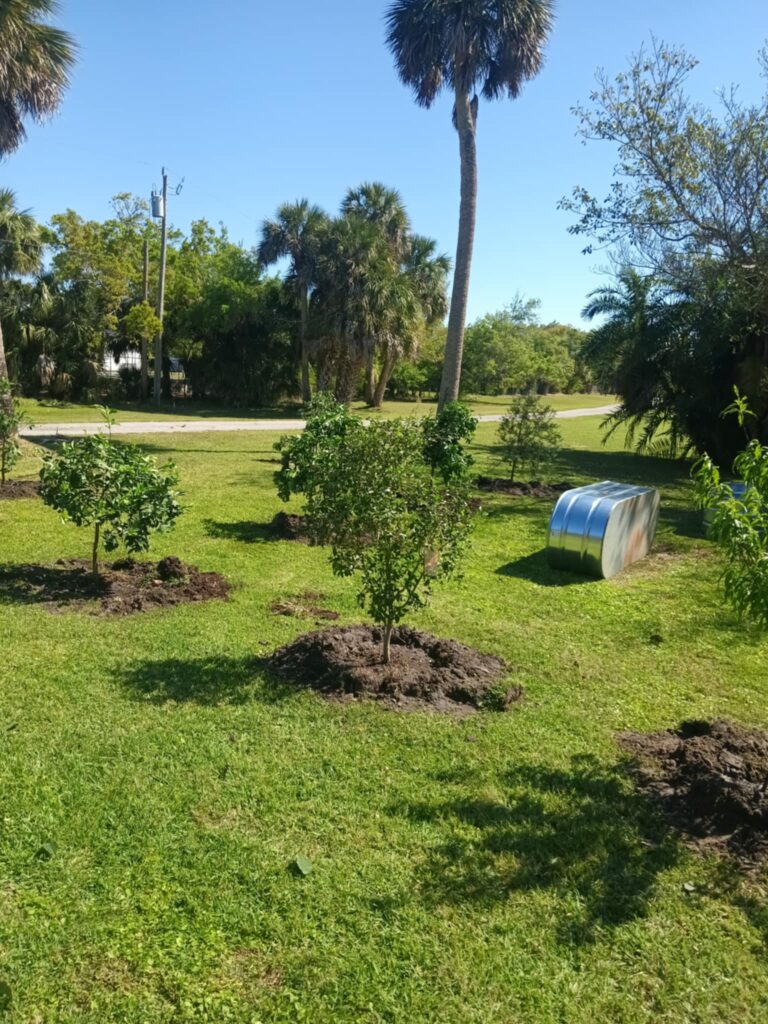
Dig a hole two to three times as wide as the root ball, but no deeper than the root ball itself. Planting too deep is one of the most common mistakes homeowners make with fruit trees. Set the tree so the top of the root ball sits level with the surrounding ground or slightly above it. Sandy soil settles over time, so a slightly raised planting protects the trunk from sitting in water. Backfill with the native soil you removed, mixed with a bit of compost for nutrients. Firm the soil gently to remove large air pockets around the roots. Water deeply right after planting to help the soil settle in close to the roots. Correct planting depth now prevents crown rot and slow growth down the road.
Mulch is one of the best things you can add after planting a mulberry tree. Spread a two to three inch layer of wood chips or bark over the root zone. Keep the mulch a few inches away from the trunk to prevent rot and pests. Mulch holds moisture in the soil, which matters greatly during a hot Central Florida summer. It also blocks weeds that compete with your young tree for water and nutrients. As the mulch breaks down, it feeds the soil and improves its structure. Refresh the layer once or twice a year to keep the benefits going. A well mulched tree needs less water and grows faster through its first season.
Picking the Right Variety Before Planting a Mulberry Tree
Not every mulberry variety fits every backyard, so choose with your space in mind. Dwarf Everbearing mulberry stays small and fits patios, containers, and tight yards. Pakistan mulberry produces long, firm berries with a rich, sweet flavor that many growers love. Black Beauty offers dark fruit on a compact tree that works in smaller spaces. Larger types like white mulberry and older red mulberry varieties can tower over a yard if left unpruned. Match the mature size of the variety to the room you actually have. The right variety cuts down on pruning and keeps harvest within easy reach. Ask our team which mulberry suits your yard, and browse the options on our mulberry trees for sale page.
Homeowners with small yards should lean toward dwarf and everbearing mulberries. These trees stay manageable and still deliver a strong crop for their size. Everbearing types fruit over a long stretch rather than in one short burst. That longer window suits families who want fresh fruit across several weeks. A dwarf tree also fits in a large container, which gives you options on a patio or balcony. Container growing lets you move the tree and control its size with ease. For anyone short on space, a compact variety turns a small yard into a productive one. Smaller trees also make netting against birds far simpler at harvest time.
Flavor and fruit type vary a good deal across mulberry varieties. Some berries taste sweet and mild, while others carry a deeper, slightly tart note. Fruit color ranges from white to red to nearly black when fully ripe. Think about how you plan to use the fruit, since fresh eating, baking, and jam each favor different types. Ripening time also differs, so you can stretch your season by choosing carefully. If you feel unsure, our nursery staff can point you toward a proven performer for Central Florida. We grow varieties that handle our heat, humidity, and sandy soil. Explore our full selection of fruit trees for sale to see how a mulberry fits alongside other backyard favorites.
How to Care for a Mulberry Tree After Planting in Your Backyard
Care in the first year decides how well your mulberry tree establishes. Summer planting in Central Florida works, but it demands steady attention to water. Young trees have shallow roots that dry out fast in the July and August heat. Once established, mulberries handle drought and neglect with impressive ease. Pruning, watering, and simple pest control keep the tree healthy and productive. The tasks are light, though timing matters through our hot season. Below you will find the three care habits that make the biggest difference.
Watering Your Mulberry Tree After Planting in Summer
A newly planted mulberry tree needs consistent water while its roots settle in. During a Central Florida summer, plan to water deeply two or three times a week at first. Slow, deep soaking beats a quick daily sprinkle, since it drives roots downward toward stable moisture. Check the soil a few inches down, and water when it feels dry to the touch. Morning watering gives the tree moisture before the day heats up. Our afternoon storms help, but do not rely on them to do the whole job. A layer of mulch stretches the time between waterings and protects the roots. Steady moisture through the first month sets the tree up for strong growth.
Once the tree establishes, its water needs drop sharply. Mature mulberries in Central Florida often thrive on rainfall alone for much of the year. During long dry stretches, a deep soak every week or two keeps the fruit plump. Overwatering an established tree causes more harm than a little drought. The wide root system pulls moisture from a large area of soil. You can taper off frequent watering after the first growing season. Watch the tree during spring fruiting, since that stage benefits from steady moisture. A mulberry that has settled in becomes one of the lowest maintenance fruit trees you can own.
Reading your tree tells you when watering is off balance. Wilting leaves in the morning often signal that the soil has gone too dry. Yellowing leaves and soggy ground point to too much water instead. Sandy soil drains fast, so root rot is less common here than in heavy clay. Still, low spots that stay wet after storms can drown young roots. Adjust your schedule to the weather rather than watering on autopilot. Feel the soil before each watering, since that habit prevents both extremes. A tree watered by observation stays healthier than one watered by the calendar.
Pruning Your Mulberry Tree to Keep Your Backyard Manageable
Mulberry trees grow fast, and that speed makes pruning important. Left alone, many varieties shoot up beyond an easy harvest height in just a few years. Regular pruning keeps the fruit within reach and the tree in scale with your yard. It also opens the canopy so sunlight and air reach the inner branches. Good airflow lowers the risk of fungal problems in our humid climate. Pruning early trains the tree into a strong, balanced shape for the long term. A shorter, wider tree is far easier to pick, net, and manage. Think of pruning as the main tool that keeps a mulberry from taking over.
Timing your pruning improves both the tree and the harvest. In Central Florida, the best time to prune hard is during the brief winter dormancy. Mulberries drop their leaves for a short period, which makes the branch structure easy to see. Cutting during dormancy also reduces stress on the tree. Light shaping cuts can happen after the spring harvest as well. Avoid heavy pruning in late fall, since fresh growth can get nipped by a rare cold snap. Summer is a fine time for small corrective cuts, not major reshaping. Prune with the season in mind, and the tree responds with vigorous, healthy growth.
Good pruning technique keeps a mulberry productive and safe to harvest. Start by removing dead, crossing, or damaged branches to clean up the canopy. Cut back the tallest leaders to hold the tree at a height you can reach. Use clean, sharp tools and make cuts just above a bud or branch junction. Do not remove more than about a third of the canopy in a single season. Step back often to check the shape as you work. Aim for an open center that lets light into the middle of the tree. With a little practice, yearly pruning becomes a quick and rewarding task.
Protecting Your Backyard Mulberry Tree From Pests and Birds
Mulberry trees face few serious pests in Central Florida, which adds to their appeal. Healthy trees shrug off most insects that bother other fruit trees. Keep an eye out for scale, mites, and the occasional caterpillar during flushes of new growth. A strong spray of water often clears minor infestations without any chemicals. Good sunlight, airflow, and drainage prevent most problems before they start. Remove fallen fruit regularly, since rotting berries attract insects and disease. A healthy, well placed tree stays remarkably trouble free. Simple attention beats heavy treatment when it comes to a backyard mulberry.
Birds are the main competition for your mulberry harvest. These trees are famous for drawing flocks once the berries ripen. Some growers plant mulberries on purpose to lure birds away from other fruit. If you want the crop for yourself, drape netting over the tree as the fruit colors up. A smaller or pruned tree makes netting far easier to manage. Harvest ripe berries often, since fewer berries on the tree means less to attract birds. Sharing part of the crop with wildlife is simply part of growing mulberries. Plan your defense before the first berries turn dark, not after.
A little feeding keeps your mulberry vigorous and productive year after year. Apply a balanced fruit tree fertilizer in early spring as growth begins. A second light feeding in early summer supports the tree through fruiting. Avoid heavy nitrogen late in the year, since it pushes tender growth at the wrong time. Watch the leaves, since deep green color usually signals a well fed tree. Pair feeding with mulch and steady water for the best results. If you want help building a full care plan, our team is glad to guide you. A short call gets your mulberry started off right.
Why You Need Paul’s Nursery to Plant Your Backyard Mulberry Tree
Planting a mulberry tree is simple, but a strong start makes all the difference. Paul’s Nursery has served Central Florida families through more than a century of nursery tradition. We grow healthy trees suited to our heat, sand, and humidity. Our team gives honest recommendations based on your yard and your goals. From selection to delivery to planting, we make the whole process easy from start to finish. Let us help you build a backyard orchard that lasts for years.
Get Free Delivery and Planting Estimates for Your Mulberry Tree
Paul’s Nursery offers free estimates for delivery and planting on every fruit tree we sell. A young mulberry in a large container can be heavy and awkward to move on your own. Our crew handles the lifting, transport, and placement so you avoid the strain. We also plant the tree correctly, at the right depth and in the right spot. That first step matters more than most homeowners realize. Ask for your free estimate and let us do the heavy work.
Professional delivery and planting removes the guesswork from starting your mulberry tree. We bring the tree to your property and set it exactly where it will thrive. Our team knows the local soil and the spacing a mulberry needs to grow well. Proper planting protects your investment and speeds up establishment. You get a healthy tree in the ground without renting equipment or straining your back. A free estimate costs you nothing and answers your questions up front.
We serve Clermont, Winter Garden, The Villages, Groveland, and many nearby Central Florida communities. Local service means we understand the conditions in your specific area. From Tavares to Apopka to Davenport, homeowners trust us to deliver strong, healthy trees. Our delivery range covers a wide stretch of Lake, Sumter, Orange, and Polk County neighborhoods. Reach out to confirm service to your address and schedule a visit. A local nursery gives you support long after the tree is planted.
Shop Healthy Mulberry Trees for Your Central Florida Backyard
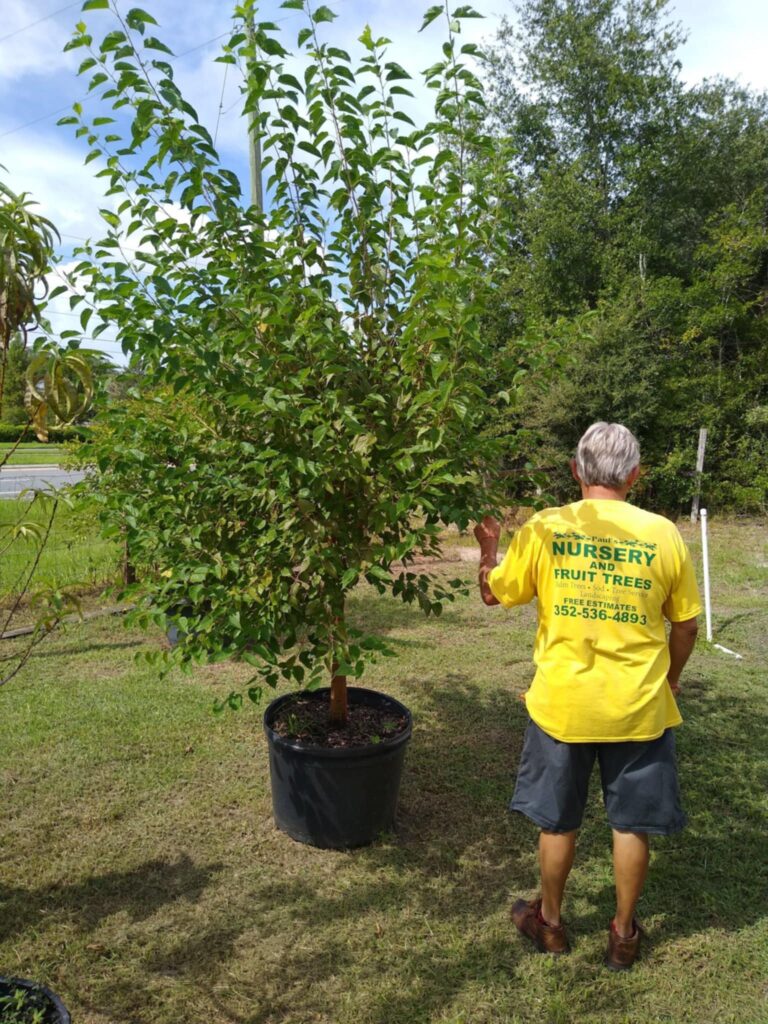
Healthy trees start with a nursery that grows them right. Paul’s Nursery raises mulberry trees suited to Central Florida yards and climate. Our trees arrive strong, well rooted, and ready to establish quickly. A quality tree gives you fruit sooner and fewer problems along the way. We stand behind the trees we sell and the advice we give. Shop with us for a mulberry that is built to thrive here.
Our selection includes mulberry varieties for yards of every size. Dwarf and everbearing types fit small spaces and containers with ease. Larger varieties suit open yards where you want a big harvest. Our staff helps you match the tree to your space and your taste. You leave with a variety proven to perform in our region. Honest guidance means you plant the right tree the first time.
Visiting our nursery lets you see healthy trees before you buy. You can walk the rows, ask questions, and picture the tree in your yard. Our team shares planting and care tips based on years of local experience. We make choosing a mulberry simple and enjoyable. Bring your questions and your yard measurements when you come. We are ready to help you find the perfect fruit tree.
Why Choose Paul’s Nursery for Your Backyard Mulberry Tree
Paul’s Nursery brings more than one hundred and twenty five years of family nursery tradition to every tree we sell. That experience shows in the health of our trees and the quality of our advice. We know which fruit trees thrive in Central Florida and which struggle here. Families across the region return to us because we get it right. Our long history means you work with people who truly know the trade. Choose a nursery that has earned its reputation over generations.
Honest recommendations sit at the heart of how we do business. We never push a tree that will not thrive in your yard. Instead, we listen to your goals and point you toward the right fit. That approach saves you time, money, and frustration down the road. Our focus stays on helping you create a backyard orchard you will enjoy for years. Trust and straight answers keep our customers coming back.
Ready to plant a mulberry tree in your backyard? Paul’s Nursery is here to help you choose, deliver, and plant the right tree for your yard. Browse our mulberry trees for sale and see which variety fits your space. Call us today at (352) 536-4893 to ask questions or schedule your free delivery and planting estimate. We proudly serve Clermont, Winter Garden, The Villages, Groveland, and the surrounding Central Florida communities. Let our family help your family grow fresh fruit at home.