Everything You Need to Know About Growing Passion Fruit Vines on a Backyard Trellis
Passion fruit vines grow fast and reward Central Florida gardeners with fragrant flowers and tart, tropical fruit. Summer is the right time to start because warm soil and long days push strong vine growth from the moment you plant. A backyard trellis gives the vine the vertical support it needs to climb, spread its leaves, and set a heavy crop. Many homeowners in Clermont, Winter Garden, and The Villages plant passion fruit along a fence line or arbor for both shade and harvest. This guide walks you through trellis setup, plant care, and the steps that lead to baskets of fruit each warm season. You will learn how to position the support, train the vine onto the wires, and keep pests off the leaves. By the end you will know exactly what passion fruit needs to thrive in your yard. Paul’s Nursery has helped local families build backyard orchards for generations, and the same proven approach works beautifully for vines.
How to Set Up a Backyard Trellis for Passion Fruit Vines
A backyard trellis does far more than hold the vine off the ground. Passion fruit is a vigorous climber that can reach fifteen to twenty feet in a single season, so the structure must carry real weight without sagging. A strong trellis improves air flow around the leaves, which lowers the risk of fungal problems during humid Florida summers. Good support also keeps the fruit clean, off the soil, and easy to reach at harvest time. The vine grabs onto wires and lattice with curling tendrils, so it needs something thin enough to grip yet strong enough to hold. Planning the trellis before you plant saves you from wrestling a tangled vine onto a flimsy frame later. The right setup starts with three things: location, materials, and a simple training plan.
Choosing the Right Trellis Location for Passion Fruit Vines
Location sets the ceiling on how well your passion fruit vine will perform all season. The plant needs full sun, which means at least six hours of direct light each day, and more sun is always better in Central Florida. Pick a spot on the south or west side of the yard where the trellis catches both morning and afternoon light. Avoid placing the vine under a tree canopy or close to tall buildings that throw long shadows across the frame. Sunlight drives flowering, and more flowers lead directly to more fruit on the vine. A shaded vine will grow plenty of leaves but set very little fruit, which frustrates many first time growers. Walk your yard at different times of day and watch where the light falls before you commit to a spot.
Soil and drainage matter as much as sun when you choose a trellis location for passion fruit vines. The roots cannot tolerate standing water, so steer clear of low areas where rain pools and lingers after a storm. Sandy Central Florida soil drains quickly, which suits passion fruit well, though mixing in compost before planting gives the roots a richer start. Aim for slightly acidic soil with a pH near six and a half for the healthiest growth. Test the spot with an inexpensive soil kit if you are unsure where your yard stands. Raised beds or a small planting mound can lift the roots above wet ground in places that hold moisture. Good drainage keeps root rot away and sets the vine up for years of steady production.
Wind exposure and spacing round out a smart location choice for your backyard trellis. Passion fruit vines carry a huge amount of leaf surface, so a strong gust can rock a weak structure or tear young shoots loose. Place the trellis where a fence or hedge breaks the hardest wind without blocking the sun the vine depends on. Leave open room on all sides so you can walk around the plant easily to prune and harvest. Keep the base several feet away from sidewalks and foundations because both the roots and shoots spread wide over time. A little planning here prevents crowding and damage once the vine fills the entire frame. Want help picking the best spot and variety for your yard? Click here to view our passion fruit vines.
Building a Sturdy Backyard Trellis for Passion Fruit Vines
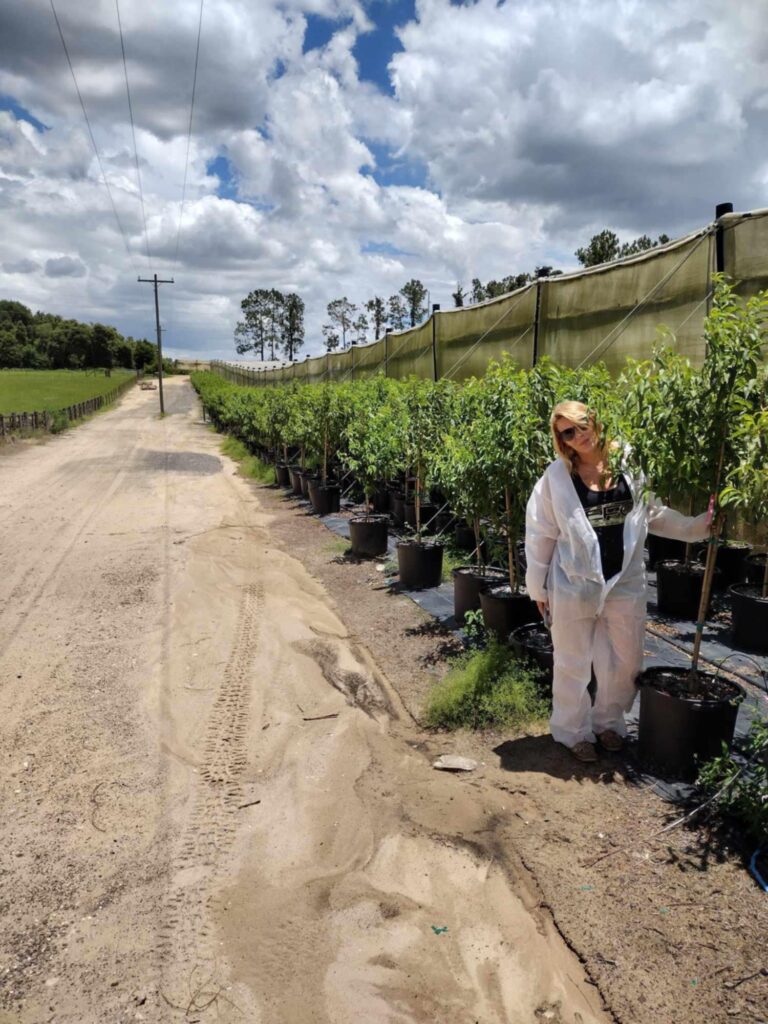
A sturdy trellis is the backbone of any successful passion fruit planting. Start with pressure treated posts set at least two feet deep in the ground and spaced about eight to ten feet apart. Pouring concrete around the post base adds stability for a structure that will hold heavy vines for many years. Run galvanized wire between the posts in horizontal rows, with the lowest wire about two feet off the ground and the rest spaced roughly a foot apart. Strong wire resists rust and carries the load far better than thin string or twine that snaps under weight. A fence panel, cattle panel, or wood lattice also works well as long as it can bear a mature vine. Build the trellis at a height you can still reach, since most of the fruit hangs down from the upper growth.
Material choice decides how long your backyard trellis will last in the demanding Florida climate. Heat, heavy rain, and constant humidity break down cheap wood and untreated metal surprisingly fast. Cedar and pressure treated lumber stand up to moisture and resist rot across many seasons of growth. Galvanized or vinyl coated wire shrugs off rust where bare steel would corrode within a year or two. Stainless steel hardware costs more up front, but it saves you from frustrating repairs down the line. Skip flimsy garden netting entirely because the vine will outgrow it and pull the whole thing down. Spend a little more on quality materials now and the structure will outlast several full rounds of vines.
Size and shape give your passion fruit the room it needs to climb and produce. A trellis at least six feet tall and eight feet wide gives a single vine enough surface to spread comfortably. An overhead arbor or pergola turns the vine into living shade for a patio, and the fruit dangles within easy reach below. Make sure the top stays open and sunny so the upper growth, where most fruit forms, soaks up full light. Angle or curve the structure if you want a decorative feature running along a walkway or seating area. Plan for the vine to fill the entire frame within one full growing season here in Central Florida. A generous frame today means a fuller canopy and a much bigger harvest later.
Training Passion Fruit Vines onto a Backyard Trellis
Training starts the very day you plant your passion fruit vine at the base of the trellis. Set the young plant about a foot away from the lowest support so the roots stay clear of the posts. Tie the main stem loosely to the trellis using soft garden tape or thin strips of cloth. Avoid wire ties or anything stiff that can cut into the growing stem as it thickens. Guide the leading shoot upward and let the tendrils catch the wire on their own as they reach. Check the ties every week, because the stem expands quickly during the summer growth surge. Early guidance sets the shape for the entire vine and makes every later step easier.
As the vine climbs, spread the side shoots across the trellis so it covers the frame evenly. Passion fruit fruits best on new growth, so a wide, open framework gives you many more productive stems. Pinch the growing tip once the main stem reaches the top of the structure. This simple cut encourages the vine to send out lateral branches that fill the open space. Weave or gently tie those laterals along the horizontal wires in both directions. An even spread improves sunlight and air flow across every single leaf. The goal is a flat, fan shaped layer of growth rather than one thick, tangled ball.
Regular attention keeps a trellised passion fruit vine tidy and productive through the season. Walk the structure once a week during peak growth to redirect any wayward shoots. Tuck loose stems back into the wires before they reach toward nearby plants or the gutters. Remove any growth that heads down toward the ground instead of climbing upward. A vine left completely on its own becomes a heavy snarl that shades out its own flowers. Light, frequent guidance always beats one big cleanup every few months. A tidy, well trained vine pours its energy into flowers and fruit instead of fixing tangles.
How to Care for Passion Fruit Vines Growing on a Trellis
Care keeps a trellised passion fruit vine healthy from the day you plant it through every harvest. The vine grows fast and burns through a lot of water and nutrients to fuel that growth and set fruit. A steady routine of watering, feeding, pruning, and pest checks pays off in a full, reliable crop. Florida summers bring heat, sudden downpours, and humidity, all of which shape how you tend the plant. Get the basics right and the vine will flower for months and fruit straight through the warm season. Skip them and you may end up with lush leaves but disappointingly little fruit. The sections below break down each part of a simple, effective care plan.
Watering and Feeding Passion Fruit Vines on a Trellis
Watering keeps a passion fruit vine growing strong through the relentless Florida heat. Young plants need consistent moisture while the roots establish, so water two or three times a week during the first month. Once settled in, the vine still wants regular water, especially while it is flowering and fruiting. Deep watering at the base beats a quick daily splash because it draws the roots downward. Mulch around the base with two or three inches of bark or straw to hold moisture and cool the soil. Keep that mulch a few inches off the main stem so it does not trap rot against the wood. During the rainy season, ease off the hose and let the regular afternoon storms do the work.
Feeding gives your trellised passion fruit vine the nutrients it needs to fruit well. Use a balanced fertilizer in early spring as growth picks up, then feed again every six to eight weeks through the warm months. A formula with steady nitrogen, phosphorus, and potassium supports healthy leaves and a strong fruit set. Too much nitrogen pushes leafy growth at the expense of flowers, so resist the urge to overfeed. Citrus and avocado blends sold for Florida yards work very well for passion fruit too. Spread the fertilizer in a ring around the base of the vine and water it in thoroughly. Stop feeding in late fall so the vine can slow down naturally before cooler weather arrives.
Consistent care during the growing season makes the difference between a thin crop and a full one. Watch the leaves for clues about water and nutrients, since pale or yellow foliage often signals a problem. A vine that wilts in the afternoon heat usually just needs a deeper drink at the roots. Steady moisture also helps the fruit fill out properly and drop when ripe rather than shriveling on the stem. Ripe passion fruit falls to the ground on its own, so a clean mulch layer cushions the harvest below. Collect the fallen fruit every day or two during the peak of the season. A little attention now turns into baskets of fruit later. Ready to start your own backyard vine? Click here to see our passion fruit vines for sale.
Pruning Passion Fruit Vines on a Backyard Trellis
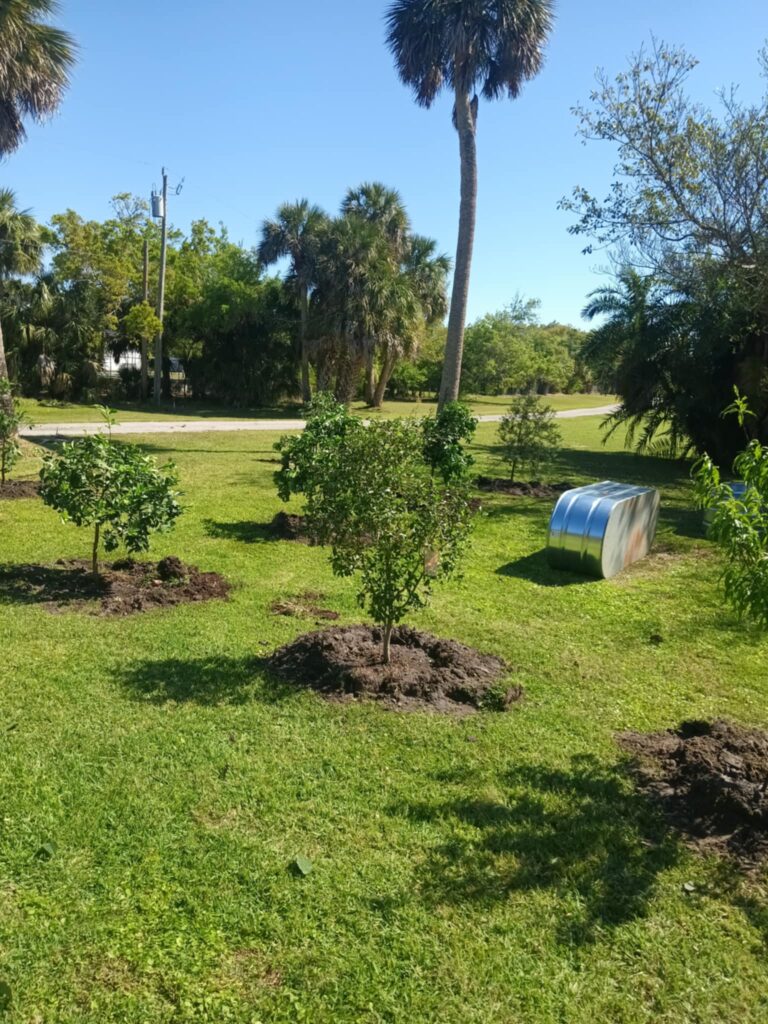
Pruning keeps a passion fruit vine on a backyard trellis productive and under control. The vine grows so quickly that it will smother itself within a season without a yearly trim. The best time to prune in Central Florida is early spring, just before the big flush of new growth. Cut back the previous season’s stems to strong buds, leaving a sturdy framework anchored on the trellis. This removes old, tired wood and opens room for the fresh growth that actually bears fruit. Always use clean, sharp shears to make smooth cuts and avoid spreading disease between stems. A well pruned vine flowers more freely and produces larger, fuller fruit.
Light pruning through the growing season keeps the trellis tidy and the air moving. Trim away any stems that hang to the ground or wander far past the edge of the frame. Thin out crowded growth in the center so sunlight reaches the inner leaves and developing fruit. Remove dead or damaged shoots as soon as you spot them to keep the vine healthy. Avoid heavy cutting in the middle of summer, since it can shock the plant during peak heat. A few thoughtful snips here and there beat one drastic chop later on. Good air flow from regular thinning also cuts down on fungal trouble during humid stretches.
Pruning also helps you manage the natural lifespan of a backyard passion fruit vine. These vines stay most productive for about five to seven years before their output starts to drop. A yearly trim keeps an older vine fruiting longer and far easier to manage. When a vine finally slows down, you can plant a fresh one nearby and train it up the same trellis. Stagger new plantings every few years so you always have a vine in its prime season. Clear out the spent vine once the replacement has taken firm hold of the frame. This simple rotation keeps fresh fruit coming to your table year after year.
Protecting Trellised Passion Fruit Vines From Pests
Pest control protects the leaves and fruit of a trellised passion fruit vine. Caterpillars are the most common visitor, since the Gulf fritillary butterfly lays its eggs on passion vine leaves. The larvae can strip foliage quickly, though a healthy, vigorous vine usually bounces right back. Many Florida gardeners leave a few caterpillars alone, because the resulting butterflies are welcome pollinators in the garden. Hand pick them off if the damage gets heavy, or relocate them to a sacrificial vine. Aphids and spider mites also turn up, especially on plants already stressed by drought or heat. Check the undersides of the leaves each week so you catch any trouble early.
A few simple steps keep most pests in check without reaching for harsh chemicals. A strong spray of water from the hose knocks aphids and mites right off the leaves. Insecticidal soap or neem oil handles larger outbreaks and stays gentle on pollinators when applied in the evening. Keep the area around the trellis free of weeds that shelter insects close to the vine. Healthy, well fed vines resist pests far better than stressed ones, so good care is your first line of defense. Encourage ladybugs and other helpful bugs that feed hungrily on aphids. Avoid broad sprays during flowering so you protect the bees that set your fruit.
Disease prevention rounds out the job of protecting trellised passion fruit vines. Good air flow from a well spaced trellis lowers the risk of leaf spot and other fungal issues common in humid Florida. Water at the base of the plant rather than overhead to keep the leaves dry and clean. Remove fallen leaves and old fruit from the ground, since both can harbor problems near the roots. Root rot follows poor drainage, so the location and soil work you did at the start pays off here. Nematodes in sandy soil can weaken the roots, and rotating to a fresh planting spot helps over time. A vine grown with full sun, steady air flow, and good drainage rarely runs into serious trouble.
Why You Should Plant Passion Fruit Vines for Your Backyard Trellis
A passion fruit vine turns a plain trellis into a productive, living feature of your yard. The fast growth gives you shade and privacy within a single warm season. The flowers are striking and intricate, and the fruit brings a bright, tart flavor straight from your own backyard. Central Florida’s climate suits passion fruit perfectly, so the plant rewards a little effort with a generous crop. Paul’s Nursery helps local homeowners pick the right vine and start it off the right way.
The Rewards of Growing Passion Fruit Vines on a Trellis
Growing passion fruit on a trellis pays off in more ways than one. You get fresh fruit for juice, desserts, and snacks just steps from your back door. The vine doubles as a natural privacy screen along a fence or property line. Homegrown fruit costs far less than store bought and tastes better when picked fully ripe. A single healthy vine can produce dozens of fruit across the warm season.
The vine also adds real beauty and life to your outdoor space. Passion fruit flowers are large and detailed, and they draw bees and butterflies to the whole yard. An arbor covered in vine creates cool, dappled shade for a patio or seating area. Children love watching the flowers open and the green fruit form over the weeks. Few backyard plants offer this rich mix of food, shade, and color at once.
A trellised vine is also a smart, practical use of vertical space. Small yards benefit the most, because the vine grows up the frame instead of sprawling out. You can tuck a trellis along a fence, wall, or empty corner that would otherwise sit unused. The harvest hangs at a comfortable height with no bending or climbing ladders. For homeowners who want plenty of fruit from a small footprint, passion fruit is hard to beat.

When to Plant Passion Fruit Vines for Your Backyard Trellis
Timing your planting helps a passion fruit vine settle in and thrive. In Central Florida, spring and early summer are the best windows to get a vine in the ground. Warm soil and long days push fast root and shoot growth right from the start. A vine planted now has months of warm weather to climb and establish before fall. Avoid planting during the cool months, when growth slows and roots take much longer to settle.
Planting at the right time also lines the vine up for its first fruit. A spring or summer planting often flowers later that same year. The vine spends the warm season building the framework that will carry next year’s crop. Get it in the ground early and you shorten the wait for that first satisfying harvest. A strong start now sets up years of steady fruiting ahead.
The current season is a prime time to plant across our service area. Towns like Clermont, Groveland, Winter Garden, and The Villages all share the warm climate passion fruit loves. Local soil and weather suit the vine, so a summer start delivers quick results. Pair the planting with a sturdy trellis and the vine takes off fast. Want a vine in the ground this season? Click here to browse our full selection of fruit trees and vines.
Why Choose Paul’s Nursery for Your Passion Fruit Vines
Paul’s Nursery brings more than a century of family growing tradition to every plant we sell. We have served Central Florida families for over 125 years, and that long experience shows in our healthy stock. Our team gives honest recommendations based on your yard, your goals, and our local climate. We grow trees and vines suited to local soil and weather, so they take off faster once planted. You walk away with a strong, well rooted passion fruit vine ready for your trellis.
We do far more than hand you a plant and send you on your way. Our nursery offers free estimates for delivery and planting, so you can start your vine the right way. We help you choose between purple and yellow passion fruit based on your taste and available space. Our staff explains trellis setup, care, and timing so you feel confident from day one. That kind of guidance is part of why local homeowners trust us with their backyard orchards.
Choosing Paul’s Nursery means working with people who care about your success in the garden. We are family owned and rooted in the Groveland community, and we treat every customer like a neighbor. Visit us at 13844 Equestrian Dr in Groveland to see our passion fruit vines in person. Our team will help you pick the right vine and plan a trellis that fits your yard. Call us today at (352) 536-4893 to get started on your backyard passion fruit harvest.