How Much Water Young Fruit Trees Really Need During the Rainy Season
Central Florida summers bring heavy afternoon storms, and many homeowners assume those storms handle every watering need for a new tree. The truth is more complicated, because young fruit trees have small root systems that sit close to the surface. Sandy soil across Groveland, Clermont, and the surrounding areas drains fast, so water can disappear long before deep roots ever form. Rain that floods your yard in the afternoon may leave the root zone dry again within a day or two. Too much standing water creates a different problem, since soggy roots quickly invite rot and fungus. Getting the balance right protects your investment and sets the tree up for years of strong fruit production. This guide explains exactly how much water young fruit trees really need once the rainy season arrives. It also covers the warning signs to watch for and the simple habits that keep your trees healthy.
How Much Water Young Fruit Trees Need During the Florida Rainy Season
Young fruit trees planted within the last year or two are still building the wide, deep root network that mature trees rely on. During this stage, consistent soil moisture matters far more than the total amount of rain that falls on your property. A general target for most young fruit trees is one to two inches of water per week, and that figure includes rainfall. The Florida rainy season can easily deliver that much in a single storm, then leave several dry days behind it. This uneven pattern is why you cannot simply stop watering once the storms begin. Instead, you adjust your schedule based on what the soil tells you, not what the sky looks like. The goal is steady moisture in the top several inches of soil, never bone dry and never swampy. Understanding this balance is the foundation for everything else in this guide.
How the Florida Rainy Season Changes Water Needs for Young Fruit Trees
The Florida rainy season usually runs from June into September, bringing daily or near daily thunderstorms across Central Florida. These storms can be intense, dropping an inch or more of rain in less than an hour. For an established tree with deep roots, that volume soaks in and supports the plant for days. A young fruit tree cannot tap into that deep moisture yet, because its roots remain shallow and limited. Much of the heavy rain runs off the surface or drains past the small root ball before the tree can use it. This means a young tree can sit in a yard that looks well watered while its actual root zone dries out. The rainy season changes the timing of your watering far more than it changes the total need. You shift from a fixed schedule toward checking the soil and responding to real conditions.
Sandy soil is the second reason the rainy season behaves differently than many new growers expect. The well drained sand common around Groveland and Clermont moves water through quickly, which is helpful for preventing root rot. That same quick drainage works against you when rain comes in short bursts followed by hot, dry afternoons. A heavy storm can saturate the soil, then evaporation and drainage can pull that moisture away within a day. Clay heavy soils hold water longer, but most local properties do not have that kind of soil. As a result, young fruit trees in Central Florida often need supplemental water even during a rainy week. The key is to watch the gaps between storms rather than the storms themselves. A three day dry stretch in July can stress a young tree just as much as one in April.
Temperature plays a major role during the rainy season as well, because summer heat drives rapid water loss. High humidity slows evaporation somewhat, yet the intense sun and warm soil still pull moisture from young roots. New trees also lose water through their leaves at a faster rate when temperatures climb into the nineties. This combination of shallow roots, fast draining sand, and high heat creates a demanding environment. A young fruit tree is working hard to grow new roots and new leaves at the same time. Any interruption in moisture during that push can slow growth or cause leaf drop. Browse our full selection of healthy, locally grown trees and find the right fit for your yard; click here to explore our fruit trees for sale. Starting with a strong, well cared for tree makes the entire rainy season far easier to manage.
Signs Your Young Fruit Trees Are Getting Too Much Water During the Rainy Season
Overwatering is one of the most common and most damaging mistakes during the Florida rainy season. The first sign is often yellowing leaves that appear across the whole tree rather than in one spot. These yellow leaves may feel soft or limp, which separates them from the crisp yellowing caused by dry conditions. You might also notice leaves dropping even though the tree gets plenty of rain and sun. The soil around the base may stay wet and muddy for days after a storm passes. A sour or musty smell near the root zone is a serious warning that roots are beginning to rot. When roots sit in standing water, they cannot take in oxygen, and they slowly suffocate. Catching these signs early gives you time to improve drainage before the damage becomes permanent.
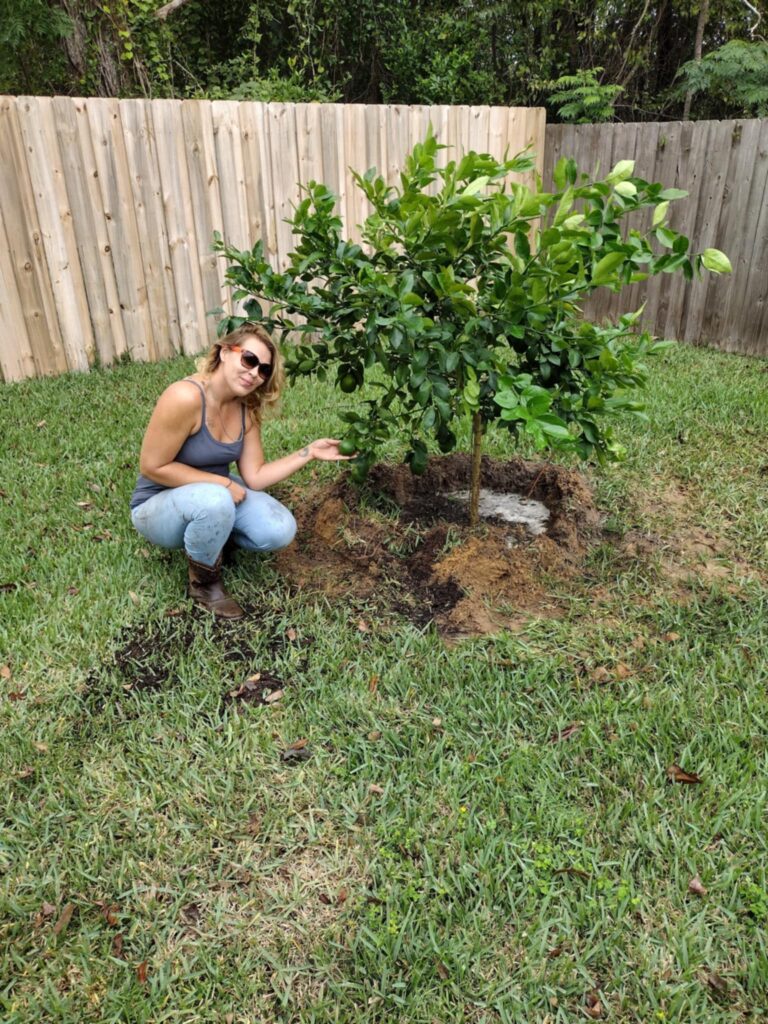
Standing water is the clearest physical sign that a young fruit tree is getting too much water. If puddles remain in the planting hole or around the trunk for more than a few hours, drainage needs attention. Trees planted in low spots in the yard collect runoff from the surrounding area during every storm. That extra water sits in the root zone long after the rain stops, which keeps the soil saturated. Fungus and mold growing on the soil surface or on the lower trunk also point to excess moisture. Root rot caused by overwatering is often harder to reverse than damage from underwatering. By the time the leaves wilt from rot, much of the root system may already be lost. This is why proper site selection and drainage matter so much before the rainy season begins.
Fixing an overwatered young tree starts with reducing or stopping any supplemental irrigation right away. Let the natural rainfall handle the moisture while the soil has a chance to dry between storms. If the tree sits in a low or poorly draining spot, you may need to improve the soil or relocate it. Adding coarse organic matter or planting on a slight mound can help water move away from the roots. Pull any mulch back a few inches from the trunk, since mulch piled against the bark traps moisture. Avoid the temptation to add fertilizer to a struggling tree, because stressed roots cannot use it well. Patience is important here, as a recovering root system needs time and consistent conditions to rebuild. If you are unsure about your soil or drainage, our team is glad to walk you through the right setup.
Signs Your Young Fruit Trees Need More Water Even During the Rainy Season
Underwatering during the rainy season surprises many homeowners, yet it happens often in fast draining sandy soil. The first clue is leaves that wilt or curl during the hottest part of the day. Dry stress usually shows up as crisp, brown leaf edges rather than the soft yellowing of overwatering. New growth may slow or stop entirely, and the tree can look tired even after a recent storm. The soil a few inches down feels dry and loose instead of cool and slightly damp. Young trees may also drop fruit early when they cannot pull enough water to support it. These symptoms can appear within just two or three dry days following a heavy rain. Recognizing dry stress quickly lets you water before the tree suffers lasting harm.
The gap between storms is the most common cause of dry stress during the rainy season. A yard can receive two inches of rain on Monday, then sit under clear, hot skies through Thursday. During those dry days, the shallow roots of a young tree run out of accessible moisture fast. Trees planted on slopes or sandy ridges drain even faster and dry out sooner than those in level beds. Container grown trees recently moved into the ground are especially prone to drying because their root balls are small. The original potting soil can dry out and resist soaking up water, which leaves the roots thirsty. Checking the soil by hand every couple of days during dry stretches prevents this hidden stress. A young fruit tree rarely complains until it is already struggling, so regular checks pay off.
When a young tree shows dry stress, deep and slow watering is the best response. A quick splash from a hose wets only the surface and does little for the deeper roots. Instead, let water trickle slowly at the base so it soaks down into the full root zone. This deeper watering encourages roots to grow downward, which builds drought resistance over time. Aim to moisten the soil to a depth of about a foot, then let it dry slightly before watering again. A layer of mulch around the tree helps hold that moisture in place between storms and waterings. Ready to add a tropical favorite to your yard this season; click here to view our mango trees. The right variety planted with good habits will reward you with healthy growth and steady fruit.
How to Water Young Fruit Trees Correctly During the Rainy Season
Knowing how much water young fruit trees need is only half the picture; the method matters just as much. During the rainy season, your watering routine should work with the storms instead of against them. The core idea is simple, even if the timing takes a little practice. You check the soil, water deeply only when it is needed, and protect the root zone with mulch and good drainage. These three habits cover almost every situation a young tree faces between June and September. They also reduce the guesswork that leads to both overwatering and underwatering. The sections below break down each step so you can apply them in your own yard. None of this requires special tools, just a little attention and consistency.
A Simple Soil Check Before You Water Young Fruit Trees in the Rainy Season
The single most useful habit during the rainy season is checking the soil before you ever turn on the hose. Push your finger or a small trowel into the soil about three to four inches deep near the root zone. If that soil feels cool and slightly moist, the tree has enough water and needs nothing more. If it feels dry and crumbly at that depth, it is time to water deeply. This quick test takes only a few seconds and removes nearly all the guesswork. It works far better than judging by the surface, which dries out long before the deeper soil does. The surface can look bone dry an hour after a storm while the root zone stays perfectly moist. Trusting the soil rather than the sky is the heart of good rainy season watering.
A soil check is especially important right after a big storm passes through your area. It is tempting to assume the rain handled everything, but the actual moisture varies a great deal by location. Trees under wide eaves, large canopies, or covered patios may receive far less rain than the open yard. Slopes and raised beds shed water quickly, leaving the root zone drier than a flat planting area. By testing the soil, you learn how your specific yard responds to each storm. Over a few weeks you will start to recognize patterns and predict when supplemental water is needed. This knowledge makes your watering both faster and more accurate as the season goes on. A simple soil check turns watering from a guess into a reliable routine.
You can also use inexpensive tools to make the soil check even easier if you prefer. A basic soil moisture meter pushed into the root zone gives a quick reading without any digging. A long screwdriver works well too, since it slides easily through moist soil and resists dry, compacted ground. The method you choose does not matter much, because the goal stays the same, which is knowing the moisture at the root level. Check the soil every two to three days during dry stretches and less often during steady rain. Make the check part of your normal walk through the yard so it becomes second nature. Consistent checking is the best protection against both of the major watering mistakes. It keeps your young fruit trees in the steady, balanced moisture they need to thrive.

The Right Way to Deep Water Young Fruit Trees During the Rainy Season
When the soil check shows dry conditions, deep watering is the correct way to respond. Deep watering means applying water slowly so it soaks well below the surface into the full root zone. The best approach is a slow trickle from a hose laid at the base of the tree. Let it run gently for several minutes until the soil is moist to a depth of about twelve inches. This slow soak reaches the roots that matter and avoids the runoff caused by fast, heavy watering. Deep watering also trains roots to grow downward in search of moisture, which builds a stronger tree. Shallow, frequent sprinkling does the opposite, keeping roots near the surface where they dry out fast. One deep watering is worth far more than several light ones for a young fruit tree.
Timing your deep watering also improves the results during the hot rainy season. Early morning is the best window, because the soil can absorb water before the midday heat arrives. Watering in the morning also lets the foliage dry through the day, which reduces fungal problems. Avoid watering in the late evening, since wet leaves and soil overnight invite mold and disease. Try to water at the base rather than over the canopy to keep the leaves dry. Wetting the trunk and leaves repeatedly can encourage rot and fungus in the humid summer air. Direct the water where the tree actually uses it, which is the soil above the roots. Good timing and placement make every deep watering more effective and safer for the tree.
The amount of water a young tree needs in one deep session depends on its size and age. A tree in its first year generally needs a few gallons per watering to soak the small root ball. As the tree grows through its second year, the root zone widens and needs a larger soak. The key is to water the area around the root ball, not just the trunk itself. Spread the water out to cover the soil where the roots are actively growing outward. After watering, wait and let the soil dry slightly before the next deep session. This cycle of soak and slight dry down mimics natural conditions and keeps roots healthy. Matching the water to the tree and the weather keeps growth steady all season long.
Using Mulch and Drainage to Protect Young Fruit Trees in the Rainy Season
Mulch is one of the most powerful tools for managing moisture around young fruit trees. A two to three inch layer of mulch over the root zone holds moisture in the soil between storms and waterings. It slows evaporation during hot afternoons and keeps the root zone cooler and more stable. Mulch also suppresses weeds that would otherwise compete with the young tree for water. Use a natural material such as wood chips, bark, or pine straw for the best results. Spread it in a wide ring around the tree, extending out toward the edge of the canopy. This wide ring protects the entire active root zone rather than just the area near the trunk. A good mulch layer steadies moisture and reduces how often you need to water during dry gaps.
Proper mulching also requires one important rule, which is to keep the mulch away from the trunk. Piling mulch against the bark traps moisture and creates a perfect home for rot and pests. Leave a few inches of clear space between the mulch ring and the trunk itself. This small gap lets the base of the tree breathe and stay dry during the wet season. The shape you want is a flat ring or shallow donut, never a tall volcano of mulch. Refresh the mulch as it breaks down, since it thins out over a single Florida summer. Well placed mulch supports the tree without inviting the very problems that overwatering causes. This simple practice protects your young fruit trees through the heaviest storms of the season.
Drainage is the final piece of protecting young fruit trees during the rainy season. Before planting, choose a spot that does not collect standing water after a heavy storm. If your yard has low areas, plant on a slight mound to lift the root ball above the wettest soil. Mixing coarse organic matter into the planting hole helps water move through rather than pool around the roots. Good drainage prevents the soggy conditions that lead to root rot during the wettest weeks. It also lets you water with confidence, knowing excess moisture will drain away on its own. The right spot makes all the difference, so take time to study how water moves across your yard. Pairing the right variety with good drainage and mulch sets your young trees up for lasting success.
Why You Should Plant and Water Young Fruit Trees the Right Way This Rainy Season
The rainy season is one of the best times of year to establish young fruit trees in Central Florida. Warm soil and frequent rain encourage rapid root growth, giving new trees a strong start. The same conditions can work against you when watering and drainage are not handled carefully. Getting the basics right now means healthier trees and far less stress through the rest of the year. It also protects the money and effort you put into your backyard orchard. A little knowledge and the right starting trees make all the difference this season.
The Long Term Payoff of Watering Young Fruit Trees Correctly During the Rainy Season
The habits you build during the first rainy season shape your tree for many years to come. A young tree that receives steady, balanced moisture develops a deep, healthy root system. That strong root system supports faster growth, better fruit, and greater resistance to drought and storms. Trees that survive the early years in good shape become low maintenance producers down the road. The small effort you invest now pays off every single season afterward. Watering correctly during the rainy season is one of the best long term gifts you can give your orchard.
Correct watering also reduces the risk of the diseases that plague poorly managed young trees. Root rot, fungal infections, and pest problems often trace back to too much or too little moisture. A tree kept in balanced conditions is far better equipped to fight off these threats. Healthy trees also need less fertilizer and fewer interventions over their lifetime. This means less work for you and a more reliable harvest year after year. The payoff of good early care shows up in both the health of the tree and the quality of the fruit.
Starting with a strong, well grown tree makes every one of these benefits easier to reach. A healthy young tree from a trusted nursery already has a solid root system and good structure. That head start means it handles the rainy season better and establishes faster in your yard. Poor quality trees often arrive stressed and struggle no matter how carefully you water them. Choosing quality at the start saves you frustration and protects your long term investment. The right tree paired with the right care is the surest path to a thriving backyard orchard.
How Paul’s Nursery Helps You Water and Plant Young Fruit Trees the Right Way
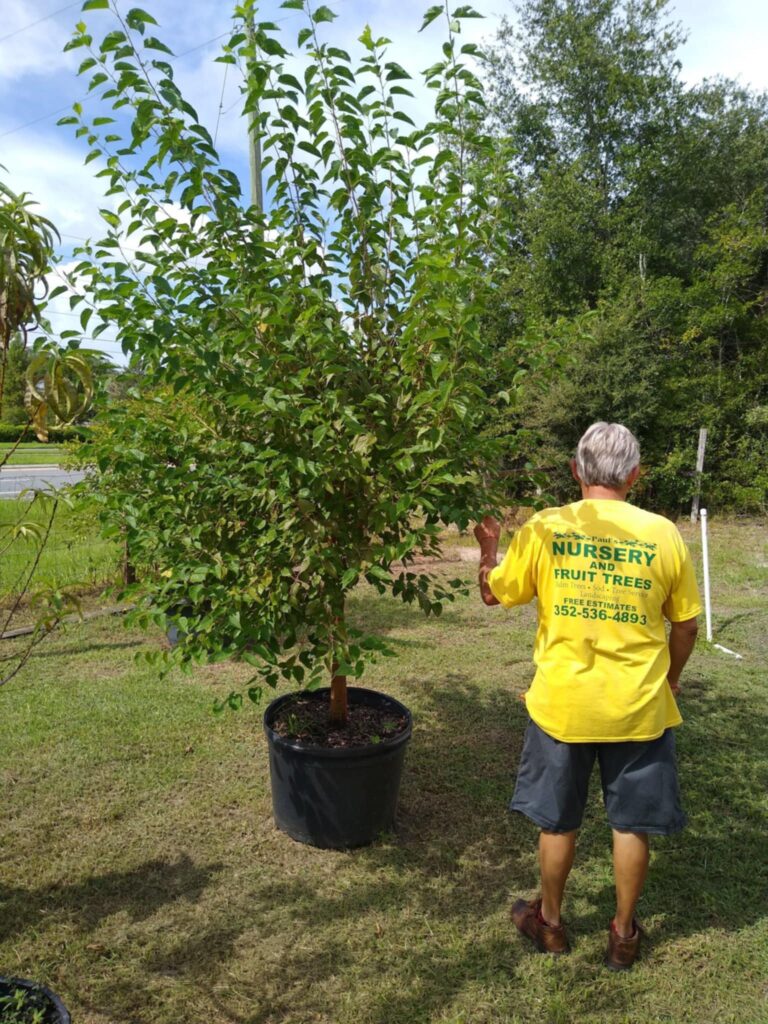
Paul’s Nursery has helped Central Florida homeowners grow healthy fruit trees for over a century of family tradition. We grow trees suited to the local soil, heat, and rainy season conditions you actually face. Our team offers honest recommendations based on your specific yard, not a one size fits all sales pitch. We can guide you toward varieties that handle the wet summers and sandy soil of the region. That local knowledge takes much of the guesswork out of planting and watering. We want your trees to thrive long after they leave our nursery.
We also offer free estimates for delivery and planting to make the process simple. Our planting service ensures each tree goes into the ground at the correct depth with proper drainage. Correct planting from the start prevents many of the watering problems that show up later. We can advise on mulch, spacing, and site selection tailored to your property. This support helps you avoid the common mistakes that stress young trees during the rainy season. Want delivery and planting handled for you; click here to explore our full selection of fruit trees for sale.
Beyond the sale, we are happy to answer your questions as your trees grow. We serve Clermont, Winter Garden, The Villages, Groveland, and many nearby communities across Central Florida. Our family business cares about long term relationships, not just a single transaction. When you have a watering or care question, you can reach out and get a straight answer. That ongoing support gives new growers real confidence through their first seasons. We treat your backyard orchard as if it were our own.
Why Choose Paul’s Nursery for Your Young Fruit Trees
Paul’s Nursery brings more than one hundred and twenty five years of family nursery tradition to every customer. That experience means we know exactly which trees succeed in Central Florida yards. We focus on healthy, locally grown trees rather than mass produced stock trucked in from far away. Every tree is cared for by people who understand the local climate and soil. This attention to quality shows in the strength and health of the trees you take home. Our reputation rests on the success of the orchards we help our neighbors create.
We pride ourselves on honest recommendations that put your success ahead of a quick sale. If a variety is wrong for your yard, we will tell you and suggest a better option. This straightforward approach has earned the trust of homeowners throughout the region. We take our ethos seriously, because your trust is the foundation of our family business. You can count on clear advice about watering, planting, and long term care. That honesty is a big part of why customers return to us year after year.
Choosing Paul’s Nursery means partnering with a team that wants your fruit trees to thrive for decades. We are ready to help you select, deliver, plant, and care for the right trees this rainy season. From citrus and mango to avocado and other tropical favorites, we offer a wide range of healthy trees. Stop by our nursery at 13844 Equestrian Dr in Groveland, or give us a call at (352) 536-4893 to get started. Our friendly team is glad to answer your questions and point you toward the perfect trees for your yard. Let us help you build a backyard orchard that produces fresh fruit for years to come.