A Beginners Guide to Growing Banana Trees in a Hot and Humid Climate
Banana trees are one of the easiest tropical plants to grow when the weather stays warm and the air holds plenty of moisture. Central Florida gives banana plants almost everything they want during the summer, with long days, steady heat, and frequent rain. Many people call them trees, but a banana plant is actually a large herb that grows from an underground corm. The tall green stalk you see is a pseudostem made of tightly wrapped leaf sheaths. This guide walks you through the basics so you can plant with confidence and avoid the common mistakes new growers make. You will learn where to place your plant, how to prepare the soil, and how to keep it healthy through the hottest months. Bananas reward steady care with fast growth, and a single plant can produce a heavy bunch within a year. By the end of this article, you will have a clear plan for starting your first banana plant in a hot and humid yard.
How to Plant Banana Trees in Hot and Humid Florida Weather
Planting banana trees in hot and humid Florida weather starts with good timing and the right location. Summer is the best window because the soil is warm and rainfall is frequent, which helps the roots establish quickly. A young banana plant needs full sun, plenty of water, and protection from strong wind that can shred its large leaves. The plant grows fast, so the spot you pick should give it room to spread and produce pups around its base. Soil quality matters just as much as sunlight, because bananas are heavy feeders that pull a lot of nutrients from the ground. Getting these basics right at planting time saves you from problems later in the season. The sections below break down each step so you can plant once and plant well.
Choosing the Right Spot to Plant Banana Trees in a Humid Climate
Choosing the right spot to plant banana trees in a humid climate begins with sunlight, since these plants want at least six hours of direct sun each day. A bright location near the south or east side of your home usually works well in Central Florida yards. Banana leaves are wide and thin, so they tear easily in gusty conditions, which means a sheltered corner is far better than an open, windy field. Placing the plant near a fence, wall, or cluster of other plants gives it a natural windbreak without blocking the sun. Avoid low spots where water pools after a storm, because standing water around the corm leads to rot. Keep the plant away from large trees that would compete for water and shade out the leaves. A little planning here pays off all summer long.
You should also think about how big the plant will get before you dig your first hole. Many banana varieties reach eight to twelve feet tall, and some grow even larger, so give them open space overhead and on all sides. The plant produces offshoots called pups, which means a single banana plant slowly becomes a small grove if you let it. Leave several feet of clearance from your house, driveway, and septic lines so the roots and pups have room. Heat radiating off pavement and walls can stress young plants, so a spot with some airflow keeps the leaves cooler. If you want a screen of greenery, a row of bananas along a property line can fill the space quickly. Mapping out the location before planting helps you avoid moving a heavy, established plant later.
Drainage is the final piece of choosing a good location in a humid climate. Bananas love water, yet they hate sitting in soggy ground for long stretches, and Florida summers deliver heavy afternoon downpours. A gently raised bed or a natural slope lets excess rain drain away from the corm while still keeping the roots moist. If your yard has heavy clay or compacted soil, the planting site needs extra work before you put a plant in the ground. Test the spot by digging a small hole and filling it with water to see how fast it drains. Water that lingers for hours signals a drainage problem you should fix first. Picking a site that balances moisture and drainage sets your banana plant up for strong, steady growth.

Soil Preparation for Planting Banana Trees in Hot Weather
Soil preparation for planting banana trees in hot weather centers on building rich, loose ground that holds moisture and feeds the roots. Bananas thrive in soil packed with organic matter, so mixing in compost, aged manure, or rotted leaves gives them a strong start. Sandy Florida soil drains fast but holds few nutrients, which means adding organic material is one of the most important steps you can take. Work the amendments into the top twelve to eighteen inches of soil so the roots can spread through enriched ground. A slightly acidic to neutral soil pH, roughly in the range of five and a half to seven, suits bananas well. You can test your soil with an inexpensive kit before you plant. Good soil prep now reduces how much you need to feed and water later.
The planting hole itself should be wide rather than deep, because banana roots grow outward more than down. Dig a hole about twice as wide as the root ball and only deep enough to set the corm at the same level it sat before. Loosen the soil at the bottom and sides so tender new roots can push through easily. Backfill with your enriched soil mix, then firm it gently to remove large air pockets without packing it tight. Water the plant deeply right after planting to settle the soil and hydrate the roots. A thorough first watering helps the plant recover from transplant shock in the summer heat. Setting the corm at the correct depth prevents both rot and weak, exposed roots.
Mulch is the finishing touch for soil preparation in hot weather, and it does several jobs at once. A thick layer of mulch, around three to four inches, locks moisture into the soil during dry stretches between rains. Mulch also keeps the soil cooler, which protects shallow roots from the punishing summer sun. As the mulch breaks down, it feeds the soil with more organic matter and supports the helpful microbes that bananas rely on. Keep the mulch a few inches away from the pseudostem so moisture does not collect against the stalk and cause rot. Refresh the mulch through the season as it decomposes and thins out. This simple step cuts your watering chores and keeps the root zone healthy. Ready to start your own backyard orchard? Click here to view our banana trees for sale.
Spacing and Timing When You Plant Banana Trees in Humid Conditions
Spacing and timing when you plant banana trees in humid conditions can make the difference between a thriving grove and a crowded, struggling clump. For a single specimen plant, give it at least eight to ten feet of open space on every side so it can grow and produce pups freely. If you are planting a row for fruit or for a privacy screen, space the plants about six to eight feet apart so air moves between them. Good airflow lowers the risk of fungal problems, which spread fast in warm, damp air. Crowded plants compete for light, water, and nutrients, and that competition slows everyone down. Mapping your spacing on paper before you dig helps you visualize the mature size. Proper spacing keeps each plant strong and easy to manage.
Timing your planting around the warm season gives bananas the head start they need. Late spring through early summer is ideal in Central Florida, because the soil has warmed and the rainy season supplies steady moisture. Planting during this window lets the corm establish a healthy root system before any cooler weather arrives months later. A plant that goes into the ground in the heat grows quickly and builds the strength it needs to push out fruit. Avoid planting late in the year, since young bananas are sensitive to cold and grow slowly when temperatures drop. The more growing time you give a new plant in warm weather, the better its first season goes. Timing is a free advantage, so use it.
You should also plan for the long term, because banana plants multiply on their own. Each pseudostem fruits one time and then dies back, while pups at the base take over to continue the cycle. To keep a tidy, productive plant, many growers keep one main stalk and one or two pups, then remove the rest. This practice channels energy into fruit rather than into a tangle of competing shoots. Spacing your original plants generously gives you room to manage these pups without crowding. Over a few seasons, one well placed banana plant supplies you with new plants to expand your garden or share with neighbors. Thinking ahead about spacing and renewal keeps your banana patch healthy for years.
How to Care for Banana Trees in a Hot and Humid Climate
How to care for banana trees in a hot and humid climate comes down to consistent water, regular feeding, and quick attention to pests. These plants grow at a remarkable pace during the summer, and that fast growth burns through nutrients and moisture. A banana plant with everything it needs can add a new leaf every week or so in peak season. Neglect any one of its needs and growth stalls, leaves yellow, and fruit production suffers. The good news is that banana care follows a simple, repeatable routine once you understand the basics. Humid Florida weather actually does much of the work for you by keeping the air moist and the soil warm. The sections below cover watering, feeding, and protecting your plant through the growing season.
Watering Banana Trees in Hot and Humid Florida Summers
Watering banana trees in hot and humid Florida summers requires balance, because these plants drink heavily yet dislike soggy roots. During the hottest weeks, a mature banana plant may need one to two inches of water each week from rain or irrigation combined. The wide leaves lose moisture fast in the heat, so the soil should stay consistently damp without turning into mud. Deep, infrequent watering beats light, daily sprinkling, since deep watering encourages roots to grow down and stay strong. Stick your finger a couple inches into the soil to check moisture before you water. If it feels dry below the surface, it is time to water thoroughly. This simple habit prevents both drought stress and overwatering.
Florida’s summer rains help a great deal, but you cannot rely on them alone. Some weeks bring daily downpours, while others turn dry and force you to step in with the hose. Pay attention to the forecast and adjust your watering so the soil never bakes hard or stays flooded. After a heavy storm, you usually can skip watering for a day or two while the soil drains. During a dry spell, you may need to water every few days to keep the leaves from wilting. Mulch makes this job easier by holding moisture in the root zone between waterings. Watching your plant and your weather together keeps the moisture level right.
The signs of watering trouble are easy to read once you know them. Leaves that turn yellow and droop while the soil stays wet point to overwatering and possible root stress. Leaves with brown, crispy edges and a plant that looks limp in the afternoon usually signal that it needs more water. Catching these signs early lets you adjust before the plant suffers lasting damage. Morning watering is best, because it gives the plant moisture for the hot day ahead and lets the leaves dry before evening. Consistent watering produces steady growth and full, healthy bunches of fruit. A little attention to moisture goes a long way with bananas. Want to explore more options for your yard? Click here to browse our full selection of fruit trees.
Fertilizing Banana Trees for Strong Growth in Humid Weather
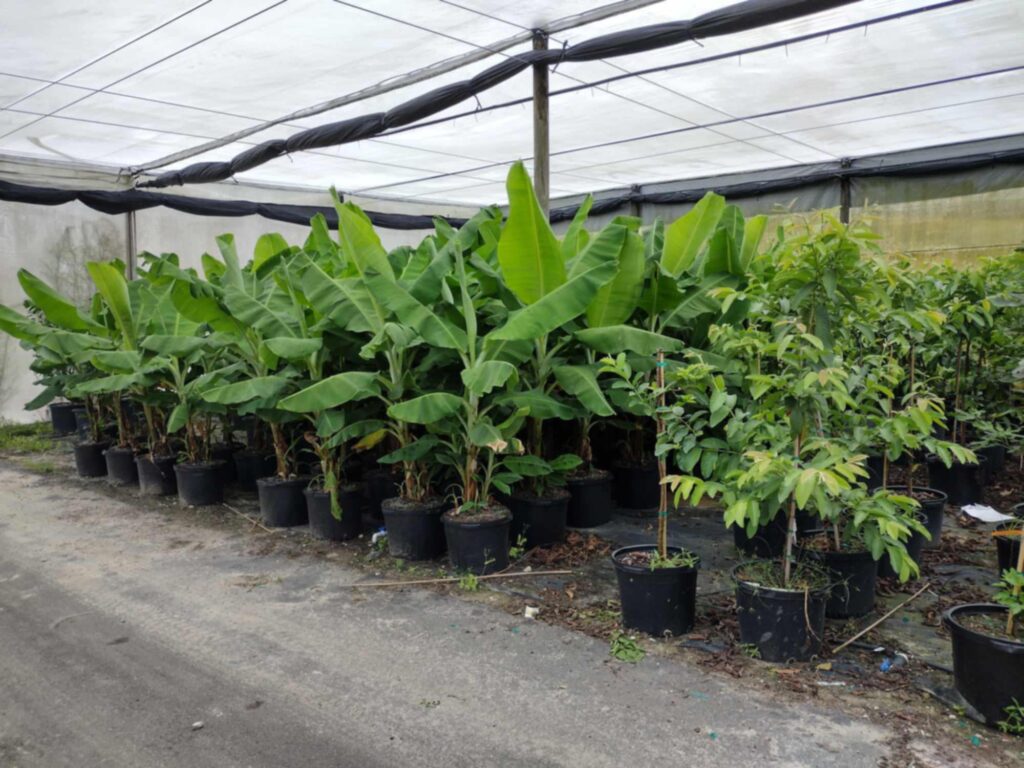
Fertilizing banana trees for strong growth in humid weather is essential, because few plants are hungrier than a banana. These plants pull large amounts of nutrients from the soil to fuel their rapid growth and heavy fruit. Potassium is especially important, since it drives flowering and fruit development, while nitrogen powers all those big green leaves. A balanced fertilizer with a strong potassium content suits bananas well throughout the growing season. Many growers feed their plants lightly every few weeks during the warm months rather than dumping a large dose all at once. Frequent, smaller feedings match the way bananas grow and reduce the risk of burning the roots. Steady feeding keeps the plant producing leaves and building toward fruit.
Organic options work beautifully for bananas and improve the soil at the same time. Compost, aged manure, and worm castings release nutrients slowly and feed the helpful soil life around the roots. Spreading compost around the base a few times during the season gives the plant a gentle, steady supply of food. Banana plants also appreciate the potassium found in materials like composted fruit scraps and certain wood ashes used sparingly. Combining organic matter with a measured amount of fertilizer often gives the best results. The humid climate speeds up decomposition, so organic feed breaks down and becomes available faster than in cooler regions. Building rich soil over time means you depend less on bagged products.
Timing and placement of fertilizer matter as much as the amount you use. Feed most heavily during the warm growing months when the plant is actively pushing out leaves and forming a flower stalk. Spread the fertilizer in a ring around the plant, a foot or so out from the pseudostem, where the feeder roots sit. Always water after feeding so the nutrients soak into the root zone rather than sitting on the surface. Watch the leaves for clues, since pale or yellowing foliage often means the plant wants more food. Stop heavy feeding as the cooler season approaches, because new tender growth is more vulnerable to cold. Smart fertilizing rewards you with vigorous plants and generous bunches of fruit.
Pruning and Pest Control for Banana Trees in a Humid Climate
Pruning and pest control for banana trees in a humid climate keep your plants tidy, productive, and free of disease. Pruning a banana plant mostly involves removing dead or damaged leaves and managing the pups around the base. Brown, broken leaves drag down the plant’s appearance and can harbor pests, so trimming them off keeps things clean. After a stalk fruits and dies, cut it down near the ground to make room for the next generation of pups. Choose one or two strong pups to keep and slice off the extras at soil level with a clean, sharp blade. This focused approach sends the plant’s energy into fruit rather than into crowded growth. Regular, light pruning is far easier than letting a clump become a tangled mess.
Pests do show up in warm, humid weather, so a watchful eye helps you catch problems early. Common banana pests include aphids, spider mites, and banana weevils, along with the occasional caterpillar chewing on leaves. Check the undersides of leaves and the base of the pseudostem during your regular waterings. A strong spray of water knocks many soft bodied pests off the plant, and insecticidal soap handles heavier infestations. Keeping the area around the base clear of decaying leaves removes hiding spots for weevils and other troublemakers. Healthy, well fed plants resist pests far better than stressed ones, so good care is your first line of defense. Acting quickly when you spot a problem stops a small issue from spreading.
Fungal diseases are the main concern in humid climates, because damp air encourages them to spread. Good spacing and airflow between plants reduce the moist, still conditions that fungi love. Avoid wetting the leaves late in the day, since foliage that stays wet overnight invites disease. Remove and dispose of any leaves showing dark spots or unusual streaks before the problem moves to healthy growth. Clean your pruning tools between plants so you do not carry disease from one to another. Mulch helps by keeping soil from splashing up onto the lower leaves during rain. A combination of airflow, cleanliness, and prompt removal of sick growth keeps fungal trouble to a minimum.
Why You Should Start Growing Banana Trees This Summer
Why you should start growing banana trees this summer comes down to timing, reward, and the simple joy of fresh fruit from your own yard. Summer is the ideal season to plant, and waiting only delays the harvest you could be enjoying within a year. Bananas grow faster than almost any fruit plant, which makes them a satisfying choice for first time growers. A single plant can transform a plain corner of your property into a lush, productive spot. With the right plant and a little guidance, success is well within reach for any homeowner. Paul’s Nursery is here to help you choose the variety that fits your space and your taste. The sections below explain the rewards and how we make the process easy.
The Rewards of Growing Banana Trees in Central Florida
The rewards of growing banana trees in Central Florida start with fresh fruit that tastes far better than anything from a store shelf. Homegrown bananas ripen on the plant and develop a richer flavor that supermarket fruit rarely matches. Beyond the fruit, the broad tropical leaves add a striking green backdrop to any yard. A row of bananas also creates a fast privacy screen that fills in within a single season. These plants give you a lot of beauty and food for a modest amount of effort.
Growing your own bananas also saves money over time, since one plant produces many bunches across the years. As the plant sends up pups, you gain free new plants to expand your garden or share with friends. The plant rewards beginners with quick, visible progress, which builds confidence for taking on other fruit plants. Watching a small plant grow into a towering, fruit bearing stalk is a genuine pleasure. Few backyard projects offer this much payoff this fast.
There is also real value in knowing exactly how your food is grown. You control what goes into the soil and onto the plant, which means cleaner fruit for your family. A backyard banana patch connects you to your food in a way that store shopping cannot. Children love watching the fruit form and ripen, and it makes a wonderful family project. The rewards reach well beyond the kitchen and into the everyday enjoyment of your home.
How Paul’s Nursery Helps You Grow Banana Trees Successfully
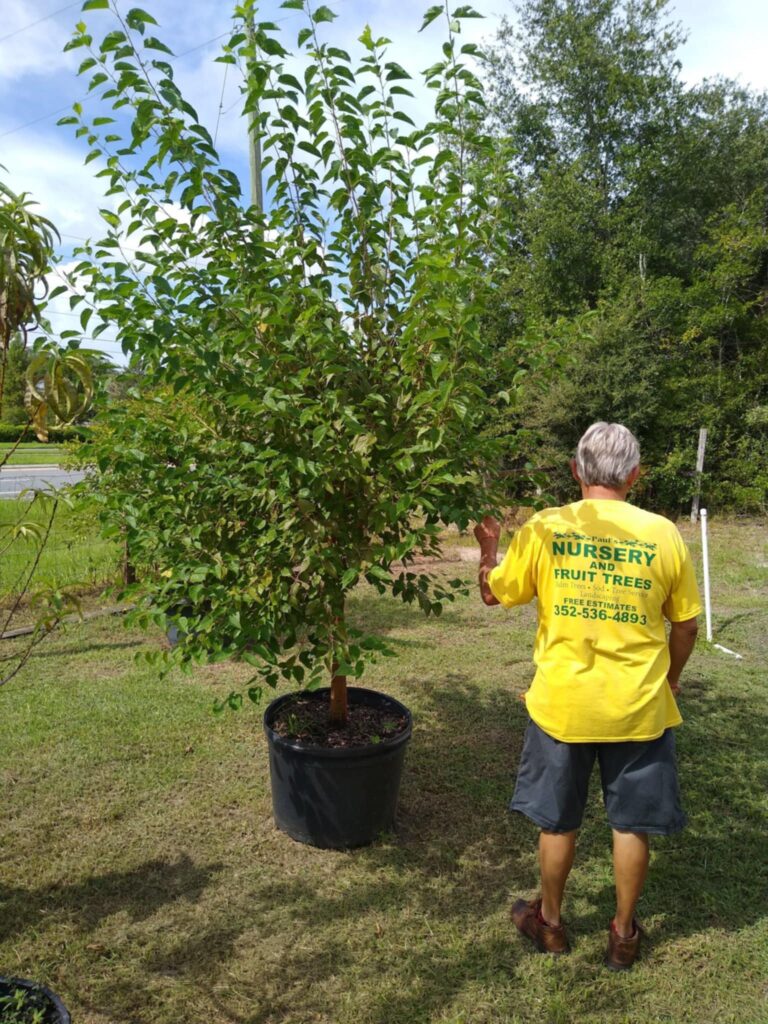
How Paul’s Nursery helps you grow banana trees successfully begins with healthy, well started plants suited to Central Florida conditions. We grow our stock with the local climate in mind, so the plants you take home are ready to thrive in your yard. Our team offers honest recommendations based on your space, your sun, and the kind of fruit you want. We would rather point you to the right plant than sell you one that will struggle.
We also share practical advice that takes the guesswork out of planting and care. Our staff can walk you through soil prep, spacing, watering, and feeding so you start with a clear plan. When you have questions later in the season, we are happy to help you troubleshoot. This kind of support makes a real difference for beginners who want their first plant to succeed.
Paul’s Nursery offers free estimates for delivery and planting, which removes the heavy lifting from your project. We can deliver your banana plant and get it in the ground properly so it gets off to the best possible start. This service is especially helpful for larger plants that are awkward to move alone. With our help, growing bananas becomes a simple, enjoyable project rather than a chore.
Why Choose Paul’s Nursery for Your Banana Trees
Why choose Paul’s Nursery for your banana trees comes down to experience, honesty, and a real focus on your success. Our family brings more than 125 years of nursery tradition to every plant we grow and sell. That long history means we understand exactly what fruit plants need to flourish in Central Florida. When you buy from us, you gain a partner who genuinely cares about your results.
We serve homeowners across Clermont, Winter Garden, The Villages, and the surrounding communities with healthy fruit plants and friendly service. Our location at 13844 Equestrian Dr in Groveland makes us easy to reach for folks throughout the region. We treat every customer like a neighbor, because many of them are. Honest recommendations and quality plants have built our reputation one happy gardener at a time.
Starting your banana growing journey is easy, and we are ready to help you take the first step this summer. Browse our banana trees for sale and let us match you with the right plant for your yard. Give us a call at (352) 536-4893 to ask questions, set up delivery, or schedule planting. Our team looks forward to helping you build a backyard orchard you will enjoy for years to come.