How to Keep Your Avocado Tree Thriving Through the Summer Heat
Avocado trees love warmth, but Central Florida summers test them with intense sun, high humidity, and heavy afternoon storms. A healthy avocado tree can deliver shade, beauty, and rich fruit for decades when you protect it during the hottest months of the year. Summer is the main growing season in our region, so your tree wants steady moisture, cool roots, and shelter from scorching afternoon rays. Young trees feel the stress first because their roots sit close to the surface and dry out quickly in sandy soil. Established trees handle heat far better, yet even mature avocados benefit from smart watering and shade management when temperatures climb into the nineties. Many homeowners across Clermont, Winter Garden, and The Villages plant avocados and then wonder why the leaves curl or the fruit drops in July. The good news is that summer care follows a simple, repeatable routine that almost anyone can master. This guide walks you through watering, soil care, sun protection, feeding, and pest control in plain language. Follow these steps closely and your avocado tree will stay strong through the hottest stretch of the Florida calendar. With the right habits, you set your tree up for years of productive, healthy growth.
Watering and Soil Care That Keeps Your Avocado Tree Thriving in Summer Heat
Water and soil work together to decide how well your avocado tree handles the summer heat. Avocados want consistent moisture, yet they hate sitting in soggy ground for long stretches, which makes drainage just as important as irrigation. Central Florida soil drains fast and holds few nutrients, so your watering routine has to account for that quick runoff. Heavy summer rains add another layer of complexity, since a week of storms can flood roots while a sudden dry spell can leave them parched. Getting the balance right protects your tree from both drought stress and root disease. The sections below break down deep watering, drainage, and mulching so you know exactly what your avocado tree needs. Master these three areas and you remove the most common causes of summer decline.
Deep Watering Habits That Help Your Avocado Tree Survive Summer Heat
Deep watering trains your avocado tree to grow strong roots that reach down where the soil stays cooler and damper during a Florida summer. Instead of sprinkling the surface every day, soak the root zone thoroughly two or three times each week when rain is scarce. A long, slow soak pushes moisture deep into the ground and encourages roots to follow it down, which builds a tree that resists drought. Shallow daily watering does the opposite; it keeps roots near the hot surface where they bake and dry out fast. Water early in the morning so the tree drinks before the sun pulls moisture away through evaporation. Check the soil a few inches below the surface with your finger or a small trowel, and water only when it feels dry at that depth. For trees grown in containers or recently moved into the ground, expect to water more often, since pots and disturbed root balls dry out much quicker than settled soil.
Young avocado trees need extra attention during their first two summers because their root systems are still small and easily stressed. A newly planted tree may need water two to three times each week, and during a true heat wave with no rain it may need even more. Watch the leaves for early warning signs, since drooping, curling, or browning edges often point to a thirsty tree that needs a longer soak. Be careful not to confuse drought stress with the wilting caused by overwatering, because both can look similar from a distance. A simple soil check clears up the confusion every time and keeps you from guessing. As the tree matures and its roots spread wide, you can stretch out the time between waterings. Established avocados that have grown in place for several years can often handle short dry periods on their own once the rainy season takes over.
During the heart of the Florida rainy season, your watering job changes from adding moisture to monitoring it. Afternoon thunderstorms often deliver more than enough water, and adding irrigation on top of heavy rain can drown the roots and invite disease. Pay attention to how much rain falls each week, and skip your normal watering when storms have already saturated the ground. After a long stretch of daily downpours, let the soil drain and dry slightly before you water again. Keep an eye on low spots in your yard where water tends to pool, because avocados planted there suffer most during the wet months. A rain gauge or even a simple bucket helps you track how much moisture the sky is providing. Adjust your routine week by week, and your avocado tree will get the steady, balanced hydration it needs without ever sitting in a swamp.
Proper Drainage That Protects Your Avocado Tree From Summer Heat Stress
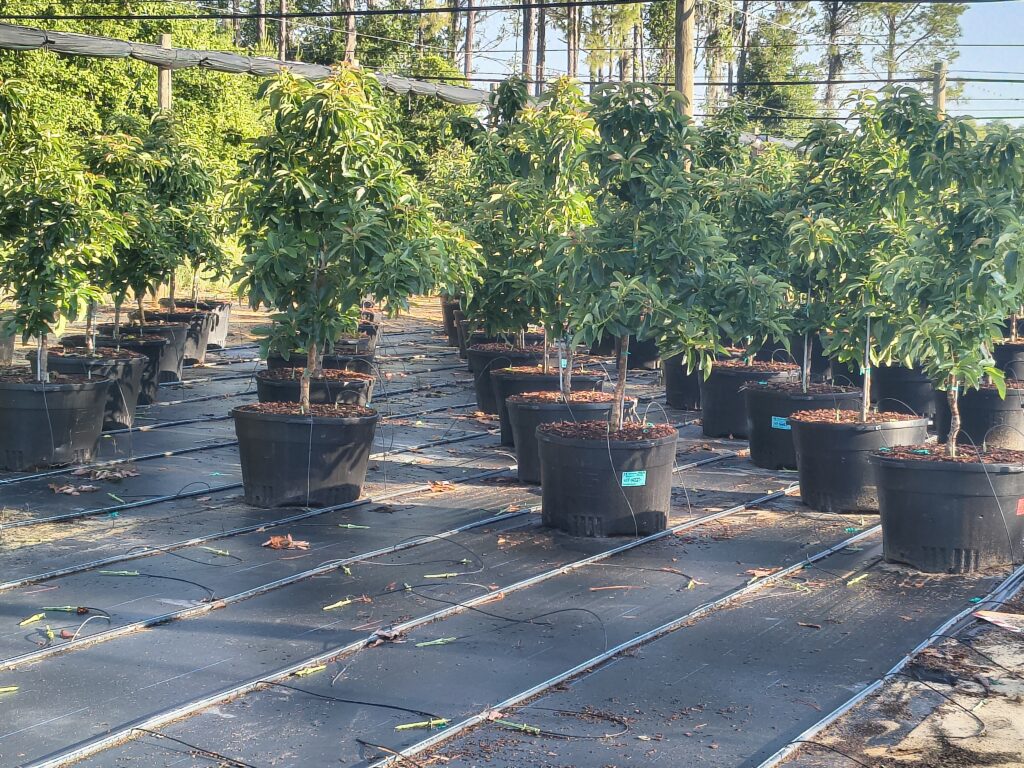
Proper drainage is the single most important factor in keeping your avocado tree healthy through a wet Central Florida summer. Avocados are highly sensitive to a soil disease called root rot, which thrives when roots stay waterlogged for too long during warm weather. The fungus that causes this rot loves the exact conditions our summers produce, with warm temperatures and standing water after storms. Once root rot takes hold, the tree struggles to absorb water and nutrients, and it slowly declines even while the ground stays wet. That is why an avocado in poorly drained soil often shows wilting leaves and dieback in the middle of the rainy season. Good drainage breaks this cycle by letting excess water move away from the roots quickly. Protecting the root zone from standing water is the best insurance against summer decline.
Planting on a raised mound is a proven technique for avocados in Florida, and it makes a real difference during the storm season. By setting the tree on a low rise of soil, you lift the crown of the root ball above the surrounding ground so water drains away instead of pooling around the trunk. This simple step keeps the most vulnerable part of the root system out of soggy conditions. If your tree is already in the ground in a low or flat area, you can build up the soil around it gradually to improve runoff. Avoid planting avocados in spots where water naturally collects, such as the bottom of a slope or a depression in the yard. Sandy soil already drains well in most parts of Central Florida, yet even sandy ground can flood during the heaviest summer rains. A mound gives your tree a head start no matter what the weather brings.
Learning to spot the warning signs of poor drainage early can save your avocado tree before the damage becomes permanent. Watch for leaves that wilt or yellow even though the soil feels wet, since that combination often points to roots in trouble rather than a tree in need of water. Branch dieback that starts at the tips and works inward is another red flag worth taking seriously. A sour smell near the base or soil that stays muddy for days after a storm both suggest drainage problems. If you notice these symptoms, ease back on any added watering and look for ways to move standing water away from the trunk. Acting quickly gives the roots a chance to recover and the tree a path back to health. Want to add a new avocado tree that is matched to your soil and site? Click here to see our avocado trees for sale.
Mulching Methods That Cool Your Avocado Tree During Summer Heat
Mulching is one of the easiest and most effective ways to help your avocado tree handle the punishing summer heat. A layer of organic mulch acts like a blanket over the soil, keeping the root zone cooler and slowing the loss of moisture during hot, dry afternoons. Avocados naturally grow with a thick layer of fallen leaves over their roots, so mulch simply recreates the conditions the tree prefers. Spread two to three inches of material such as wood chips, shredded bark, or aged compost in a wide ring around the tree. Extend the mulch out toward the edge of the canopy where most of the feeder roots live and do their work. This wide coverage protects far more of the root system than a small circle near the trunk. The result is a tree that stays hydrated longer and recovers faster between waterings.
The way you apply mulch matters just as much as the amount you use. Always keep the mulch pulled back several inches from the trunk so it does not pile directly against the bark. Mulch heaped against the trunk traps moisture there and can lead to a separate problem called collar rot, which damages the base of the tree. Think of the shape as a wide donut rather than a volcano, with open space around the trunk and a generous spread underneath the branches. Replenish the layer once or twice during the growing season, since organic mulch breaks down over time and thins out in the heat. As it decomposes, it slowly feeds the soil and improves its structure, which benefits the roots even more. A well kept mulch ring pays you back all summer long.
Beyond cooling and moisture, mulch helps your avocado tree by controlling the weeds and grass that compete for water and nutrients. Bare soil around a young tree invites weeds that steal resources right when the tree needs them most during peak summer growth. A solid mulch layer blocks most of that competition and saves you hours of pulling weeds by hand. It also protects the surface roots from being nicked by a mower or string trimmer, which is a common and avoidable source of damage. Keeping equipment away from the trunk prevents wounds that can let in disease during the warm, humid months. Over time, the steady supply of decaying organic matter builds richer soil that holds water more evenly. For a young avocado tree facing its first Florida summer, a good mulch ring is one of the kindest things you can do.
Sun Protection and Feeding That Keep Your Avocado Tree Healthy in Summer Heat
Sunlight fuels your avocado tree, yet too much direct exposure can injure young bark and tender leaves during the harshest part of summer. At the same time, the fast growth of the warm season means your tree needs the right nutrients to keep pace and stay strong. Florida sand drains nutrients away quickly, so feeding has to be timed and measured with care. Pests also tend to multiply in hot weather, and a stressed tree makes an easy target. Protecting the trunk, feeding wisely, and watching for insects all work together to keep your avocado healthy through the heat. The sections below cover each of these tasks in clear, practical terms. Handle them well and your tree will push out lush new growth instead of struggling to survive. Want to explore more fruit trees for your Central Florida property? Click here to browse our full selection of trees for sale.
Trunk and Leaf Sun Protection for Your Avocado Tree in Summer Heat
Trunk and leaf sun protection becomes a real concern for young avocado trees once the summer sun reaches its highest, most intense angle. The thin bark of a young avocado can suffer from sunburn, which appears as cracked, discolored, or peeling patches on the side facing the afternoon sun. This kind of injury weakens the trunk and opens the door to pests and disease during the humid months. A simple and time tested remedy is to coat the exposed trunk with a thin layer of white latex paint diluted with an equal part of water. The white surface reflects the harsh rays and keeps the bark temperature down, much like a light shirt keeps you cooler on a hot day. This treatment is safe for the tree and easy to reapply as the trunk grows. Older trees with thicker, shaded bark usually need this protection far less than young ones.
Leaf scorch is another summer issue that shows up most often on newly planted avocado trees that have not yet built a full canopy. When the sun is fierce and the roots cannot pull up water fast enough, the leaf edges turn brown and crispy as the tree loses moisture from its surface. A young tree with sparse foliage has little shade to protect its own leaves and trunk, which makes the problem worse. Providing temporary shade can give a struggling tree the relief it needs to settle in. A piece of shade cloth set on stakes over the tree during the first summer blocks a portion of the midday sun without starving the tree of light. Remove the cloth once the tree establishes itself and grows enough foliage to shade its own structure. This short term help often makes the difference between a tree that limps along and one that takes off.
Choosing the right planting site does a great deal to reduce sun problems before they ever start. A spot that receives strong morning sun and a little relief from the most brutal late afternoon rays gives an avocado the light it needs without the worst of the heat. Nearby structures or taller plants can cast helpful shade during the hottest hours while still leaving the tree plenty of bright exposure. When you plant a young tree in summer, easing it into full sun gradually helps it adjust without shock. Trees that have spent time in a nursery under partial cover may need a few weeks to harden off in the open. Watch the leaves closely during this transition and add temporary shade if you see scorching begin. Thoughtful placement and a little patience set your avocado up to handle Florida sun for the long run.
Summer Feeding Schedules That Support Your Avocado Tree in the Heat
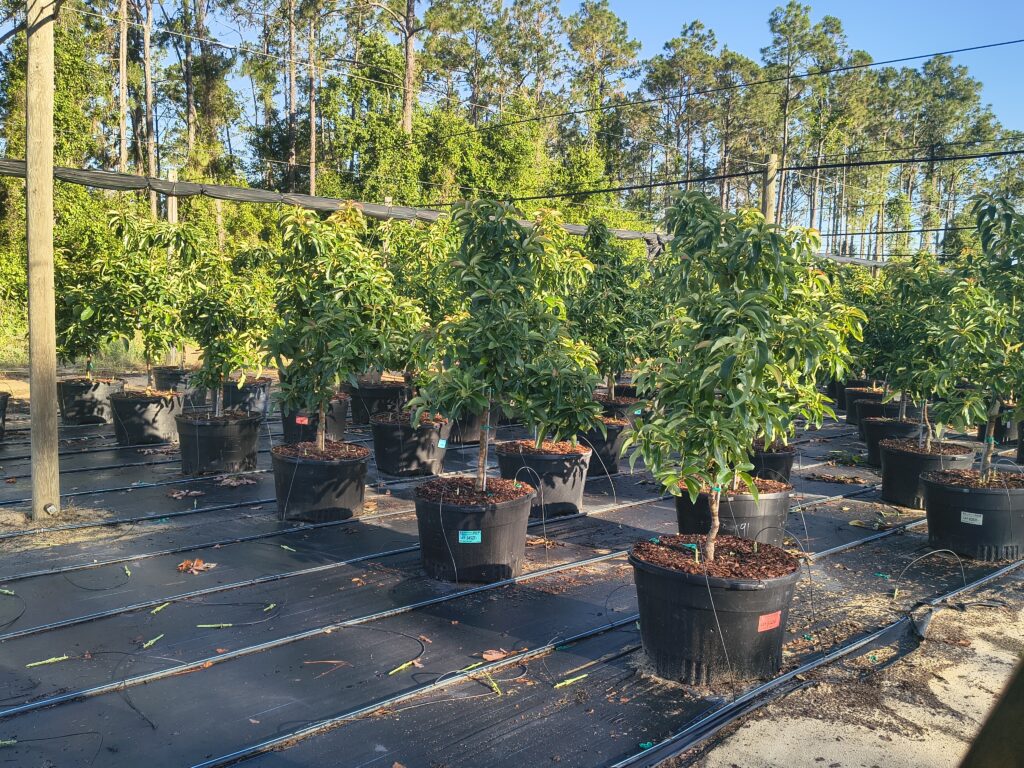
Summer feeding schedules keep your avocado tree supplied with the nutrients it burns through during its most active growing season. Avocados are heavy feeders, and the sandy soils common across Central Florida hold very few nutrients on their own. A balanced fertilizer made for fruit trees gives the tree the nitrogen, phosphorus, and potassium it needs to build leaves, wood, and fruit. The warm months are the right time to feed, since the tree is growing fast and can put the nutrients to immediate use. Light, frequent feeding works far better than one large dose, because small amounts spread over the season avoid overwhelming the roots. Spreading the fertilizer evenly across the root zone and watering it in afterward helps the tree absorb it. A steady supply of food keeps growth green and vigorous all summer long.
Micronutrients deserve special attention when you feed an avocado tree in Florida soil. Beyond the main nutrients, avocados need smaller amounts of zinc, manganese, and iron to stay healthy and avoid yellowing leaves. Our sandy and sometimes alkaline soils often lock up these elements, leaving trees deficient even when the major nutrients are present. A fruit tree fertilizer that includes these micronutrients covers the gap and prevents the pale, mottled foliage that signals a shortage. Yellow leaves with green veins are a classic sign that the tree is missing iron or manganese. Catching these symptoms early and adjusting your feeding keeps the canopy lush and dark green. A well fed avocado resists heat and pests far better than a hungry one.
Timing and restraint protect your tree from the harm that careless feeding can cause during a heat wave. Avoid dumping fertilizer on a tree that is already stressed by extreme heat or drought, since the salts in fertilizer can burn roots that are short on water. Always make sure the soil is moist before and after you feed, and never apply a heavy dose to dry ground in the middle of a scorching week. Young trees especially need gentle, measured feeding, with small amounts given more often rather than a big load all at once. Stop heavy feeding as the season cools so you do not push tender new growth at the wrong time. Reading the package rates and erring on the lighter side keeps your tree safe. When feeding is done with care, it strengthens the tree instead of stressing it.
Pest Control That Defends Your Avocado Tree During Summer Heat
Pest control matters more in summer because warm weather speeds up the life cycle of many insects that target avocado trees. Hot, dry stretches in particular encourage spider mites, which gather on the undersides of leaves and cause a fine speckled or bronzed look across the foliage. Other common visitors include scale insects, lace bugs, and various caterpillars that chew on leaves and tender shoots. A healthy, well watered tree shrugs off most of these pests on its own, while a stressed tree becomes an easy target. That is why all the watering, feeding, and shade habits in this guide double as pest defense. The stronger your tree, the fewer insect problems you will face. Good overall care is the foundation of good pest control.
Regular inspection is your best tool for catching pest problems before they spread across the whole tree. Make a habit of turning over a few leaves each week to check for tiny insects, webbing, or sticky residue that signals trouble. Look closely at new growth, since soft young leaves and shoots attract pests first and show damage soonest. Spotting a small cluster of insects early lets you handle it with a simple blast of water or a light treatment before the population explodes. Sticky honeydew and the sooty black mold that grows on it often point to scale or other sap feeders hiding nearby. The earlier you find the problem, the easier and gentler the solution can be. A few minutes of looking each week saves a great deal of effort later.
When treatment is needed, choosing the right product and timing protects both the tree and the helpful insects in your yard. Horticultural oils and insecticidal soaps control many soft bodied pests, yet they must be used carefully in extreme heat to avoid burning the foliage. Apply these sprays in the cool of early morning or evening, never during the blazing heat of midday, and avoid them when the tree is already stressed. Always coat the undersides of leaves where mites and scale tend to hide and feed. Many gardeners are surprised how much damage a strong spray of water alone can knock back when used regularly. Keeping the area around the tree clean of fallen debris also removes hiding spots for pests. Thoughtful, well timed treatment keeps your avocado defended without harming the balance of your garden.
Why You Need Expert Help Keeping Your Avocado Tree Thriving in Summer Heat
Caring for an avocado tree through a Central Florida summer involves a lot of moving parts, and small mistakes can cost you a whole season of growth. Watering, drainage, sun protection, feeding, and pest control all have to come together at the right time and in the right balance. A trusted local nursery understands the specific soil, climate, and pests of our region in a way that a generic guide never can. Expert advice helps you avoid the common errors that lead to wilting, dieback, and disappointing harvests. The right guidance also saves you money by keeping a healthy tree healthy instead of replacing a failed one. Paul’s Nursery has helped homeowners across the area grow strong, productive avocado trees for generations. The sections below explain when to reach out and why local knowledge makes such a difference.
When to Call a Nursery About Your Avocado Tree in Summer Heat
Knowing when to call a nursery about your avocado tree can mean the difference between a quick fix and a lost tree. If your tree shows wilting leaves even though the soil is wet, that warning sign deserves a professional look right away. Browning leaf edges, branch dieback, and yellow foliage with green veins all point to problems that an expert can diagnose quickly. A nursery professional can tell drought stress apart from overwatering and root disease, which is something that confuses many homeowners. Catching these issues early gives your tree the best chance to recover before the damage spreads. Reaching out at the first sign of trouble is always smarter than waiting and hoping it sorts itself out.
You should also call before you plant, since the right start prevents most summer problems down the road. A nursery can help you choose a variety suited to Central Florida and recommend the best spot in your yard for sun and drainage. Getting advice on mounding, mulching, and watering at planting time sets the tree up to handle its first summer with ease. The same guidance applies when you want to add more fruit trees and need them matched to your soil and space. A short conversation with someone who knows local conditions saves a great deal of guesswork. The earlier you involve an expert, the fewer surprises you face later.
Ongoing questions throughout the growing season are another good reason to stay in touch with your local nursery. Feeding schedules, pest treatments, and seasonal adjustments all raise questions that are easier to answer with a quick call than a long search online. A nursery that knows the area can warn you about the pests and weather patterns that tend to show up each summer. This kind of relationship turns one time advice into steady, year round support for your tree. Want to add a healthy avocado tree that is ready for our climate? Click here to see our avocado trees for sale. A trusted nursery is always there to help you get it right.
How Professional Planting Helps Your Avocado Tree Beat Summer Heat
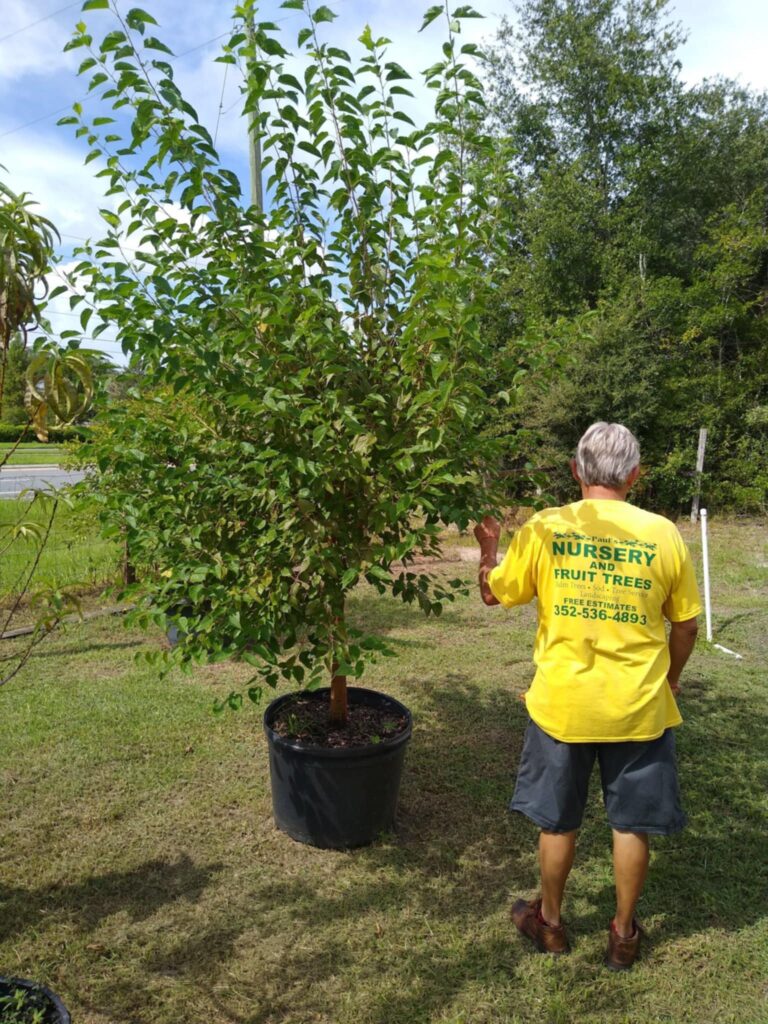
Professional planting gives your avocado tree the strongest possible foundation for surviving and thriving in summer heat. The way a tree is planted shapes its health for years, and small details like mound height and root placement have a lasting impact. An expert knows exactly how to set the root ball so the crown sits above the surrounding soil for proper drainage. Correct depth and spacing prevent the waterlogging and crowding that lead to disease later. Professional planting also includes shaping the soil and adding the right amendments for our sandy ground. Getting these steps right at the start removes many of the problems that plague trees planted in a hurry.
Beyond the planting itself, expert service often includes delivery and placement that protect the tree from transport stress. Moving a young tree the wrong way can damage roots and branches before it ever reaches the ground. A team that handles trees every day knows how to keep the root ball intact and the tree upright during the move. They can also choose the ideal spot in your yard for sun, shade, and drainage based on real experience. This careful handling gives the tree a smooth transition into its new home. A tree that arrives undamaged and is planted correctly faces far less stress in its first summer.
Free estimates for delivery and planting make professional service an easy choice for homeowners who want it done right. Knowing the cost up front lets you plan your orchard without surprises and decide what works for your budget. An expert estimate also includes advice on the best trees and placement for your specific property. This combination of guidance and skilled work pays off in a tree that establishes faster and grows stronger. Many homeowners find that professional planting saves them the cost and heartache of a tree that fails in its first season. Starting with expert help is one of the best investments you can make in a backyard orchard.
Why Choose Paul’s Nursery for Your Avocado Tree Summer Heat Care
Paul’s Nursery brings more than one hundred and twenty five years of family nursery tradition to every avocado tree we help you grow. That depth of experience means we understand the soil, climate, and seasons of Central Florida better than almost anyone. We focus on healthy fruit trees that are matched to the conditions of properties in Clermont, Winter Garden, The Villages, and the surrounding areas. Our team takes pride in honest recommendations, so you only get the trees and advice that truly fit your yard. We carry citrus, mango, avocado, and a wide range of tropical fruit trees ready for local gardens. Helping homeowners build thriving backyard orchards is at the heart of what we do.
As a family owned nursery, we treat every customer the way we would treat a neighbor, with straight answers and real care. We offer free estimates for delivery and planting so you can plan your project with confidence and no hidden surprises. Our staff is always happy to walk you through summer care, from watering and mulching to feeding and pest control. We want your avocado tree to flourish for decades, not just survive a single season. That long term focus shapes the advice we give and the trees we sell. When you work with us, you gain a partner invested in the lasting health of your trees.
Choosing Paul’s Nursery means choosing a local team that stands behind its trees and its guidance year after year. We are proud to serve homeowners throughout Central Florida who want a beautiful, productive fruit tree in their yard. Stop by our location at 13844 Equestrian Dr in Groveland, or reach out with any question about keeping your avocado tree healthy through the summer heat. Our experts can help you choose the right tree, plant it correctly, and care for it through every season that follows. Ready to start or grow your backyard orchard? Call us today at (352) 536-4893 and let our family help yours grow something that lasts.