When Mango Season Peaks in Florida and How to Know Your Fruit Is Ready to Pick
Florida gives mango trees one of the best climates in the country, and that means homeowners across the central part of the state can grow heavy crops in their own yards. Mango season in Florida builds slowly through late spring, then climbs into a strong peak during the warmest months of summer. By the time the calendar reaches midsummer, most backyard trees carry fruit that is sizing up fast and changing color on the branch. Knowing when the season peaks helps you plan harvest days, freezer space, and the time you spend on a ladder. Knowing how to read a ripe mango protects your crop from waste, since fruit picked too early stays starchy and fruit left too long drops and bruises. This guide walks through the timing of the season and the clear signs that your fruit is ready to pick. It also covers how variety and weather shift the dates from one yard to the next. Paul’s Nursery has helped Central Florida families plant productive mango trees for generations, and the same advice we give in person is laid out below.
When Mango Season Peaks in Florida Across the Growing Calendar
Mango season in Florida does not arrive on a single date, since the state stretches across several climate zones and holds dozens of named varieties. In general, the harvest window opens around late May and June, gains strength through July, and reaches its strongest point across July and August. Some early types ripen ahead of that curve, while late types push fresh fruit into September and even October. Central Florida sits a little cooler than the southern tip of the state, so local trees often ripen a week or two behind Miami area orchards. Bloom timing in the prior winter sets the whole schedule, because fruit needs roughly one hundred to one hundred fifty days from flower to mature size. Once you learn the rhythm for your own trees, you can predict the peak each year with good accuracy. The sections below break the timing down by month, weather, and variety.
The Months When Mango Season Peaks in Florida
The core of mango season in Florida runs from June through September, with the heaviest volume landing in July and August. Trees that flowered during the mild stretch of January and February tend to ripen their fruit right in this midsummer window. As the days grow long and hot, sugar builds inside each fruit and the flesh softens toward eating quality. Most homeowners notice a sudden rush during these weeks, when a single tree can drop dozens of mangoes in a matter of days. That rush is the clearest sign that mango season peaks in Florida during the deep summer months. Planning ahead for this surge keeps your counters from overflowing and your fruit from spoiling. A calendar note in late spring gives you time to line up friends, recipes, and storage. Many families treat the peak as a yearly event worth preparing for.
Early in the season, around late May and into June, you will usually see the first wave from varieties bred for an earlier finish. These first fruits often carry premium flavor, since the tree puts strong energy into a smaller load. Volume stays light at this point, so each mango feels like a reward rather than a flood. As June turns to July, more trees join in and the pace quickens across the region. By the time mango season peaks in Florida in July and August, nearly every mature tree contributes at once. The shift from a trickle to a torrent happens fast, and it can surprise first season growers. Watching the early fruit gives you a useful preview of the bigger harvest to come. It also lets you test ripeness signs on a few mangoes before the main crop demands attention.
Late in the cycle, generally from late August into September and beyond, the season tapers as late ripening varieties finish out. These trees stretch the harvest well past the midsummer peak and give patient growers fresh fruit into early fall. Cooler nights toward the end of the season slow the final ripening, so fruit may hang longer than it did in July. Knowing that mango season peaks in Florida earlier than these late types helps you set realistic expectations for a young tree. If your tree finishes late every year, that timing is normal for its variety and not a problem to fix. A mixed planting of early, midseason, and late types can spread your harvest across many weeks. That spread turns a short, intense peak into a longer run of steady fruit. For families who want mangoes on the counter as long as possible, variety selection is the simple key.
How Weather Shapes When Mango Season Peaks in Florida
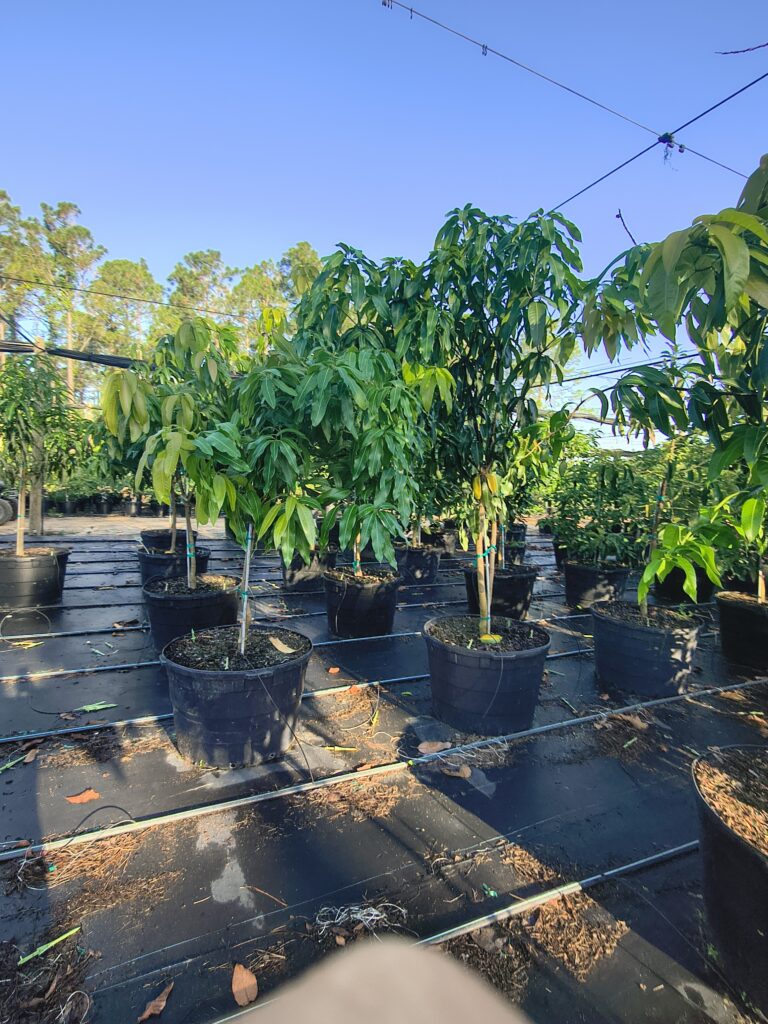
Weather during the winter bloom carries more weight than almost any other factor in setting when mango season peaks in Florida. A warm, dry stretch in January and February encourages strong flowering and a clean fruit set. Cold snaps, heavy rain, or fog during bloom can knock flowers off and delay or thin the crop. When bloom runs late because of a cold winter, the entire harvest slides later into summer. When bloom comes early after a mild winter, fruit can ripen ahead of the usual window. This is why two neighbors with the same variety sometimes pick on different weeks. Reading the prior winter gives you a head start on guessing the current year’s timing. Growers who track this pattern rarely get caught off guard.
Summer heat then drives the speed of ripening once fruit has set on the tree. Long, hot days push sugar into the flesh and move green fruit toward full color and softness. A run of cloudy, wet weather can slow that process and stretch the season by several days. Heavy summer rain right at the peak can also cause some fruit to split or develop spots, so harvest timing matters even more in a wet year. Steady warmth, by contrast, tends to tighten the peak into a shorter, more intense burst. This is part of why mango season peaks in Florida so sharply during the hottest part of summer. Paying attention to the forecast in July helps you choose the best days to pick. A dry, warm stretch is the ideal time to bring fruit in from the tree.
Local conditions in your own yard add one more layer to the timing. A tree in a warm, sheltered spot against a south facing wall will often ripen ahead of a tree in an open, breezy area. Soil that drains well keeps roots healthy and supports an even, on time crop. Trees stressed by drought, poor drainage, or root damage may ripen unevenly or drop fruit early. Good care through the spring sets up a clean harvest when mango season peaks in Florida later in the year. Mulch, steady moisture, and sound pruning all help your tree hit its natural schedule. Small site choices made at planting can shift your harvest by a week in either direction. Want a mango tree matched to your exact spot? Click here to see our mango trees for sale.
How Variety Affects When Mango Season Peaks in Florida
Variety is the single biggest lever you control over when your own mangoes ripen. Early types such as those bred for a June finish bring the first fruit of the year before the main crowd. Midseason favorites carry the bulk of the harvest right as mango season peaks in Florida in July and August. Late types hold their fruit into September, extending the run for growers who plan ahead. Each variety also brings its own color, size, fiber level, and flavor, so the choice shapes more than timing alone. Some types turn bright red and yellow when ripe, while others stay green even at peak eating quality. Knowing your variety removes the guesswork from reading ripeness. This is why we always label trees clearly and explain their habits before you buy.
For Central Florida yards, cold hardiness and ripening time both deserve attention when you pick a variety. A type that finishes in midsummer avoids the risk of fruit hanging into the first cool nights of fall. Compact growers fit small lots and make harvest easier without a tall ladder. Vigorous types can fill a large yard and produce heavy crops once established. Matching the variety to your space and your patience pays off every year at harvest. Because mango season peaks in Florida during a tight window, a mix of ripening times keeps fruit coming longer. A thoughtful planting plan turns one short peak into weeks of fresh fruit. Our staff can map a planting that spreads your harvest across the summer.
Flavor preference should guide the final pick once timing and size fit your yard. Some growers love rich, sweet types with smooth, low fiber flesh for fresh eating. Others want firm, tangy fruit that holds up well in the kitchen or on the grill. The variety you choose decides which of these you bring home each summer. Since mango season peaks in Florida only once a year, the fruit you grow is the fruit you live with for that whole stretch. Tasting different types at markets or with friends helps you settle on a favorite before you plant. Once you know what you like, selecting the right tree becomes simple. Want to compare more fruit options for your yard? Click here to browse all of our fruit trees for sale.
How to Know Your Mango Fruit Is Ready to Pick
Timing the season is only half the job, because each fruit ripens on its own schedule even on the same tree. A mango picked too early stays hard and starchy, and it may never reach full sweetness on the counter. A mango left too long can grow overripe, drop, or attract pests and birds. The good news is that mangoes are climacteric fruit, which means they keep ripening after you pick them. That trait lets you harvest mature green fruit and finish the ripening indoors at room temperature. Reading the right signs tells you when a mango has reached the mature stage where picking makes sense. The next sections cover the color, feel, smell, and stem clues that show your mango fruit is ready to pick. With a little practice, the signs become second nature.
Color Signs That Your Mango Fruit Is Ready to Pick
Color is the first clue most growers reach for, though it works differently for each variety. Many types shift from a flat, dull green to a brighter background color with a hint of yellow, gold, or red. Red shoulders that spread and deepen often signal that a mango fruit is ready to pick. Some varieties stay green even when fully mature, so color alone can mislead you on those types. The skin may also take on a slight bloom or waxy sheen as the fruit nears maturity. Watching how color changes on your specific tree across one season teaches you its personal signal. Once you learn that pattern, color becomes a fast and reliable first check. Pair it with the other signs below for the best read.
The flesh near the stem end gives another color hint on many varieties. As a mango matures, the area around the stem often fills out and rounds rather than staying flat. The skin in that zone can lighten or warm in tone as sugar builds inside. These shifts tell you the fruit has reached the mature stage where a mango fruit is ready to pick and finish ripening indoors. Tiny pale dots, called lenticels, may also become more noticeable on ripe skin. None of these signs work alone, so treat color as one piece of the full picture. Comparing several fruits on the same tree helps you spot the leaders. Pick those first and let the greener ones hang a few more days.
Light and sun exposure can change how color reads, so check fruit from more than one angle. A mango on the sunny side of the tree may color up faster than one hidden in the shade, even at the same maturity. Do not assume a green, shaded fruit is unripe simply because it lacks blush. Feel and stem signs will confirm what color suggests when a mango fruit is ready to pick. Keep a few test fruits in mind and track them over several days. This habit trains your eye for the rest of the crop. Over one full season you will read your tree like a calendar. After that, color checks take only a glance.
The Touch and Smell Test for When Mango Fruit Is Ready to Pick
Gentle pressure tells you a great deal about ripeness without cutting the fruit. A mature mango gives slightly when you press near the stem, much like a ripe peach or avocado. Rock hard fruit usually needs more time on the tree, while very soft fruit may already be overripe. The goal is a firm fruit with just a little give, which shows a mango fruit is ready to pick for counter ripening. Press lightly with your whole hand rather than digging in with a fingertip, since that prevents bruises. Test several fruits to learn the range across your tree. The feel you want sits between firm and yielding. With practice your hand reads ripeness as fast as your eyes.
Smell is one of the most trustworthy signs of all. A ripe mango releases a sweet, rich fragrance right at the stem end. Lift a fruit gently and sniff near the spot where it meets the branch. A strong, fruity aroma means sugar has developed and the fruit is near peak. Little or no smell suggests the mango needs more time before it is ready. A sour or fermented odor, by contrast, warns that the fruit has gone past its prime. This smell test tells you a mango fruit is ready to pick even on green skinned varieties that hide their color. Trust your nose when the other signs feel unclear.
Combine touch and smell with what you see for the most reliable read. A fruit that has the right give, a sweet stem end aroma, and a maturing color is almost always ready. When two of these three line up, picking is usually safe for indoor ripening. Remember that mangoes finish well off the tree, so you do not need perfect ripeness on the branch. Harvesting at the mature green to slightly soft stage protects fruit from drops and pests. Bring those fruits inside and let them soften at room temperature over several days. Check them daily and refrigerate once they reach the sweetness you like. This simple routine saves your crop during the busy peak.
The Stem and Shoulder Test for When Mango Fruit Is Ready to Pick
The shoulders of a mango, meaning the rounded sides near the stem, fill out as the fruit matures. On a young, immature fruit these shoulders sit flat or even sloped below the stem. As the fruit grows ready, the shoulders rise and round until they sit level with or above the stem attachment. This filling out is a strong sign a mango fruit is ready to pick. Compare a known immature fruit with a suspected ripe one to train your eye. The difference becomes obvious once you have seen it a few times. Use this shoulder check together with color, feel, and smell. Together these signs rarely steer you wrong.
The way a fruit releases from the branch offers another clue. A mature mango often separates with a gentle lift and slight twist, while an immature fruit clings tightly. Do not force a stubborn fruit, since that fruit likely needs more time. When you do pick, leave a short stub of stem to slow sap flow from the cut. Some growers snip the stem with shears rather than pulling, which keeps the fruit and tree cleaner. Mango sap can irritate skin and stain the fruit, so handle the stem end with care. Picking the easy releasers first confirms that a mango fruit is ready to pick. The clingy ones can wait for their turn.
Natural fruit drop is the tree’s own ripeness signal, though it is the riskiest one to wait for. When a few sound, mature fruits begin to fall on their own, the main crop is usually close behind. Dropped fruit bruises easily and draws insects and animals, so it pays to harvest before heavy drop begins. Use early drops as a cue that a mango fruit is ready to pick across the rest of the tree. Gather the good windfalls quickly and check them for damage. Then move to the tree and harvest the mature fruit by hand. This approach captures the peak without losing fruit to the ground. With these stem and shoulder signs mastered, you will time every harvest well.
Why You Need Healthy Mango Trees From Paul’s Nursery
A strong harvest starts with a strong tree, and that begins at the nursery where you buy it. A healthy, well rooted mango tree of a known variety gives you predictable ripening and years of heavy crops. Paul’s Nursery brings over a century of family nursery tradition to Central Florida, and we focus on honest recommendations rather than quick sales. We grow and stock varieties suited to local yards, and we explain each tree’s habits before you take it home. Free estimates for delivery and planting make it easy to start a backyard orchard the right way. The sections below explain how we help you plant, choose, and grow mango trees that thrive.
Get Free Estimates for Mango Tree Delivery and Planting
Starting a mango tree the right way sets up every harvest that follows, so planting matters as much as picking. Paul’s Nursery offers free estimates for delivery and planting across our Central Florida service area. Our crew places your tree in well drained soil, at the right depth, in a spot suited to its variety and sun needs. Proper planting reduces transplant stress and helps the tree reach a productive size sooner. We also share simple care steps for water, mulch, and early pruning before we leave. That foundation pays off when mango season peaks in Florida and your tree carries its first real crop.
A free estimate gives you clear numbers before you commit, with no pressure to move ahead. We walk your property, look at sun and drainage, and suggest the best place for a mango tree to thrive. If a spot will not support a healthy tree, we tell you plainly and offer better options. This honest approach reflects the ethos that has guided our family nursery for generations. You get advice you can trust and a plan that fits your yard and budget. Ready to plant a mango tree this season? Click here to see our mango trees for sale.
Delivery and planting save you the heavy lifting and the guesswork of a tricky job. Mango trees need careful handling so roots and trunk arrive undamaged and ready to grow. Our team brings the tree, the tools, and the experience to set it up for long term health. We time planting for the seasons that give young trees the best start in Central Florida. Once it is in the ground, your tree begins the journey toward those midsummer harvests. A well planted mango tree rewards you for decades with fruit each year.
Pick the Right Mango Trees for Central Florida
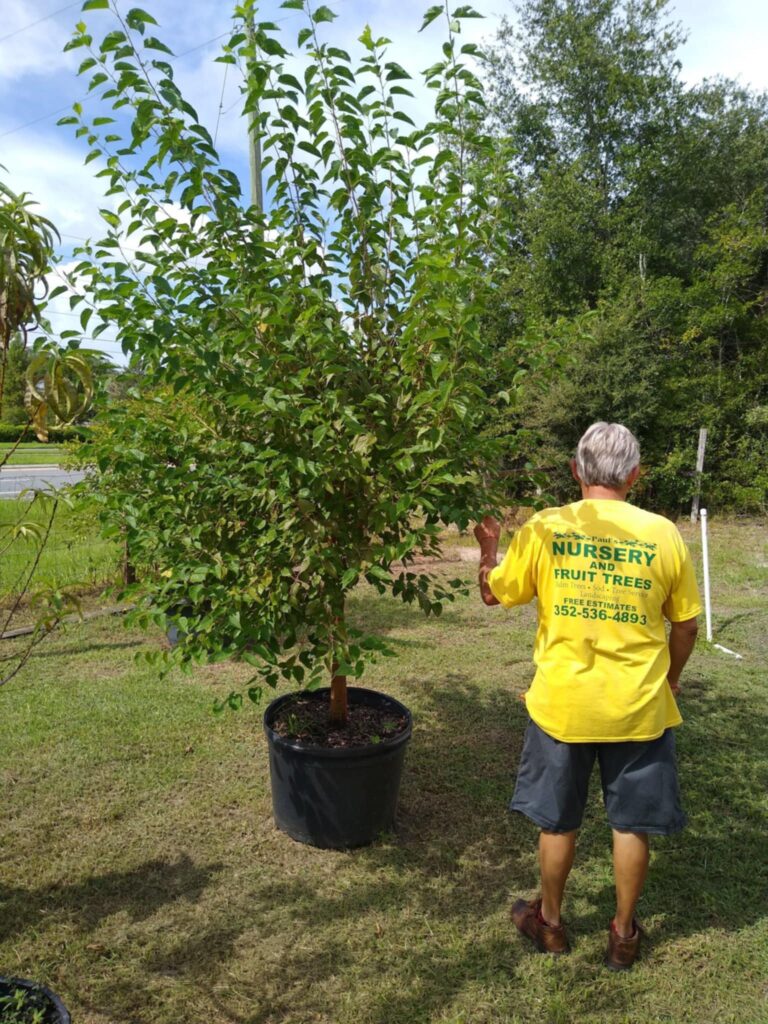
Choosing the right mango variety is the surest way to enjoy fruit that ripens on your schedule. Central Florida yards do best with types that handle our climate and finish before the first cool nights. We carry early, midseason, and late varieties so you can spread your harvest across the summer. Our staff explains the color, size, flavor, and ripening time of each tree on hand. That guidance helps you match a tree to your space, your taste, and your patience. The right choice means more fruit and fewer surprises every year.
A mix of varieties turns the short peak into a long, steady run of fresh mangoes. Pairing an early type with a late one stretches your harvest well beyond the midsummer rush. We help you plan that mix based on your yard size and how much fruit you want. Compact trees fit small lots, while vigorous types fill larger spaces with heavy crops. Knowing how each variety behaves removes the guesswork from planting day. Want to see more fruit tree options for your property? Click here to browse all of our fruit trees for sale.
Honest variety advice is the heart of what we do at Paul’s Nursery. We would rather steer you to a tree that thrives than sell one that struggles in your yard. Local knowledge of soil, sun, and cold patterns shapes every recommendation we make. That care is why so many Central Florida families return to us for their next tree. When you choose a variety with our help, you plant with confidence. The result is a healthy tree that fruits well when mango season peaks in Florida each summer.
Why Choose Paul’s Nursery for Your Mango Trees
Paul’s Nursery brings over one hundred twenty five years of family nursery tradition to every tree we grow. That long experience shows in the health of our stock and the quality of our advice. We focus on healthy fruit trees for Central Florida properties, with mango among our most popular choices. Families across Clermont, Winter Garden, The Villages, and nearby areas trust us for honest help. We treat each customer the way we would treat a neighbor, because many of them are. That ethos guides everything from our growing practices to our planting service.
Our team helps homeowners create backyard fruit orchards that produce for decades. We stock citrus, mango, avocado, and a wide range of tropical fruit trees suited to the region. Free estimates for delivery and planting take the stress out of starting your orchard. Honest recommendations keep you from buying a tree that will not thrive in your yard. Every visit comes with practical care advice you can use right away. That full service approach is why so many local families plant with us.
When you are ready to grow mangoes that ripen right on time, Paul’s Nursery is here to help. Visit us at 13844 Equestrian Dr, Groveland, FL 34736 to see our healthy trees in person. Our staff will match you with the right variety and set up a planting plan that fits your yard. Want to start your backyard mango orchard this season? Click here to see our mango trees for sale, or call us today at (352) 536-4893. We look forward to helping your family enjoy fresh fruit for years to come.