Getting Your Citrus Trees Ready for the Fall and Winter Months
Fall and winter change the way citrus trees behave across Central Florida. Cooler nights slow new growth, push the tree’s energy toward ripening fruit, and raise the risk of frost damage on tender leaves. Homeowners in Groveland, Clermont, and The Villages get the strongest results when they prepare their trees before the first cold snap arrives. Solid preparation starts with steady watering, smart fall feeding, and a clear plan for freeze protection on cold nights. Young trees need extra attention because their thin bark and small root systems handle cold poorly. Mature trees hold up better, though they still benefit from a few simple steps each season. This guide walks through the exact tasks that get citrus trees ready for the cooler months, in the order you should tackle them. Follow these steps and your oranges, lemons, and grapefruit stay healthy through winter and into the next harvest season.
How to Prepare Citrus Trees for Fall and Winter in Central Florida
Preparing citrus trees for fall and winter in Central Florida comes down to timing and a few reliable habits. The growing season winds down as daylight shrinks, so the tree shifts from producing leaves to filling out fruit. Your job during this window is to keep the tree strong without pushing soft new growth that cold weather can burn. That means adjusting how you water, ending nitrogen feeding at the right time, and insulating the root zone with mulch. Groveland and the surrounding Lake County area sit in a climate that stays mild most of the winter, yet frost and the occasional freeze still show up between December and February. A tree that goes into winter well fed and properly watered shrugs off cold far better than a stressed one. The three tasks below form the foundation of every good fall and winter citrus plan.
Fall and Winter Watering for Healthy Citrus Trees
Watering sets the tone for how well your citrus trees handle the cooler months, so it deserves the first spot on your list. Through summer, citrus trees drink heavily because heat and rapid growth pull moisture out of the soil fast. As fall arrives and temperatures drop, growth slows and the tree needs less frequent watering than it did in July or August. You should stretch the time between waterings, yet never let the root zone dry out completely, since drought stress weakens a tree right when it needs strength for cold weather. A deep soak once or twice a week works better than shallow daily sprinkles because deep watering pushes roots downward where soil stays warmer. Check the soil a few inches down with your finger before you water, and adjust based on rain and temperature rather than a fixed calendar. Consistent moisture through fall keeps the leaves firm and the fruit filling out on schedule.
Winter watering follows a similar rhythm, with one major exception that many homeowners overlook. Moist soil holds and releases heat far better than dry soil, so the ground under a well watered tree acts like a warm blanket on a cold night. Before any predicted freeze, give your citrus trees a deep soak during the daytime hours so the soil is saturated when temperatures fall after dark. This warm, wet soil radiates heat upward through the night and can lift the temperature around the tree by a few critical degrees. Never water during the freeze itself unless you are running a dedicated microsprinkler system built for freeze protection, since surface ice on the ground offers no benefit and can add weight to branches. Keep an eye on local forecasts through the winter and treat every hard freeze warning as a cue to prepare. This single habit protects roots, trunks, and fruit at the same time.
Drainage matters as much as the water itself when you set up your trees for the season. Citrus roots rot in standing water, so soil that drains well protects the tree during winter rains and after your pre freeze soakings. If your trees sit in low spots that hold water, consider building the soil up into a gentle mound or planting future trees on a slight rise. Container citrus needs the same care, with drainage holes kept clear and pots raised slightly off the ground. Watch for yellowing leaves and soft, mushy soil, both signs that the tree is holding too much water and needs a break. Balanced moisture, not soggy roots and not bone dry soil, is the target through every cool month. Get watering right and the rest of your winter prep works far more smoothly.
Fall Fertilizing Steps to Get Citrus Trees Ready for Winter
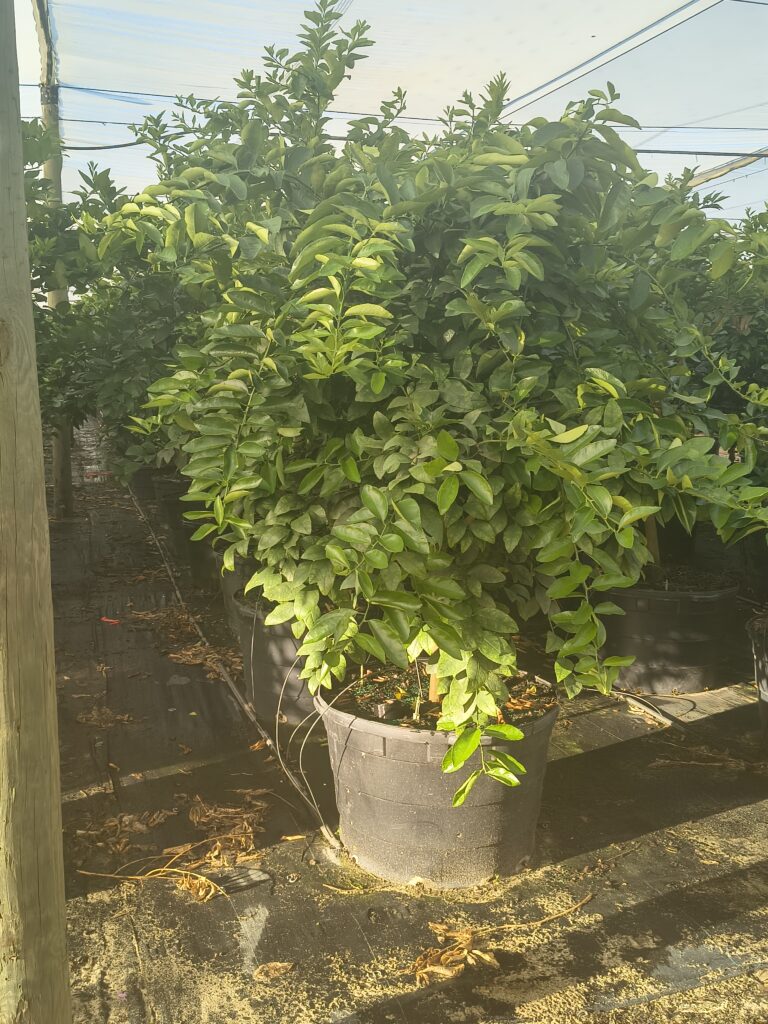
Fertilizing on the right schedule is one of the most important steps you can take to get citrus trees ready for winter. Citrus in Central Florida typically gets fed a few times across the growing season, with feedings spread through late winter, early summer, and early fall. The early fall feeding is the one that matters most for cold season prep, and its timing is where many homeowners go wrong. You want to complete your last nitrogen feeding by early fall so the tree has time to use those nutrients and harden off before the first cold nights. A late feeding in November or December pushes out a flush of soft, tender growth at the worst possible moment. That fresh growth cannot withstand frost, and it drains energy the tree should be storing for winter instead. Feed early, then let the tree slow down naturally as the days get shorter.
The type of fertilizer you choose plays a role in how well your citrus trees finish the season. A balanced citrus formula that includes micronutrients like magnesium, manganese, and iron supports strong roots and healthy leaves heading into the cold. Nitrogen drives leafy growth, so easing off nitrogen in late fall is the whole point of stopping early rather than feeding right up to winter. Potassium, on the other hand, helps the tree build cold tolerance and firm up its tissues, which is exactly what you want before a freeze. Spread the fertilizer evenly out to the edge of the canopy where the feeder roots live, and water it in so the nutrients reach the roots. Always follow the rate on the label, since too much fertilizer burns roots and stresses the tree. A well fed tree in early fall becomes a tough, cold ready tree by December.
Reading your tree tells you plenty about how your fall feeding is working. Pale green or yellow leaves often point to a nutrient shortage, while dark green, firm foliage signals a tree in good shape for winter. Older leaves that yellow between the veins usually mean the tree wants more magnesium or manganese, both common needs in Central Florida’s sandy soil. Skip guesswork by matching the feeding schedule to the calendar and adjusting only when the leaves tell you something is off. If you plan to add new citrus this season, feeding and planting go hand in hand, and our team can point you to varieties that suit your soil. Ready to add citrus to your yard this fall? Click here to browse our fruit trees for sale. A strong feeding plan now pays you back with a healthy tree and a heavy harvest.
Mulching and Trunk Care That Get Citrus Trees Ready for Winter
Mulching is a quiet workhorse that helps get citrus trees ready for winter with very little effort on your part. A layer of mulch spread over the root zone insulates the soil, holds moisture, and steadies the temperature swings that stress roots during cold snaps. Aim for two to three inches of organic mulch such as wood chips, bark, or pine straw across the area under the canopy. Keep that mulch pulled back six to twelve inches from the trunk, since mulch piled against the bark traps moisture and invites rot and pests. The goal is a warm, even blanket over the roots, not a mound wrapped around the base of the tree. Refresh the mulch as it breaks down through the season so the insulation stays effective. This simple layer buffers your trees against the coldest nights of the year.
Trunk care becomes especially important once real cold moves into Central Florida. The trunk and the graft union near the base are the parts of a citrus tree most worth protecting, because damage there can kill the whole plant. Wrapping the trunk with commercial tree wrap, foam pipe insulation, or even blankets on freeze nights guards the bark from splitting in the cold. Banking a few inches of soil or mulch around the base of a young trunk adds another layer of insulation for the graft union and lower bark. Remove that soil bank in spring so the trunk can breathe once the freeze danger passes. Painting young trunks with diluted white latex paint also reflects harsh sun and reduces bark cracking during the day night temperature swings of winter. These small steps protect the most valuable part of the tree.
Pruning timing rounds out your fall and winter trunk care, and the rule here is simple. Hold off on heavy pruning in fall and early winter, because cutting stimulates new growth that cold weather promptly burns. The full canopy also shelters the interior of the tree and traps warmth, so removing branches right before winter strips away natural protection. Wait until late winter or early spring, after the last freeze has passed, to shape your trees and remove dead or crossing limbs. During the cold months, limit yourself to snipping off obviously dead or damaged wood and nothing more. Clear away fallen leaves and fruit under the tree to reduce places where pests and disease overwinter. Save the real pruning for spring and your trees head into winter with their armor intact.
Protecting Citrus Trees From Frost and Freeze During Winter
Protecting citrus trees from frost and freeze is the part of winter prep that saves your harvest and, in hard years, saves the tree itself. Central Florida enjoys mild winters most of the time, yet cold fronts can drop temperatures below freezing for a few hours overnight several times a season. Those short windows do the damage, and a tree left unprotected can lose leaves, fruit, and young wood in a single night. The good news is that citrus freeze protection is straightforward once you know the tools and the timing. Frost cloth, deep watering, and extra care for young trees form the core of any freeze plan. You will also want to harvest ripe fruit ahead of a hard freeze, since fruit left on the tree can freeze and spoil. Watch the forecast closely from December through February and act before the cold arrives rather than after.
Using Frost Cloth to Protect Citrus Trees on Cold Winter Nights
Frost cloth is the single most useful tool for protecting citrus trees on cold winter nights, and it belongs in every Central Florida gardener’s shed. This breathable fabric traps heat rising from the ground and holds it around the canopy, often keeping the tree several degrees warmer than the open air. Drape the cloth all the way to the ground and secure the edges with stakes, rocks, or bricks so the warm air stays trapped underneath. Covering the tree completely to the soil line is what makes the difference, since a cover that stops partway does little to hold ground heat. Put the cover on in the late afternoon before temperatures drop, and take it off the next morning once the air warms above freezing. Leaving the cloth on during warm, sunny days can overheat the tree and undo your good work.
The material you choose for covering matters more than many homeowners realize. Purpose made frost cloth or frost blankets work best because they let a little air and light through while still holding warmth. Old sheets, blankets, and burlap can work in a pinch for a single night, provided you remove them promptly the next day. Plastic sheeting is the one material to avoid laying directly on the foliage, because leaves touching cold plastic freeze right through the film. If you do use plastic, build a simple frame with stakes so the plastic never touches the leaves, and pull it off first thing in the morning. For extra warmth on the coldest nights, a small outdoor safe heat source or old style holiday lights under the cover can add a few degrees. Match the cover to the severity of the freeze and your trees ride out the cold.
Size and shape of your tree guide how you approach covering. Small and medium trees are easy to drape and stake, and they gain the most protection from a full ground level cover. Large mature trees are harder to cover completely, so focus your effort on the trunk, the graft union, and the interior scaffold branches. A tree too big to cover still benefits from a deep pre freeze watering and a heavy mulch layer over the roots. Keep a few frost cloths ready before the season starts so a surprise forecast never catches you unprepared. If you are choosing new citrus and want cold tolerant options that need less fuss, our team can help you pick the right ones. Looking for orange trees that handle Central Florida winters? Click here to browse our orange trees. A little preparation before the cold arrives protects the whole tree.
Watering Before a Freeze to Protect Citrus Trees in Winter
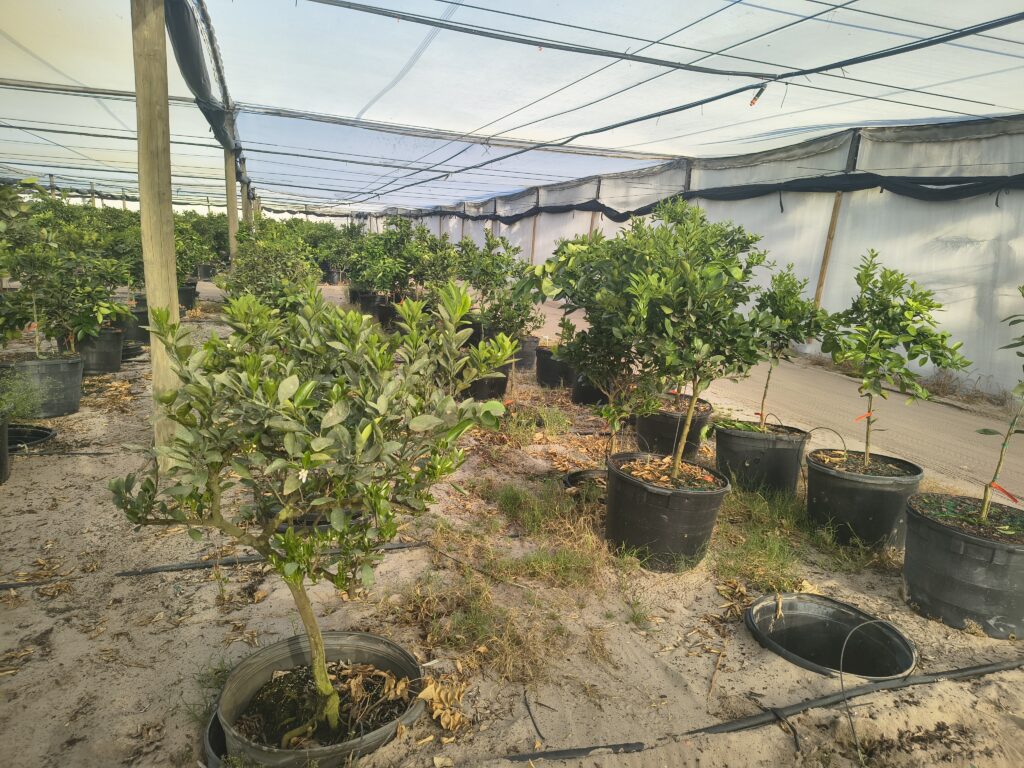
Watering before a freeze is one of the most effective and least expensive ways to protect citrus trees in winter. Wet soil absorbs far more heat during the day than dry soil, and it slowly releases that heat through the night when your tree needs it most. A deep daytime soak before a predicted freeze warms the ground and raises the temperature in the air right around the tree by a few valuable degrees. Those few degrees often mean the difference between a tree that comes through unharmed and one that loses its leaves. Water the full root zone out to the edge of the canopy rather than just the base, since that is where the roots spread. Time the soak for the afternoon before the cold night so the soil is fully charged with warmth when temperatures fall. This method costs you nothing but a little water and a little planning.
Understanding why wet soil helps makes it easier to time your watering correctly. Soil, water, and moist ground all store heat that they picked up from the sun during the day. As night falls and the air cools, that stored heat radiates upward and creates a warmer pocket near the ground and the lower canopy. Dry, sandy soil holds very little heat, which is why unwatered trees in loose Central Florida soil suffer more during freezes. A tree standing in freshly watered ground under a frost cloth combines two protection methods and gains the benefit of both. Pair the pre freeze soak with a solid mulch layer and the soil holds its warmth even longer. Simple physics does the heavy lifting once you get the timing right.
There is a right and a wrong way to use water around a freeze, so keep a few cautions in mind. Do the deep soak during the day and stop before nightfall, since standing water freezing on the surface offers no help to the roots. Running sprinklers continuously through a freeze is a commercial technique that relies on constant water flow and careful management, and it can harm trees when done wrong. For most homeowners, the daytime pre freeze soak is the safe and reliable choice. Avoid soaking the trunk itself for long stretches, and focus the water on the soil over the root zone instead. Combine watering, mulching, and covering for the strongest defense on the coldest nights. Handled correctly, water becomes one of your best tools against winter cold.
Protecting Young Citrus Trees From Winter Freeze Damage
Young citrus trees demand the most careful attention when it comes to protecting them from winter freeze damage. A tree in its first two or three years has thin bark, a small root system, and little stored energy, so a freeze that a mature tree survives can seriously set back a young one. The graft union near the base is especially vulnerable, and losing it means losing the fruiting variety entirely. Wrap the trunks of young trees with insulation on freeze nights and bank soil or mulch a few inches up around the base for extra protection. Cover the whole small tree with frost cloth to the ground, which is easy to do given their size. A young tree that loses its top can often regrow from below the graft, but that regrowth will be rootstock rather than the citrus you planted. Extra effort on young trees pays off for decades.
Placement and planning shape how well your young trees handle their first winters. Planting on the south or southeast side of your home or a fence gives young trees a warmer microclimate and some shelter from north wind. Avoid low spots where cold air settles and frost pools on still nights, since those locations run several degrees colder than higher ground nearby. Container grown young citrus offers a real advantage, because you can move the pots into a garage or against a warm wall when a hard freeze threatens. Group potted trees together on cold nights so they share warmth and are easier to cover as a unit. Every degree of shelter you can arrange reduces the stress on a young, tender tree. Thoughtful placement makes winter protection far easier year after year.
Timing your planting sets young trees up to face winter with the best possible odds. A tree planted in spring or early summer has months to establish roots before its first cold season arrives. A tree planted in late fall goes into winter with a small, unestablished root system and needs the most protection you can give it. Our team can guide you on the right time to plant so your new citrus enters winter ready rather than fragile. Thinking about adding citrus before the cold settles in? Click here to explore our full selection of citrus and fruit trees. Watch young trees closely all winter and act quickly when the forecast turns cold. Protect them well in those early years and they reward you with strong growth and heavy fruit down the road.
Why You Need Expert Help Getting Citrus Trees Ready for Winter
Getting citrus trees ready for winter takes knowledge that grows out of years spent working with Central Florida soil, weather, and varieties. The steps above cover the essentials, yet every property is different, and small choices about variety, placement, and timing add up over the life of a tree. An experienced nursery helps you match the right citrus to your yard, your goals, and the cold patterns in your specific area. That guidance saves you money by steering you away from trees that struggle and toward ones that thrive. Paul’s Nursery has served local homeowners for generations, and that experience shows up in healthier trees and better harvests. The sections below explain how expert help turns a good winter plan into a great one.
Choosing the Right Citrus Trees for Central Florida Winters
Choosing the right citrus trees for Central Florida winters starts with understanding which varieties handle cold with the least fuss. Some citrus types tolerate cold better than others, and starting with a hardier variety cuts your winter workload for years to come. Satsuma mandarins, kumquats, and certain mandarin types rank among the more cold tolerant options for our area. Grapefruit, limes, and lemons tend to be more sensitive to cold and reward you for extra freeze protection. A knowledgeable nursery walks you through these differences so you plant with clear expectations. That first choice shapes how much effort every future winter will take.
Rootstock and tree health at purchase matter just as much as the variety on top. A tree grown on a vigorous, well matched rootstock establishes faster and handles stress better than a weak or mismatched one. Buying from a nursery that grows strong, disease free stock protects your investment from the very beginning. A healthy young tree with a solid root system enters its first winter far better equipped than a stressed one from a big box shelf. Our team inspects and stands behind the trees we sell, so you start with real quality. Strong trees make every winter easier.
Your goals for the tree guide the final selection as much as the climate does. Someone who wants early fruit picks a different variety than someone who wants a long harvest window stretching deep into winter. Space, sunlight, and soil on your property all factor into the right match, and a good nursery asks about those details before recommending anything. Honest recommendations save you from planting the wrong tree in the wrong spot. We would rather point you to the tree that fits than sell you one that struggles. That approach has kept local families coming back for over a century.
When to Plant Citrus Trees Before Winter Arrives
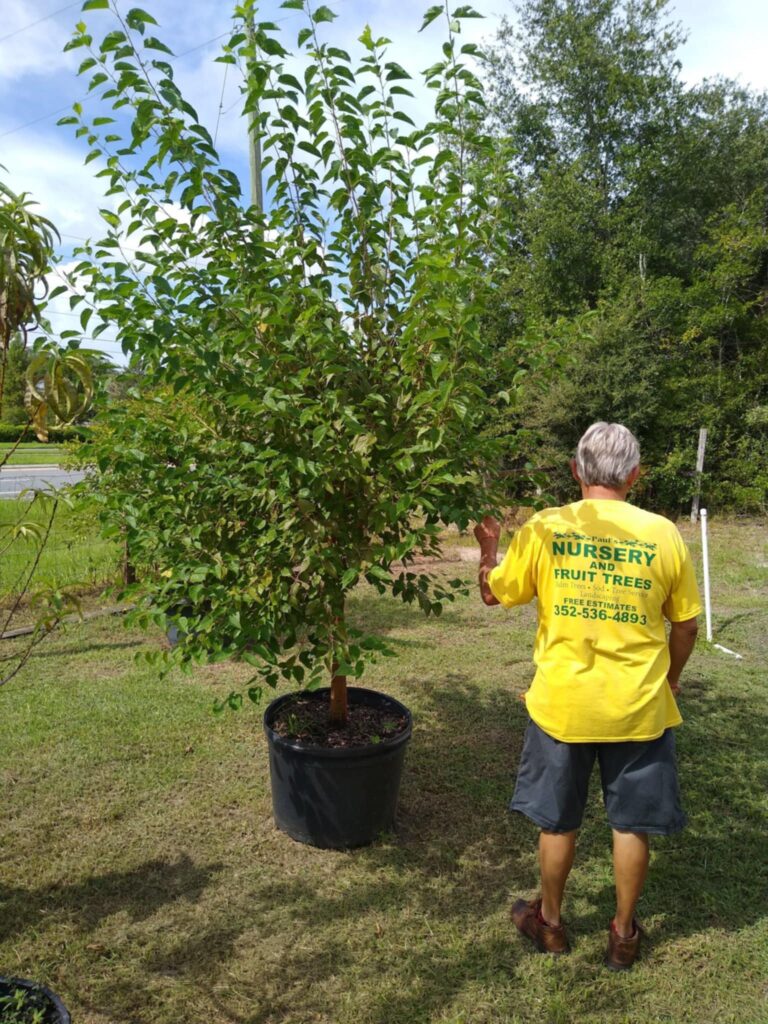
Knowing when to plant citrus trees before winter arrives can make the difference between a tree that thrives and one that limps through its first cold season. Trees planted in spring and early summer get a long stretch of warm weather to sink roots and build strength before any freeze. A well established tree stands up to cold far better than one still working to settle into the ground. Timing your planting with the seasons gives your new citrus the head start it needs. A little planning now prevents a great deal of worry later.
Fall planting still works in Central Florida, though it comes with a few extra considerations worth understanding. A tree planted in fall has less time to establish before winter, so it needs closer attention and more freeze protection in its first months. Mulching, careful watering, and covering become even more important for a fall planted tree. Our team helps you decide the right window based on the variety you want and the conditions in your yard. Good advice up front keeps a fall planting on track.
Site preparation before planting sets up your tree for a strong start no matter the season. Picking a sunny, sheltered spot with soil that drains well gives roots the conditions they need to establish quickly. We help you plan placement so your tree lands in the best possible location the first time. Moving a struggling tree later is far harder than planting it right from the start. Sound guidance on timing and placement pays off through every winter that follows.
Why Choose Paul’s Nursery to Get Your Citrus Trees Ready for Winter
Choosing Paul’s Nursery to get your citrus trees ready for winter means working with a family business built on more than 125 years of nursery tradition. That long history shows up in the health of our trees, the honesty of our advice, and the results our customers see season after season. We focus on Central Florida properties, so the guidance you get fits the exact climate around Groveland, Clermont, Winter Garden, and The Villages. Our team cares about matching you with the right tree, not simply making a sale. That commitment to honest recommendations has earned the trust of local homeowners for generations.
We help homeowners build backyard fruit orchards that produce for decades, starting with healthy trees and clear, practical guidance. From choosing cold tolerant citrus to timing your planting and planning freeze protection, we walk with you through every step. Free estimates for delivery and planting take the guesswork out of getting started. Our knowledge of Central Florida soil and weather means fewer mistakes and better harvests for you. When you succeed with your trees, we succeed too.
Getting your citrus trees ready for the fall and winter months is easier with a trusted local nursery in your corner. Visit us at 13844 Equestrian Dr, Groveland, FL 34736, or reach out to talk through your citrus plans and cold season questions. Our friendly team is ready to recommend the right varieties, explain the best planting times, and share the freeze protection steps that keep your trees safe. Give us a call today at (352) 536-4893 and let us help you grow a healthy, productive fruit orchard that lasts. Paul’s Nursery is proud to serve Central Florida homeowners, one healthy tree at a time.