Why Loquat Trees Deserve a Place in Your Florida Yard
Loquat trees give Central Florida homeowners a rare mix of good looks, steady shade, and fruit that ripens when most other trees sit bare. This evergreen tree keeps its broad green leaves all year, so your yard never looks empty during the cooler months. Loquats flower in the fall and set fruit that ripens in late winter and early spring, which fills a gap that many backyard growers face every season. The tree handles the heat, humidity, and sandy soil found across Lake County and the surrounding towns. A loquat also stays a manageable size, which makes it easy to fit into a standard yard without crowding a house or a fence line. Summer is a strong time to establish a young loquat, since the rainy season keeps the roots moist while the tree settles in. Homeowners in Clermont, Winter Garden, Groveland, and The Villages plant loquats for shade, privacy, and a spring harvest they can pick from their own trees. This guide walks through the reasons a loquat earns a spot in your yard and how to keep one healthy through every Florida season.
What Makes Loquat Trees a Smart Choice for Florida Yards
Loquat trees fit Florida yards for reasons that go well beyond the fruit they produce. The tree grows fast, stays green all year, and tolerates the weather swings that come with life in Central Florida. It thrives in full sun, accepts light shade, and grows in the sandy soil that covers much of the region. A mature loquat reaches about fifteen to thirty feet tall, so it gives real shade without towering over a small lot. The fruit ripens in late winter and spring, a window when very few backyard trees offer anything to pick. Loquats also attract pollinators in the fall, since they bloom when most plants have already finished for the year. You can browse our full selection of loquat trees to see the sizes and varieties we grow. The sections below break down the climate fit, the harvest timing, and the shade value that make this tree a smart pick.
Loquat Trees Handle the Florida Climate Well
Loquat trees handle the Florida climate with less fuss than many popular fruit trees. The species comes from subtropical regions, so heat and humidity feel natural to it rather than stressful. A loquat holds up in USDA zones 8 through 10, which covers all of Central Florida and most of the state. The tree also carries more cold tolerance than citrus, taking brief dips into the mid twenties without serious damage to the wood. That cold tolerance matters during the short freezes that reach Lake County a few times most winters. Sandy soil that drains fast suits the loquat, since the roots dislike sitting in standing water for long stretches. Once the tree settles in, it shrugs off dry spells and needs far less water than a young tree. This mix of heat tolerance, cold tolerance, and drought tolerance is why loquats grow so reliably across the region.
Summer heat rarely troubles an established loquat, even during the hottest stretch of a Florida July. The thick, leathery leaves resist scorching and hold moisture well through long, sunny days. A young tree planted this season still needs steady water while its roots reach into the surrounding soil. The summer rainy season helps with that, delivering regular moisture that keeps a new loquat growing strong. Mulch spread around the base holds that moisture and keeps the root zone cooler during the peak of summer. Good airflow around the canopy also helps the tree fend off the fungal issues that humidity can bring. A loquat planted in a spot with morning sun and open air tends to stay healthy through the wettest months. These simple steps set up a young tree to thrive long after the summer rains taper off.
Cold snaps in winter test many fruit trees, yet loquats take them in stride better than most. The tree keeps its leaves through the season, so it never goes fully bare the way a peach or a plum does. Loquats bloom in the fall and early winter, which means a hard freeze can sometimes harm the flowers or the young fruit. In Central Florida, that risk stays low, since deep freezes are brief and uncommon this far south. Homeowners in colder pockets can plant a loquat near a wall or a building that holds warmth overnight. A layer of frost cloth over a young tree adds protection during the rare night that dips near freezing. Mature loquats rarely need that help, having built up the size and hardiness to ride out short cold spells. This steady performance through both summer and winter is a big part of why the tree suits Florida so well.
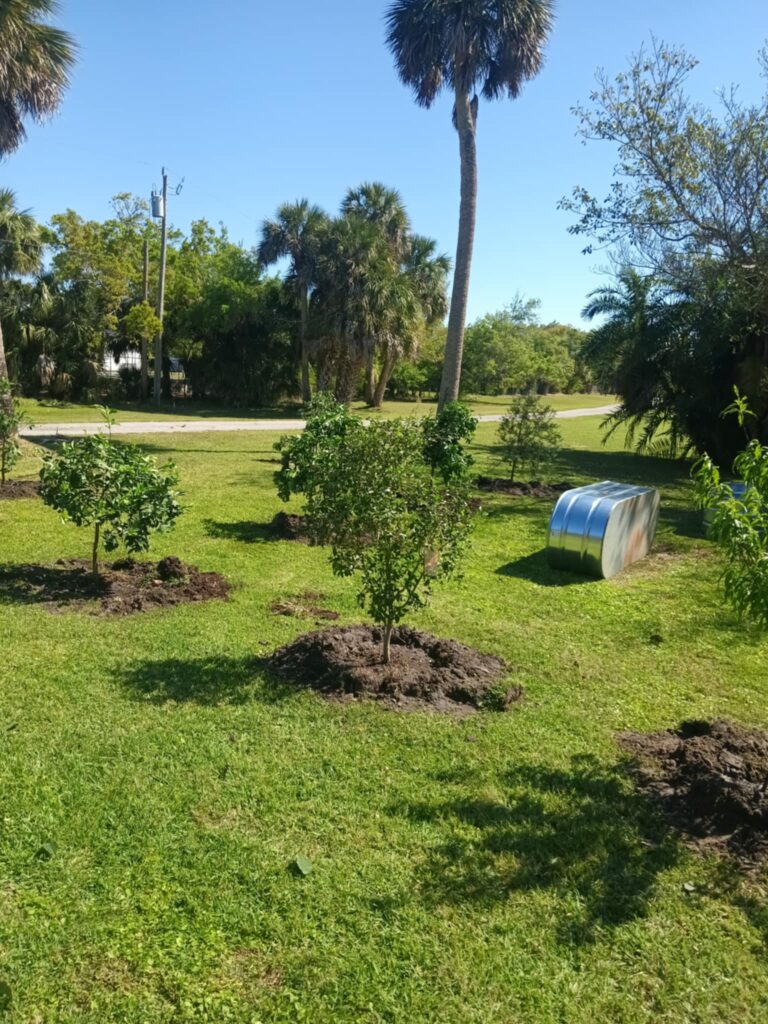
Loquat Trees Produce Fruit When Few Other Trees Do
Loquat trees produce fruit during a season when most backyard trees have nothing to offer. The tree blooms in the fall, sets fruit through winter, and ripens its crop in late winter and early spring. That timing puts fresh fruit in your yard months before mangoes, peaches, or citrus hit their stride. Each loquat is small and round, with smooth yellow to orange skin and soft flesh inside. The flavor lands somewhere between a sweet apricot and a mild citrus, with a gentle tang behind the sweetness. A healthy mature tree can produce a heavy crop, often more than a single family can eat fresh. The extra fruit works well in jams, pies, and preserves, so nothing has to go to waste. This early harvest is one of the strongest reasons Central Florida homeowners add a loquat to the yard.
The fruiting habit of a loquat rewards a little patience in the early years. A grafted tree from a nursery often begins bearing within two to three years of planting. Trees grown from seed take longer and can produce fruit that differs from the parent, which is why grafted stock is the better choice. We grow named varieties selected for good flavor, reliable fruiting, and strong growth in Florida conditions. Once a loquat starts bearing, it returns a crop year after year with only basic care. Light pruning after harvest keeps the tree open and encourages a fresh round of growth for the next season. A steady feeding schedule through spring and summer supports the flowers that form in the fall. With this simple routine, a single loquat can supply your family with fruit every spring for decades.
Loquat fruit does not ship or store well, which is exactly why growing your own makes sense. Grocery stores rarely carry loquats, since the soft fruit bruises easily and has a short shelf life. That scarcity turns a backyard loquat into a real treat that most people never get to taste. Picked ripe from your own tree, the fruit reaches a sweetness that store shelves simply cannot match. Children often love picking loquats, since the fruit hangs in easy reach on a modest sized tree. The short window of ripeness makes the spring harvest feel special, arriving and passing within a few weeks. Neighbors and friends usually welcome the surplus, which makes a loquat a friendly addition to any street. Growing a tree that gives fruit no store carries is a reward that keeps paying off each spring.
Loquat Trees Add Shade and Structure to a Florida Yard
Loquat trees add shade and structure to a Florida yard on top of the fruit they bear. The dense evergreen canopy blocks sun through the whole year, unlike trees that drop their leaves in fall. That steady shade helps cool a patio, a walkway, or a stretch of lawn during the long Florida summer. A loquat also serves as a privacy screen, since the thick foliage sits low enough to block sightlines. The tree stays a moderate size, so it fits near a house without threatening the roof or the foundation. Its rounded shape and broad leaves give a yard a full, finished look that many thin ornamentals lack. Planted in a row, loquats form a living hedge that softens a fence line and muffles road noise. This dual role as shade tree and fruit tree makes the loquat a practical pick for a working yard.
The size of a loquat is one of its most useful traits for a standard residential lot. Most trees settle in around fifteen to twenty five feet, which suits the average Central Florida yard. That height gives useful shade without the maintenance headaches that come with a towering shade tree. Pruning keeps the canopy at whatever height you prefer, making harvest and cleanup easy from the ground. The root system stays modest as well, so a loquat rarely disturbs pavers, pipes, or nearby structures. Homeowners can place one near a deck or a seating area and enjoy both the shade and the spring fruit. The tree also works as a focal point in a front yard, drawing the eye with its full green form. Few fruit trees offer this much visual value while staying small enough for everyday spaces.
The evergreen habit of a loquat keeps a yard looking alive through every month of the year. Deciduous trees leave bare branches and bare ground through winter, which many homeowners dislike. A loquat holds its glossy green leaves straight through, so the yard never turns brown or empty. In the fall, clusters of fragrant cream colored flowers open across the canopy, adding a soft scent to the air. Those blooms draw bees and other pollinators during a season when few other plants are flowering. By late winter, the green fruit begins to swell, giving the tree yet another stage of interest. This appeal in every season means a loquat earns its keep long before and after the short harvest. For a yard that should look good all year, the loquat is hard to beat.
How to Plant and Care for Loquat Trees in a Florida Yard
Planting and caring for loquat trees in a Florida yard takes far less work than most people expect. The tree asks for a sunny spot, soil that drains well, and steady water during its first year. After that, a loquat mostly takes care of itself, needing only light pruning and seasonal feeding. Summer is a good time to get a young tree in the ground, since the rains handle much of the watering. The right planting depth and a layer of mulch set the tree up for years of healthy growth. A basic feeding and pruning routine keeps the canopy full and the harvest strong. Our team offers free delivery and planting estimates, and you can see all of our fruit trees online before you decide. The sections below cover timing, watering, feeding, and pruning in plain terms.
The Best Time to Plant Loquat Trees in Florida
The best time to plant loquat trees in Florida falls across a wide window, which makes the tree forgiving for busy homeowners. Central Florida stays mild enough that loquats can go in the ground almost any month of the year. Summer planting works well, since the daily rains keep a young tree watered while its roots spread out. The warm soil of the season also pushes fast root growth, helping the tree settle in before winter. A tree planted now has months to establish before the fall bloom and the spring harvest arrive. The main task during a summer planting is keeping the root zone moist between rain showers. A thick ring of mulch holds that moisture and shields the young roots from the peak heat. With steady water and a good spot, a summer planted loquat gets off to a strong start.
Choosing the right location matters as much as the timing when you plant a loquat. The tree wants at least six hours of direct sun each day to fruit at its best. Full sun produces the heaviest crop, though a loquat still grows in a spot with light afternoon shade. Good drainage ranks near the top of the list, since soggy roots invite rot and disease. A slightly raised bed or a natural high point in the yard helps water move away from the base. Give the tree room to spread, keeping it several feet from walls, fences, and other trees. Avoid low areas where rain collects and sits, as loquats dislike standing water around the roots. A sunny spot with good drainage and open air sets the stage for years of healthy growth.
Planting depth is a detail that decides how well a young loquat takes hold. Dig a hole about twice as wide as the root ball but no deeper than the ball itself. Set the tree so the top of the root ball sits level with or slightly above the surrounding soil. Planting too deep traps moisture against the trunk and can rot the base over time. Backfill with the native soil, firming it gently to remove air pockets around the roots. Water the tree deeply right after planting to settle the soil and hydrate the roots. Add mulch in a ring around the trunk, keeping it a few inches away from the bark itself. These basic steps give a new loquat the footing it needs to grow for decades.
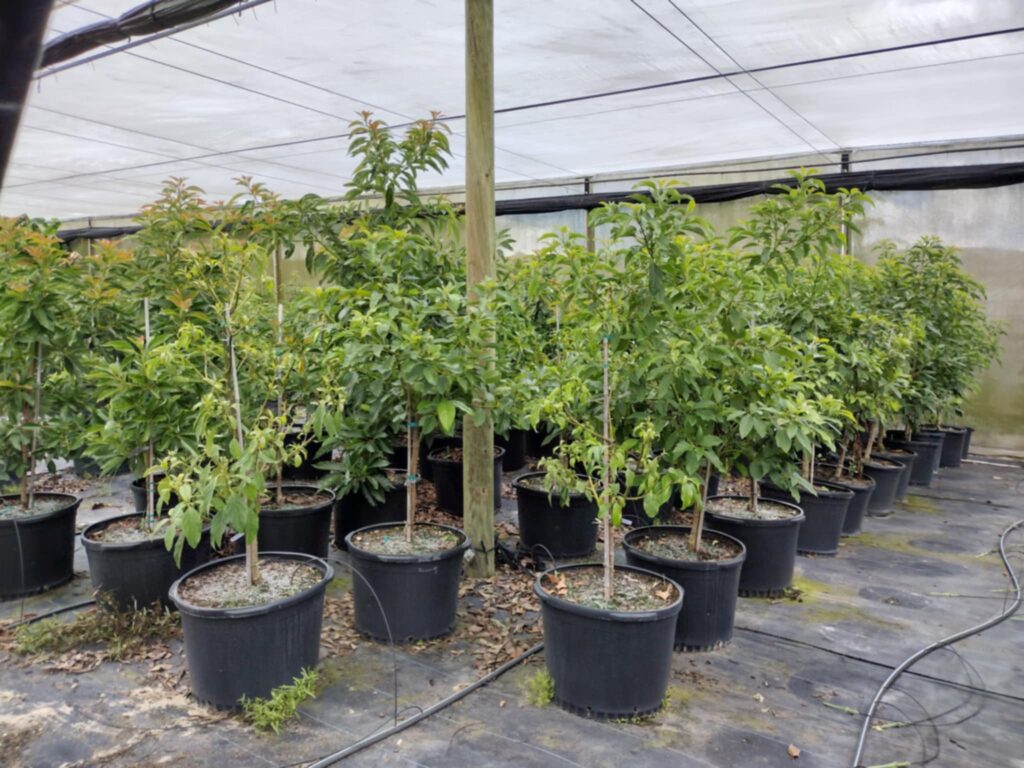
Watering and Feeding Loquat Trees in a Florida Yard
Watering and feeding loquat trees the right way keeps a Florida yard tree healthy and productive. A newly planted loquat needs regular water, roughly two or three times a week through the first summer. Deep, slow watering encourages the roots to grow down, which builds a stronger, tougher tree. The summer rains often cover much of this need, so check the soil before adding more water. Soil that feels dry a few inches down signals the tree is ready for a drink. Once established, a loquat handles dry spells well and needs watering only during long stretches without rain. Too much water causes more harm than too little, since standing water rots the roots quickly. A simple finger check of the soil takes the guesswork out of a watering schedule.
Feeding a loquat on a light schedule supports steady growth and a full harvest. A balanced fruit tree fertilizer works well, applied two or three times through the growing season. Spring and summer are the key feeding windows, when the tree puts on new leaves and shoots. A feeding in early fall supports the flowers that form ahead of the winter fruit set. Spread the fertilizer evenly under the canopy, then water it in to carry the nutrients to the roots. Avoid piling fertilizer against the trunk, as the concentrated feed can burn the bark. Young trees take smaller, more frequent feedings, while mature trees need less to stay productive. A steady feeding routine through the year keeps a loquat green, vigorous, and full of fruit.
Mulch plays a quiet but important role in watering and feeding a loquat. A two to three inch layer of mulch holds moisture in the soil and cuts down on watering. The mulch also breaks down slowly, feeding the soil and the tree over time. It keeps weeds down, so grass and weeds do not compete with the tree for water and nutrients. Spread the mulch in a wide ring, out to the edge of the canopy where the feeder roots live. Leave a gap around the trunk itself, since mulch against the bark holds moisture that invites rot. Refresh the layer once or twice a year as the old mulch breaks down into the soil. This small habit pays off with a healthier tree and a lighter watering load.
Pruning and Protecting Loquat Trees in Florida
Pruning and protecting loquat trees keeps them healthy and productive across a Florida yard. Loquats need only light pruning, which makes them easier to manage than many fruit trees. The best time to prune is right after the spring harvest, before the tree pushes new growth. Remove any dead, damaged, or crossing branches to open the canopy and improve airflow. Thinning the center lets sunlight reach the inner branches, which supports better fruiting. Keeping the tree at a lower height also makes the next harvest easier to reach from the ground. Avoid heavy pruning in the fall, since that can cut off the branches about to bloom. A light trim at the right time keeps a loquat open, healthy, and easy to pick from.
Protecting a loquat from pests and disease takes only a little attention through the year. The tree resists most problems, though a few pests show up in Florida yards now and then. Fungal leaf spot can appear in the humid summer, showing as dark marks on the leaves. Good airflow and careful watering at the base, not the leaves, keep most fungal issues away. Birds enjoy ripe loquats, so netting can protect the crop during the short spring harvest. Fire blight sometimes strikes loquats, causing blackened shoots that should be pruned out and removed. Cleaning your pruning tools between cuts stops disease from spreading branch to branch. A quick check every few weeks catches most trouble before it spreads across the tree.
Cold protection matters most for young loquats during their first few winters. Central Florida sees only brief freezes, yet a hard night can nip a small tree. A frost cloth draped over the canopy holds warmth during the coldest hours. Watering the soil before a freeze also helps, since moist ground releases heat overnight. A ring of mulch shields the roots from the worst of the cold. Mature loquats rarely need this help, having the size and hardiness to handle short cold spells. The fall blooms and winter fruit carry the most risk, so watch the forecast during a cold snap. A few simple steps carry a young loquat safely through its early Florida winters.
Why You Should Add a Loquat Tree to Your Florida Yard This Year
A loquat tree gives a Florida yard shade all year, fall flowers, and a spring harvest that few other trees can match. The tree fits the local climate, stays a manageable size, and asks for very little care once it settles in. Summer is a smart time to plant, so the tree can establish before the fall bloom and the spring fruit. Our nursery grows healthy loquat trees in named varieties chosen to thrive in Central Florida conditions. We also offer free delivery and planting estimates, which takes the hard work off your hands. Reach out today to find the right loquat for your yard and get it planted this season.
Get a Free Estimate for Loquat Tree Delivery and Planting
Getting a loquat tree into your yard starts with a free delivery and planting estimate from our team. We handle the heavy lifting, from loading the tree to setting it in the ground at the right depth. Our crew knows the soil and climate across Lake County and the surrounding towns. That local knowledge means your tree goes in the right spot with the right start. A quick call gets your estimate started and your tree on the way. There is no cost to learn what your project would take.
A professional planting gives a young loquat the best possible footing. We check the drainage, dig to the right width, and set the tree at the correct depth. Proper mulching and a deep first watering finish the job and protect the roots. This care in the first days pays off with faster growth and a stronger tree. We serve homeowners across Clermont, Winter Garden, Groveland, The Villages, and nearby areas. Our estimates are free, so you can plan your yard with the full picture in hand.
A loquat is one of the easiest fruit trees to add to a Central Florida property. The tree returns shade, flowers, and fruit for very little upkeep in return. Planting one this summer sets the stage for a first harvest within a few short years. Our team makes the whole process simple from start to finish. We answer your questions and match you with a tree suited to your yard. All it takes to begin is one phone call.
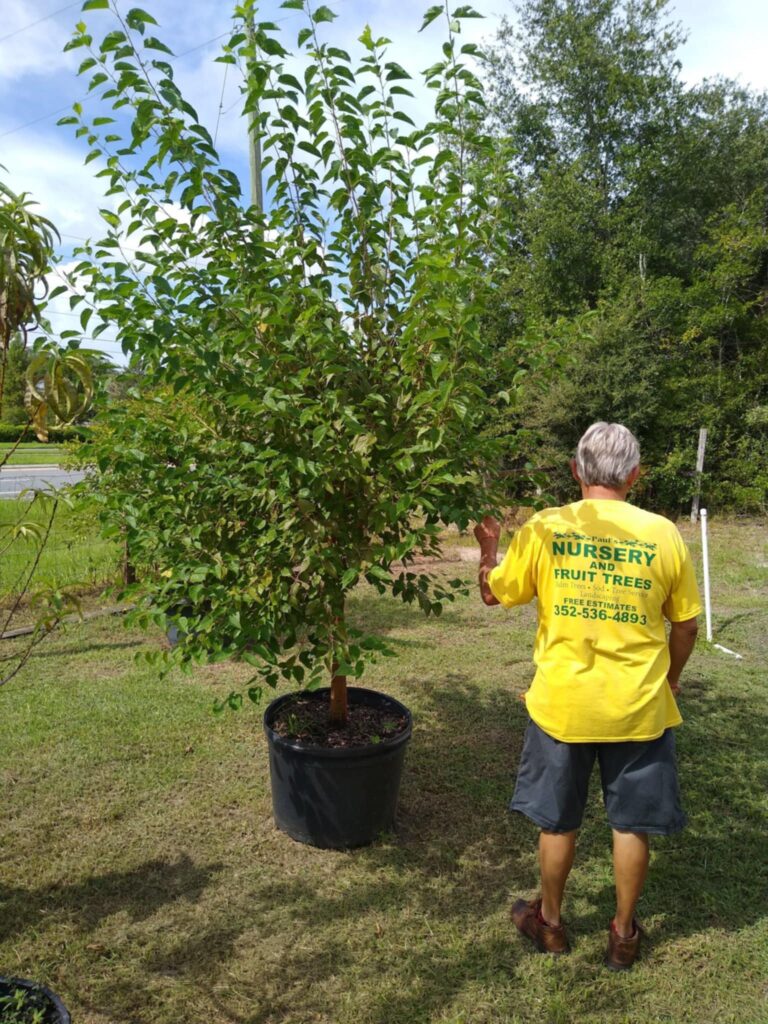
Choosing Healthy Loquat Trees From a Local Nursery
Choosing healthy loquat trees from a local nursery gives you a head start over big box stock. Our trees grow in Central Florida soil and climate, so they are already suited to your yard. We grow grafted, named varieties that fruit sooner and more reliably than seed grown trees. Each tree gets checked for strong roots, clean leaves, and steady growth before it leaves the nursery. A healthy start means fewer problems and a faster path to that first spring harvest. That quality is the difference a local grower brings to your yard.
A local nursery offers something a chain store cannot: honest advice from people who know the trade. We help you match the right loquat variety to your yard, your soil, and your goals. Our team answers questions about spacing, sun, and care in plain terms. That guidance saves you from the common mistakes that stunt a young tree. We would rather send you home with the right tree than the most expensive one. This honest approach has kept families coming back to us for generations.
Buying local also means support long after the sale is done. If a question comes up months later, our team is a short call away. We stand behind the trees we grow and the advice we give. That kind of service is hard to find at a warehouse garden center. Our roots in the community run as deep as the trees we sell. A local nursery treats your yard like a long project, not a one time sale.
Why Choose Paul’s Nursery for Loquat Trees
Homeowners choose Paul’s Nursery for loquat trees because of our long track record and honest service. Our family has grown fruit trees for more than a century and a quarter of tradition. That experience shows in the health and quality of every tree we sell. We know which loquat varieties thrive in Central Florida and which to skip. That knowledge steers you toward a tree that will fruit for decades. When you buy from us, you get more than a tree; you get the knowledge to keep it thriving.
We focus on healthy trees, honest recommendations, and real help for local homeowners. Our team wants your loquat to succeed, so we point you to the right variety and the right care. Free delivery and planting estimates make it easy to add a tree without the hassle. We serve Clermont, Winter Garden, The Villages, Groveland, and the surrounding communities. Our nursery sits at 13844 Equestrian Dr in Groveland, ready for you to visit. Come see our loquats and the rest of our fruit trees in person.
Adding a loquat to your yard is an easy way to gain shade, flowers, and a spring harvest for years to come. Our team makes the process simple, from picking the tree to planting it in the right spot. We bring more than a century of family experience to every yard we serve. Summer is a great time to plant, so your loquat can settle in before the fall bloom. Browse our loquat trees online to see what we have ready this season. Call Paul’s Nursery today at (352) 536-4893 to get your free estimate and bring home a loquat tree.