What Makes Star Fruit Trees a Standout Choice for a Tropical Backyard
Star fruit trees bring a true tropical presence to any Central Florida backyard. The fruit grows in a ribbed shape that forms a clean star pattern when you slice it crosswise, which makes it one of the most recognizable fruits you can grow at home. Homeowners across Lake County and the surrounding areas plant these trees for their steady production, their glossy green canopy, and their ability to fruit more than once each year. Star fruit, also called carambola, comes from Southeast Asia and adapts well to the warm and humid conditions found throughout the region. A healthy tree can produce hundreds of fruit in a single season once it reaches maturity. The flavor ranges from sweet to slightly tart depending on the variety you choose. Many families enjoy eating the fruit fresh, slicing it into salads, or pressing it into juice. For anyone building a backyard orchard, this tree earns its place with both looks and yield. Paul’s Nursery helps homeowners select, plant, and care for these trees so they thrive for decades.
Why Star Fruit Trees Thrive in Central Florida Backyards
Central Florida sits in a climate zone that suits many tropical fruit trees, and star fruit ranks among the strongest performers. The region offers long warm seasons, plenty of sunlight, and the kind of humidity these trees prefer. Star fruit trees grow steadily once established, often reaching a manageable height that fits well in a residential yard. They respond to good soil and consistent moisture with heavy crops and dense foliage. Cold snaps remain the main concern, since young trees need protection during the occasional winter freeze. With the right placement and care, a star fruit tree settles into a Groveland or Clermont backyard with little trouble. The sections below explain the climate, soil, and care needs that help these trees reach their full potential.
How Star Fruit Trees Handle the Central Florida Climate
Star fruit trees grow best in warm regions that stay frost free for most of the year, and Central Florida fits that description for the majority of seasons. The trees originate from tropical parts of Southeast Asia, so they thrive in the heat and humidity that define summers here. During the warm months, a mature tree pushes out new growth quickly and sets fruit on a regular cycle. The long growing season gives the tree time to ripen multiple rounds of fruit before cooler weather arrives. Daytime temperatures in the 80s and 90s pose no problem for an established carambola. Even the heavy summer rains suit the tree, provided the soil drains well and does not hold standing water. This natural fit with the local climate explains why so many area homeowners succeed with star fruit. The match between tree and region is a major reason it remains a top backyard pick.
Cold weather is the one factor that demands attention in this part of the state. Mature star fruit trees can tolerate brief dips into the high 20s with some leaf damage, but young trees suffer at temperatures near freezing. A hard freeze can injure branches, kill new growth, and set a young tree back by a full season. For this reason, growers plant star fruit in a spot that holds warmth, such as the south side of a home or near a wall that blocks cold wind. During a freeze warning, covering a young tree with frost cloth and adding a safe heat source helps protect the trunk and lower limbs. As the tree matures and develops a thicker trunk, it gains more tolerance for short cold events. Smart placement at planting time saves a great deal of worry later. A few minutes of preparation before a cold front protects years of growth.
Wind is another element worth considering when you plant a star fruit tree. The branches are somewhat brittle, and strong gusts can snap limbs that carry a heavy fruit load. A sheltered location protects the canopy and keeps fruit from dropping early. Many homeowners plant near a fence line, a structure, or a cluster of larger trees that break the force of storms. Central Florida sees its share of summer thunderstorms and the occasional tropical system, so this protection matters. Staking a young tree during its first year also helps it establish a strong root system. With a thoughtful site choice, the tree weathers the local conditions and rewards you with steady fruit. The right spot turns a fragile young tree into a sturdy producer over time.
The Soil and Sunlight Star Fruit Trees Need in a Florida Backyard
Sunlight drives fruit production in star fruit trees, so full sun is the goal for any planting site. A spot that receives at least six to eight hours of direct light each day produces the best results. Trees grown in shade tend to stretch, set less fruit, and develop a thinner canopy. In a typical Florida yard, an open area away from tall buildings and large shade trees works well. Morning sun is especially valuable because it dries the foliage and reduces fungal issues. The more light the canopy receives, the sweeter and more abundant the fruit becomes. Placing the tree where it gets unobstructed light pays off every harvest. Good sun exposure is the single biggest driver of a heavy crop.
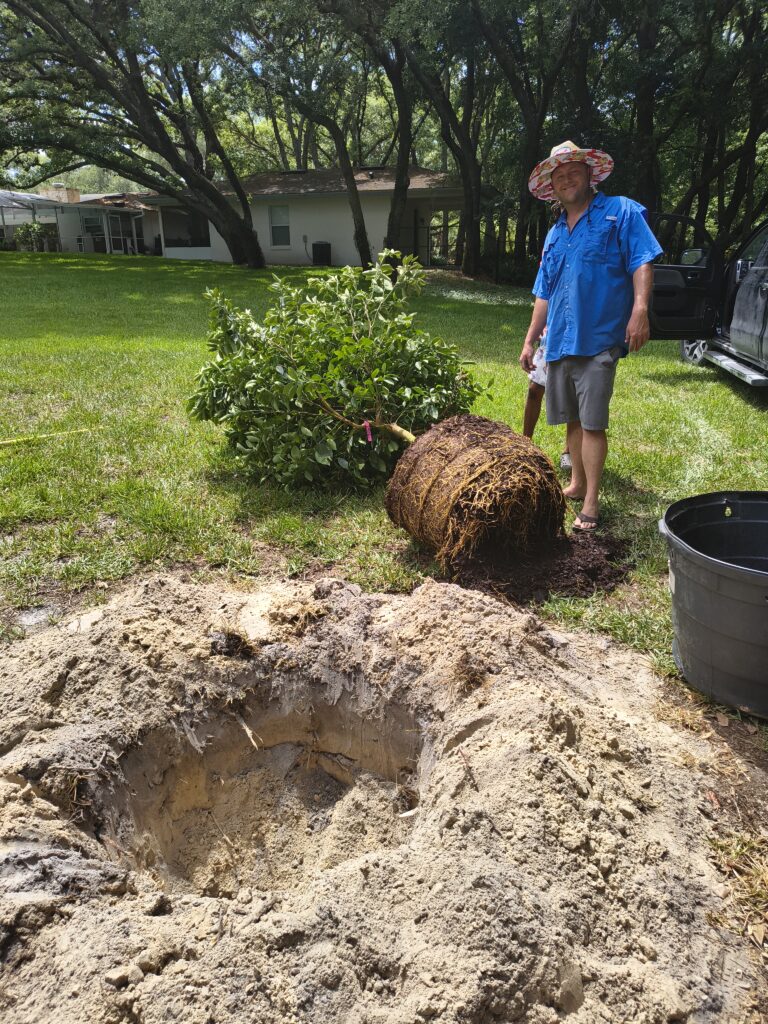
Soil quality matters just as much as sunlight for a thriving star fruit tree. These trees prefer ground that drains freely and never stays soggy for long. The sandy soils common across Florida actually suit carambola well, since they let water pass through quickly. Heavy clay or low spots that collect water can cause root rot and slow growth. Amending the planting hole with compost or aged organic matter improves both nutrition and structure. A slightly acidic to neutral soil pH supports healthy nutrient uptake. Testing the soil before planting helps you correct any issues early. A little soil work at the start prevents many headaches later.
Mulch plays a quiet but important role in keeping a star fruit tree healthy. A layer of organic mulch spread around the base holds moisture, moderates soil temperature, and suppresses weeds. Keep the mulch a few inches away from the trunk to prevent rot and pest problems. As the mulch breaks down, it feeds the soil and supports the shallow feeder roots near the surface. Refreshing the mulch once or twice a year keeps the root zone in good shape. Combined with the right soil and sunlight, this simple step builds a strong foundation for the tree. The result is a tree that establishes faster and produces more.
Watering and Feeding Star Fruit Trees for a Productive Backyard
Consistent watering keeps a star fruit tree healthy and supports steady fruit set. Young trees need regular moisture during their first two years as the roots spread and establish. A deep soaking two or three times a week works better than light daily sprinkles, since it encourages roots to grow downward. During dry spells and the hot summer months, the tree may need extra water to prevent stress. Once established, a mature tree handles short dry periods but still produces more with reliable irrigation. Drip lines or soaker hoses deliver water right to the root zone and reduce waste. Watching the soil moisture and the leaves tells you when the tree needs a drink. Steady moisture, not flooding, is the goal throughout the season.
Feeding a star fruit tree on a regular schedule fuels its growth and fruit production. A balanced fertilizer formulated for fruit trees provides the nitrogen, phosphorus, and potassium the tree uses. Many growers apply small amounts several times during the growing season rather than one large dose. Micronutrients such as iron, zinc, and manganese matter in Florida soils, which often run short on these elements. Yellowing leaves with green veins often signal a micronutrient shortage that a foliar spray can correct. Avoid heavy feeding in late fall, since soft new growth is more vulnerable to cold damage. A steady feeding routine keeps the canopy green and the fruit coming. Balanced nutrition over the season beats one big push of fertilizer.
Pruning rounds out the care routine for a productive star fruit tree. Light pruning keeps the canopy open, improves air flow, and makes harvest easier. Removing dead or crossing branches reduces pest and disease pressure. Many homeowners keep their trees pruned to a height that allows picking from the ground. The best time to prune falls after a harvest and before the next flush of growth. With proper water, feeding, and pruning, a star fruit tree stays productive for many years. These small habits add up to a tree that performs season after season. Ready to bring this tropical tree to your yard? Click here to see our star fruit trees for sale.
What Makes Star Fruit Trees a Standout Choice for Home Growers
Plenty of fruit trees grow in Central Florida, yet star fruit holds a special place for several reasons. The tree produces a steady supply of fruit, often more than once a year, which means a longer harvest window than many other species. The fruit itself stands out for its shape, its mild sweet flavor, and its high vitamin C content. Star fruit trees stay a manageable size, fit into smaller yards, and even grow well in large containers. They ask for less fuss than some tropical trees once they settle in. For a homeowner who wants a reliable and attractive addition to a backyard orchard, the choice makes sense. The sections below break down the traits that set this tree apart.
The Fruit Production That Makes Star Fruit Trees a Standout Choice
Few backyard fruit trees match the production of a healthy star fruit tree. A mature carambola can set fruit two to three times in a single year under Florida conditions. Each cycle can yield dozens to hundreds of fruit depending on the age and health of the tree. This extended harvest gives a family fresh fruit across many months rather than a single short window. The tree often carries flowers and fruit at the same time, which spreads the picking over weeks. A single established tree can easily supply a household with more fruit than it can eat fresh. Many growers share the surplus, freeze it, or turn it into juice and preserves. That kind of output is rare among backyard trees of this size.
The fruit ripens to a golden yellow and develops its full flavor on the tree. Sweet varieties offer a mild taste with hints of citrus and apple, while tart types bring a brighter, more acidic note. The entire fruit is edible, including the thin waxy skin, so there is no peeling required. Sliced crosswise, each piece forms a clean star shape that makes a striking addition to a plate. The crisp texture holds up well in salads, on grilled dishes, and as a fresh snack. Star fruit also carries a good dose of vitamin C and antioxidants. People with kidney concerns should talk with a doctor before eating it, since the fruit contains compounds that can affect those patients. For most households, though, it is a simple and healthy treat straight from the yard.
Timing the harvest correctly brings out the best flavor in star fruit. The fruit reaches peak sweetness when the ribs turn yellow and the green tint fades. Picking slightly early and ripening on the counter also works well for sweet types. Once ripe, the fruit keeps for several days at room temperature and longer in the refrigerator. Regular harvesting encourages the tree to keep producing through its cycle. A well managed tree rewards the effort with fruit that tastes far better than store bought options. Fresh picked star fruit simply has a flavor that grocery store fruit cannot match.
The Low Maintenance Habit That Makes Star Fruit Trees a Standout Choice
Once a star fruit tree establishes itself, it asks for less attention than many tropical fruit trees. The tree resists most common pests and diseases when grown in a sunny, well drained spot. Routine care comes down to watering, feeding, light pruning, and cold protection in winter. Carambola does not require a second tree for pollination, since the flowers self pollinate. This means a single tree can produce a full crop on its own. The compact size keeps maintenance tasks within easy reach from the ground. For a busy homeowner, this lower workload adds to the appeal. A productive tree that needs little babysitting is a strong value.
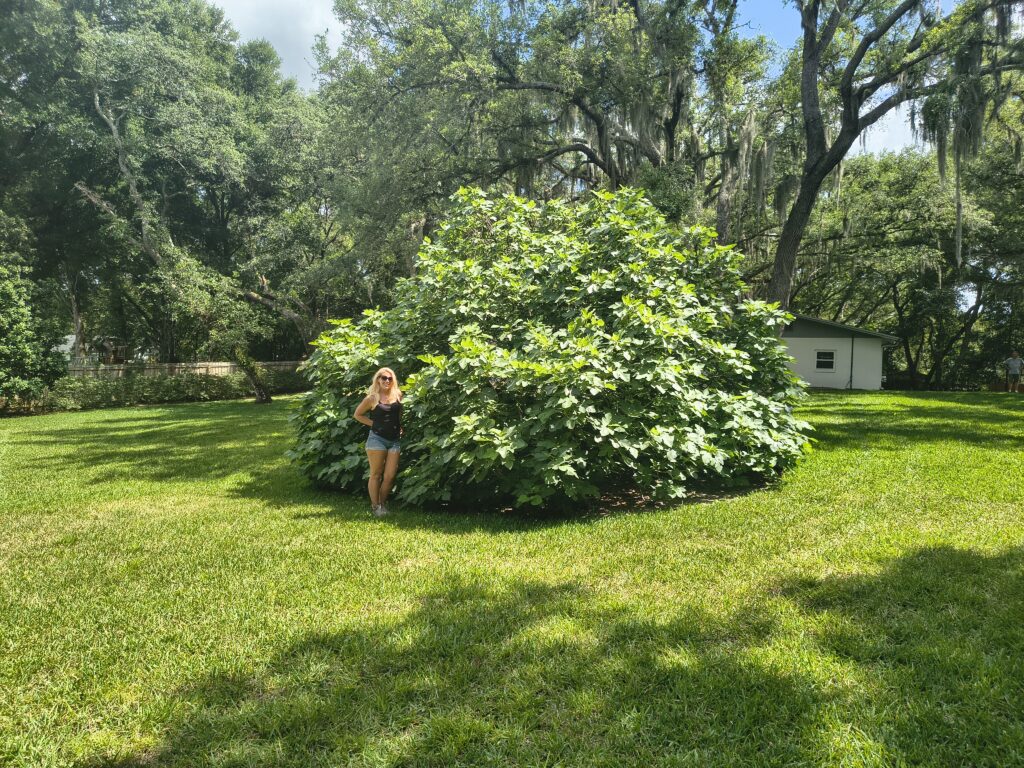
The manageable size of a star fruit tree makes it a practical choice for a typical yard. With light pruning, the tree stays in the range of ten to fifteen feet, which suits most residential lots. It does not cast the heavy shade or develop the aggressive roots that some large trees create. Homeowners with limited space can grow the tree in a large container on a patio or near a pool. Container growing also lets you move the tree to shelter during a freeze. The dense green canopy adds a tropical look that holds its leaves through most of the year. This blend of beauty and practicality fits the goal of a backyard orchard. A small footprint with a big payoff is exactly what most growers want.
Pest pressure on star fruit trees stays low compared with many fruit crops. Fruit flies and a few scale insects can appear, but good sanitation and simple controls keep them in check. Picking up fallen fruit and keeping the area clean removes most pest habitat. Healthy, well fed trees shrug off minor problems on their own. A quick check of the canopy now and then catches any issue early. This durability is a big part of what makes the tree a smart pick for home growers. Fewer problems mean more time enjoying the harvest.
The Best Star Fruit Tree Varieties for a Standout Tropical Backyard
Choosing the right variety sets the tone for your star fruit experience. Arkin is the most widely planted variety in Florida and a reliable starting point for most yards. It produces sweet, crisp fruit in heavy crops and holds up well to handling. Kary is another popular sweet variety known for its juicy, flavorful fruit. Fwang Tung offers large fruit with a mild, sweet taste that many growers enjoy fresh. Sri Kembangan ripens to a deep color and brings rich sweetness to the table. Each of these performs well in the Central Florida climate. A proven variety gives you a confident start.
Sweet varieties suit most home growers who want fruit for fresh eating. Tart types exist as well, and they shine in cooking, juicing, and preserves. The flavor difference comes down to sugar and acid levels in the fruit. Some growers plant more than one variety to spread the harvest and enjoy a range of tastes. Fruit size, ribbing, and ripening time vary from one variety to the next. A nursery can match a variety to your taste and your space. Starting with a proven cultivar reduces guesswork and speeds your first harvest. The right pick depends on how you plan to use the fruit.
Buying a grafted tree from a trusted nursery gives you the best start. Grafted trees fruit sooner and stay true to the parent variety, unlike seed grown trees. A healthy young tree with a strong root system and clean foliage establishes faster. Our team helps you pick a variety that fits your goals and your yard conditions. We grow our trees for the local climate, so they arrive ready to thrive. The right variety, planted well, becomes a standout feature in any tropical backyard. A good tree today turns into years of fruit tomorrow. Want to compare tropical options for your yard? Click here to browse all of our fruit trees for sale.
Why You Should Plant a Star Fruit Tree in Your Yard This Summer
Summer is a strong time to plant a star fruit tree in Central Florida. The warm soil and frequent rain help a young tree settle in and grow roots quickly. Planting now gives the tree months of warm weather to establish before the first cool nights. A tree that goes in the ground during the growing season often reaches fruiting age faster. Paul’s Nursery makes the process simple from selection through planting. Our team handles the hard parts so you can enjoy the results.
When to Plant a Star Fruit Tree for the Best Backyard Results
The warm season offers the ideal window to plant a star fruit tree in this region. From late spring through summer, soil temperatures stay high and rainfall comes often. These conditions push fast root growth and reduce transplant stress. A tree planted in summer has the longest possible runway before winter arrives. That head start translates into a stronger, more established tree by the time cold weather sets in. Planting during the active growing season gives the best odds of success.
Site preparation matters as much as timing when you plant a star fruit tree. Choosing a sunny, sheltered, well drained spot sets the tree up for years of production. Digging a wide hole and loosening the surrounding soil helps the roots spread. Adding compost and watering deeply right after planting reduces shock. A little planning at the start prevents many problems down the road. The site you choose now shapes the harvests to come.
After planting, the first year focuses on establishment rather than fruit. Regular watering, light feeding, and weed control help the young tree build strength. Protecting it from any winter freeze during this stage is critical. By the second year, the tree typically begins to settle into a steady growth pattern. Patience in the early stage pays off with reliable harvests later. The groundwork you lay early sets the tree up for the long haul.
How Professional Planting Helps Your Star Fruit Tree Succeed
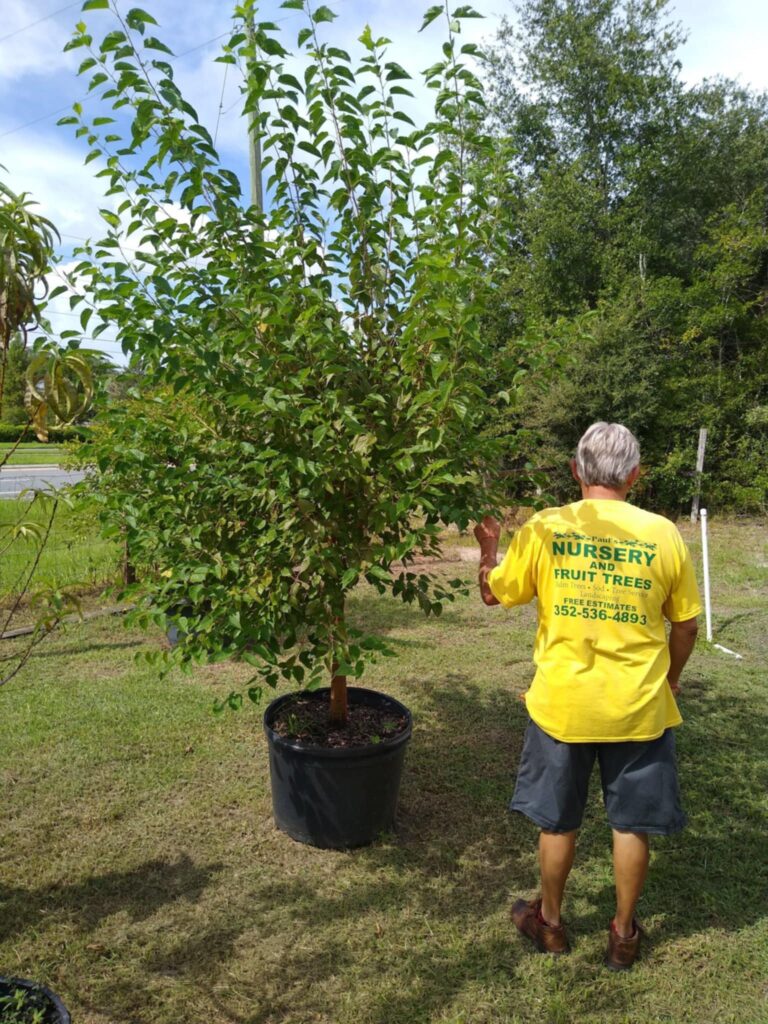
Professional planting takes the guesswork out of starting a star fruit tree. Our team knows the local soil, climate, and the spots where these trees perform best. We choose the right location, prepare the soil, and set the tree at the correct depth. Proper planting depth and soil contact prevent many early problems. A strong start gives the tree the foundation it needs to thrive.
We also offer delivery and planting so you do not have to move a heavy tree on your own. Free estimates for delivery and planting let you plan with no surprises. Our crew positions the tree, backfills the hole, and waters it in properly. We share clear care instructions so you know exactly what to do next. This service saves time and protects your investment from day one.
Beyond planting, our team stays available to answer questions as your tree grows. We help with watering schedules, feeding, pruning, and cold protection. Honest recommendations guide you toward choices that fit your yard and your goals. Our support runs across Clermont, Winter Garden, The Villages, and the nearby areas we serve. That ongoing help continues long after the tree goes in the ground.
Why Choose Paul’s Nursery for Your Star Fruit Tree
Paul’s Nursery brings more than 125 years of family nursery tradition to every tree we sell. That experience shows in the health and quality of our star fruit trees. We grow trees suited to Central Florida, so they adapt quickly to local yards. Families across Clermont, Winter Garden, The Villages, and nearby areas trust us for honest advice. We focus on helping homeowners build backyard orchards that last.
Our approach centers on honest recommendations rather than a hard sell. We listen to your goals, look at your space, and suggest the right tree for the job. You get a healthy tree, clear guidance, and ongoing support. Free estimates for delivery and planting make the whole process easy. We treat every customer like part of the family.
A star fruit tree from Paul’s Nursery becomes a standout feature in your tropical backyard for years to come. We invite you to visit us at 13844 Equestrian Dr in Groveland to see our trees in person. Ready to add a star fruit tree to your yard? Click here to view our star fruit trees. Our team is happy to answer your questions and help you choose the perfect tree. Call us today at (352) 536-4893 to get started on your backyard orchard.