How to Grow Pomegranate Trees and When to Expect Your First Harvest
Pomegranate trees reward Central Florida gardeners with bright orange flowers, glossy green leaves, and fruit packed with rich flavor and nutrition. The plant handles heat with ease, shrugs off dry spells once it settles into the ground, and fits both wide open yards and tighter corner spaces. Most homeowners ask the same two questions before they plant one: how do you grow a healthy tree, and when does that first crop finally arrive? Both answers come down to sun, soil, steady water, and a reasonable amount of patience. A pomegranate placed in the right spot can keep producing fruit for decades, often outliving the gardener who first planted it. This guide walks through the full growing process step by step, starting at site selection and ending on the day you twist your first ripe fruit off the branch. You will also learn the honest timeline for fruit, since young trees spend their early years building roots and wood before they ever set a full crop. By the end, you will know exactly what your tree needs through every season here in our area.
How to Grow Pomegranate Trees in Central Florida
Growing pomegranate trees in Central Florida starts with understanding what the plant actually wants, then matching your yard to those needs. Pomegranates come from hot, sunny climates, so our long warm season suits them better than many fruit trees you might consider. The tree is deciduous, which means it drops its leaves during winter and pushes fresh new growth each spring. It tolerates the short cold snaps that move through our zone 9 climate, and it recovers fast once temperatures climb again. Strong results come from four basics: full sun, soil that drains freely, consistent water during fruit set, and light yearly pruning. Handle those four things well and the tree mostly cares for itself with little fuss. Neglect them and you may see weak shoots, very few flowers, or fruit that cracks open before it ever ripens. The sections below break down each requirement in detail so you can give your tree a long and productive life. Ready to get started? Browse our pomegranate trees for sale and choose a healthy young tree raised for Florida conditions.
The Best Site to Grow Pomegranate Trees
The best site to grow pomegranate trees begins with full sun, and this single factor decides more about your harvest than anything else. Pomegranates need at least six to eight hours of direct light every day to flower heavily and set a strong crop. A tree tucked into shade will grow leaves and stay green, yet it will produce only a handful of small fruit at best. Watch your yard across an entire day before you dig, since the sun pattern in June looks different from the pattern in December. Pick the brightest open area you have, well away from tall buildings and the dense canopy of larger shade trees. South facing and west facing spots usually collect the most light through the day. The reward for choosing a bright location shows up every fall when the branches bend under ripe fruit.
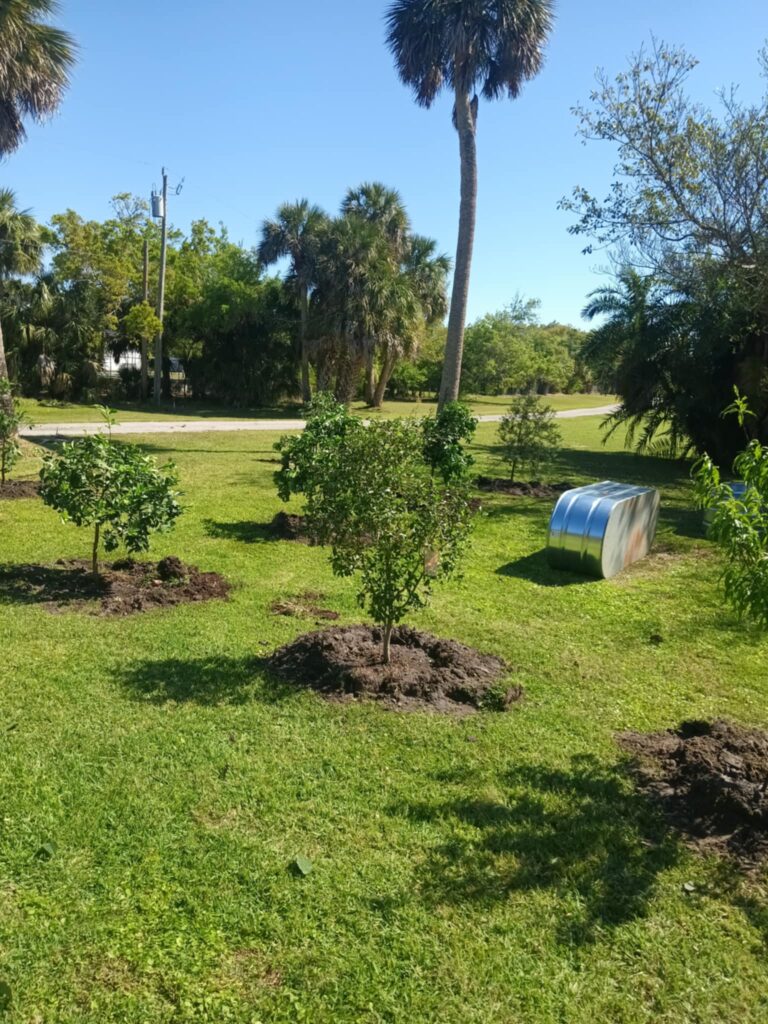
Spacing and airflow matter just as much as sunlight when you select the best site to grow pomegranate trees. Give a standard tree roughly twelve to fifteen feet of open room so the canopy can spread without crowding fences, walls, or other plants. Good air movement around the leaves keeps them dry after our frequent summer rains, and dry leaves resist the fungal problems that thrive in still, humid pockets. Crowded trees compete for light and water, which weakens every plant in the group and lowers the whole yield. If you want a hedge or a row, plant a little farther apart than you think you need rather than closer. Mark the spacing on the ground first so the layout looks right before any roots go in. Planning the layout now saves you from digging up a mature tree later.
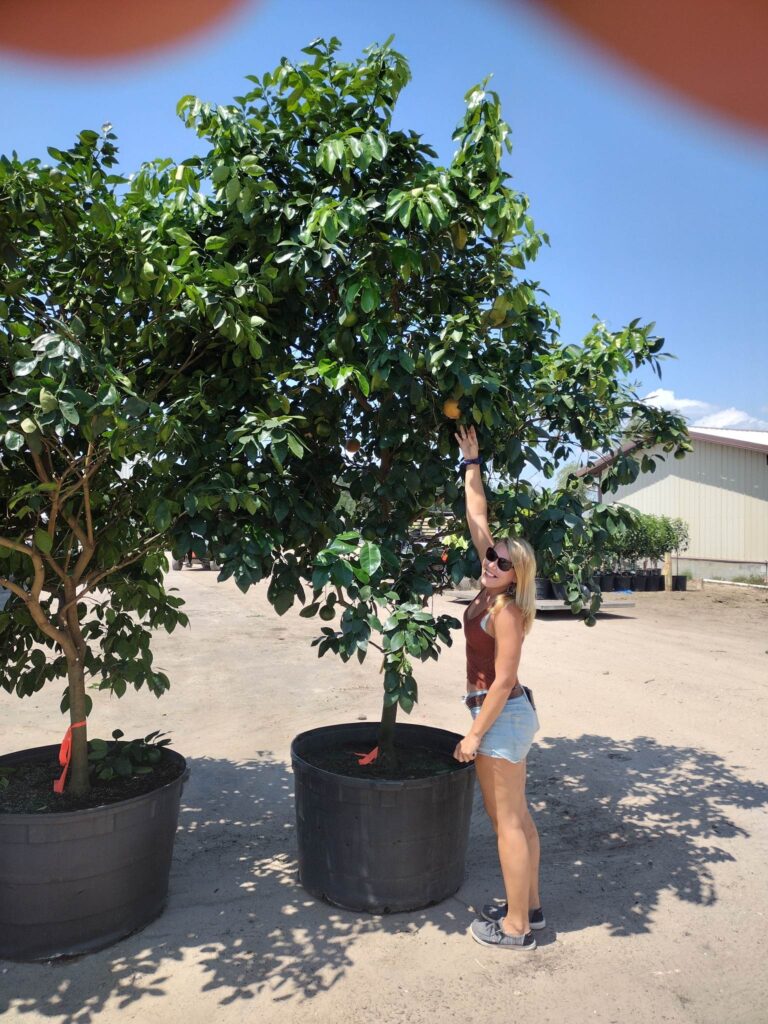
Drainage at the site protects the roots, so the best place to grow pomegranate trees sits a little high rather than low. Avoid any spot where water pools and lingers after a heavy Florida downpour, because standing water suffocates roots and invites rot. A gentle slope or a slightly raised bed moves excess rain away from the trunk and keeps the root zone healthy. If your only sunny area drains poorly, build up a low mound of soil and plant the tree on top of it. Container growing is another solid option for patios, small lots, or renters who want to take the tree with them. A large pot with drainage holes and a quality mix lets you control both water and placement with ease. Choose the site carefully now and your pomegranate will thank you with steady fruit for years.
Soil and Watering Needs to Grow Pomegranate Trees
The soil and watering needs to grow pomegranate trees are easier to meet than many gardeners expect, which is part of the plant’s appeal. Pomegranates accept a wide range of soils, from sandy ground to heavier loam, as long as water passes through rather than sitting around the roots. They prefer a soil pH that runs slightly acidic to neutral, somewhere in the range of 5.5 to 7.0, which matches much of our local ground. Mixing compost into the planting hole improves both drainage and the nutrients available to a new tree. Sandy Florida soil drains quickly, so adding organic matter helps it hold just enough moisture between waterings. Avoid burying the trunk; set the tree at the same depth it grew in the nursery pot. A simple soil test from your local extension office takes the guesswork out of any adjustments you might need.
Watering during the first year is the part of the soil and watering plan for pomegranate trees that demands the most attention. A newly planted tree has a small root system, so it cannot reach deep moisture and needs your help to establish. Water deeply two or three times each week through that first growing season, soaking the root zone rather than splashing the surface. Once the tree settles in and roots spread out, pomegranates become tolerant of drought and need far less from you. Even so, do not let a young tree dry out completely during our hottest stretches in summer. A thick layer of mulch around the base, kept a few inches off the trunk, holds moisture and cools the roots. Check the soil with your finger before watering, since overwatering causes as much harm as neglect.
Watering during fruit development is the final piece of the soil and watering needs for pomegranate trees, and it directly affects fruit quality. As fruit swells through late summer and early fall, the tree needs steady, even moisture to fill out each pomegranate properly. Big swings between bone dry soil and a sudden soaking cause the skin to split, which ruins fruit and invites pests. Aim for consistent watering during this stage so the fruit grows at a smooth, even pace. Mulch helps tremendously here by buffering the soil against the wild moisture swings our weather throws at it. Pay close attention after heavy rain follows a dry spell, since that exact pattern triggers the worst splitting. Steady water at the right time turns a decent crop into a great one.
Pruning and Feeding to Grow Pomegranate Trees
Pruning and feeding to grow pomegranate trees keeps your plant productive, shapely, and free of the problems that drag down a neglected tree. In the first two years, focus on building a strong frame by selecting four to six main branches spaced evenly around the trunk. Light pruning during the dormant winter months opens up the center so sunlight and air reach the inner canopy. An open structure dries faster after rain and ripens fruit more evenly across the whole tree. Remove any branches that cross, rub, or grow straight back toward the middle of the plant. Use clean, sharp tools and make cuts just outside the branch collar to help the wound heal. A little shaping early on prevents the tangled mess that older, unpruned pomegranates often become.
Managing suckers is a constant part of pruning and feeding pomegranate trees, since this plant naturally throws up shoots from the base. Pomegranates send out suckers around the trunk and roots, and left alone these turn a single tree into a thick shrub. Pull or cut these low shoots regularly if you want a clear trunk and a tidy tree form. Some gardeners actually allow a few suckers and grow the plant as a multi trunk bush, which works fine for hedges. Decide on the form you want early and stay consistent so the tree grows the way you planned. Removing suckers also pushes the tree’s energy up into fruiting branches instead of low, unproductive growth. A few minutes of sucker removal every month keeps the whole job manageable.
Feeding rounds out the pruning and feeding routine for pomegranate trees, and these plants are not heavy feeders by nature. A balanced fertilizer applied in early spring as new growth begins gives the tree what it needs for the season. A second light feeding in early summer supports flowering and fruit set without pushing excessive leafy growth. Avoid heavy doses of nitrogen, since too much encourages leaves at the expense of flowers and fruit. Spread the fertilizer out under the canopy rather than piling it against the trunk, then water it in well. Young trees benefit from lighter, more frequent feeding while mature trees do fine with one or two yearly applications. Pair smart feeding with regular pruning and your pomegranate will stay healthy and generous for decades.
When to Expect Your First Pomegranate Harvest
When to expect your first pomegranate harvest is the question almost every new grower asks, and the honest answer rewards patience. A young tree spends its first couple of years building roots and branches rather than fruit, which is exactly what you want it to do. Trees grown from cuttings or nursery stock fruit much sooner than trees started from seed, often by a wide margin. In our Central Florida climate, the fruit ripens through the fall months rather than in summer. The growing season runs from spring flowers through to a fall harvest, so the whole cycle takes the better part of a year. Knowing the timeline keeps your expectations realistic and your enthusiasm intact through those early seasons. The sections below explain the timeline, the ripeness signs, and how to protect the crop you waited for. Curious about other fruit trees that fit our region? Explore our full lineup of fruit trees for sale and plan a backyard orchard.
The Timeline for Your First Pomegranate Harvest
The timeline for your first pomegranate harvest depends heavily on how the tree was started, so this is where nursery trees pull ahead. A pomegranate grown from a cutting or bought as an established nursery plant often sets its first small crop within two to three years. A tree grown from seed can take five to seven years and may not even produce fruit identical to its parent. This is one big reason to buy a known, healthy tree rather than gambling on seed. Even a fast starting tree usually offers only a light first crop, with production climbing steadily after that. Treat those first few fruits as a preview rather than a full harvest. The early years are an investment, and the payoff grows larger every season.
Full production marks the real reward in the timeline for your first pomegranate harvest, and it arrives a few years after that first taste. Most pomegranate trees reach heavy, dependable yields around year five or six once the canopy and root system mature. From that point a single healthy tree can produce dozens of fruit every fall for many years. The exact pace depends on sun, water, pruning, and the variety you planted. Trees in bright, well drained spots with steady care reach full output faster than neglected ones. A little attention through those building years pays back many times over at harvest. Think of the early seasons as the foundation for decades of fruit.
The seasonal calendar shapes the timeline for your first pomegranate harvest, and our Florida climate sets a clear rhythm. Flowers appear in spring and early summer as bright orange red blooms that draw bees and other pollinators. Pomegranates are self fertile, so a single tree can set fruit on its own, though a second tree nearby tends to improve the yield. From bloom, the fruit needs several months of warm weather to develop, swell, and ripen on the branch. Harvest in our region generally lands from September through November, depending on the variety and the year’s weather. Mark your calendar from the bloom date so you know roughly when to start checking for ripeness. Following this natural cycle keeps you in step with the tree.
Signs Your First Pomegranate Harvest Is Ready
Reading the signs your first pomegranate harvest is ready matters more with this fruit than with many others. Pomegranates do not continue to ripen once you pick them, so timing the harvest correctly is essential. Fruit picked too early stays tart and underdeveloped with no way to improve on the counter. Color is the first clue, as the skin deepens from a pale green to a rich red or reddish brown depending on the variety. The skin also shifts from smooth and glossy toward a slightly matte, leathery finish as the fruit matures. Watch the color across the whole tree, since fruit on the sunniest side often ripens first. Learning these signs takes one season, and after that you will judge ripeness at a glance.
Shape and sound offer reliable confirmation among the signs your first pomegranate harvest is ready to pick. A ripe pomegranate loses its round form and develops flat, angular sides as the seeds inside swell and press outward. Gently squeeze a fruit and a ripe one feels firm yet gives slightly under pressure rather than staying rock hard. Tap the skin with a finger and listen for a metallic, almost tinny sound, which signals plump, juicy seeds within. Combine these checks with color rather than relying on any single cue by itself. The more signals that line up, the more confident you can be about picking. With practice these checks take only a few seconds per fruit.
Harvesting at the right moment completes the signs your first pomegranate harvest is ready, and gentle handling protects the crop. Cut the fruit from the branch with pruners rather than pulling, since yanking can damage both the fruit and the wood. Leave a short stem attached to keep the skin sealed and the fruit fresh longer. Harvest before a hard rain when you can, because soaked ripe fruit splits and spoils quickly. Pick over several days as different fruit reaches the right stage rather than stripping the whole tree at once. Store harvested pomegranates in a cool spot, where they keep well for weeks. A careful harvest rewards all the patience the early seasons required.
Why You Should Plant Pomegranate Trees From Paul’s Nursery
Planting pomegranate trees from Paul’s Nursery gives your harvest a strong head start, because the tree you begin with shapes everything that follows. Our trees are raised for Central Florida conditions, so they arrive healthy, rooted, and ready to settle into your yard. We have grown fruit trees as a family for more than a century, and that experience guides every recommendation we make. A great tree paired with honest advice removes most of the guesswork from your first growing seasons. We help homeowners across Clermont, Winter Garden, The Villages, and the surrounding areas build productive backyard orchards. The right tree, planted the right way, sets you up for fruit you will enjoy for many years.
Plant Pomegranate Trees That Thrive in Florida
When you plant pomegranate trees that thrive in Florida, variety selection makes a real difference in your long term success. Our humid climate and frequent summer rain challenge some varieties more than others, and the wrong pick leads to splitting and disease. Our team helps you choose a tree suited to our heat, our soil, and our rainfall patterns. We start with strong, healthy stock so your tree begins life with a solid root system. A tree matched to local conditions grows faster, fruits sooner, and resists common problems. That match between plant and place is the foundation of every successful orchard.
To plant pomegranate trees that thrive in Florida, you also need a tree that suits your specific yard and goals. We talk through your sun, your space, and how much fruit you hope to harvest before you ever buy. Our staff offers honest recommendations rather than pushing the biggest or most expensive tree on the lot. Want a compact tree for a patio or a full size tree for an open yard? We help you weigh the options and choose with confidence. Honest guidance now prevents costly mistakes later.
Choosing to plant pomegranate trees that thrive in Florida means starting with a partner who knows the region inside and out. We have watched these trees grow across our service area through countless seasons of heat, rain, and the occasional cold snap. That local knowledge shapes the advice we share with every customer who walks through our gates. You can see our pomegranate trees for sale and ask us anything before you decide. We would rather answer your questions today than have you guess on your own. The right start is the surest path to a great harvest.
Get Expert Help Planting Pomegranate Trees
Get expert help planting pomegranate trees and you remove the most common mistakes before they ever happen. Planting depth, spacing, and site choice all affect how well a tree establishes in its first year. Our team walks you through each step so your tree goes in correctly the first time. We explain how to dig the hole, set the tree, and water it through those critical early weeks. Good planting technique pays off in faster growth and earlier fruit. A few minutes of guidance saves you from problems that show up seasons later.
When you get expert help planting pomegranate trees, you also gain support that continues after the sale. We offer free estimates for delivery and planting, so you can let our team handle the heavy work if you prefer. We are happy to answer questions about watering, pruning, and feeding as your tree grows and the seasons change. Our goal is a thriving tree in your yard, not just a sale at our counter. That ongoing relationship is part of how we do business. You always have somewhere to turn when a question comes up.
Choosing to get expert help planting pomegranate trees connects you with a nursery that genuinely cares about your results. We take pride in seeing local yards fill with healthy, productive fruit trees year after year. Our advice comes from generations of hands on experience, not from a script or a sales quota. We serve homeowners throughout Lake County and the nearby communities with the same honest approach every time. Stop by, call, or browse our selection online whenever you are ready. We are here to help your orchard succeed.
Why Choose Paul’s Nursery for Pomegranate Trees
Why choose Paul’s Nursery for pomegranate trees comes down to experience, honesty, and a deep focus on Central Florida growing conditions. Our family has worked in the nursery trade for more than 125 years, and that tradition guides everything we grow and recommend. We know which trees perform here and which ones struggle, and we share that knowledge openly. You get a healthy tree and straight advice rather than a hard sell. That combination is exactly what a first time fruit grower needs. Our reputation rests on the trees thriving in your yard.
Another reason why choose Paul’s Nursery for pomegranate trees is our commitment to honest, homeowner focused service. We help everyday families build backyard orchards, not just supply commercial growers. Our recommendations always put your success and your budget first. We offer free estimates for delivery and planting so the whole process stays simple and clear. From the first question to the first harvest, we stay in your corner. That kind of support is hard to find at a big box store.
For all these reasons, gardeners across our service area know why choose Paul’s Nursery for pomegranate trees and other fruit trees. We are proud to serve Clermont, Winter Garden, The Villages, and the surrounding communities from our location in Groveland. Ready to plant a pomegranate tree of your own? Visit us at 13844 Equestrian Dr, Groveland, FL 34736, browse our pomegranate trees for sale, or call our team at (352) 536-4893 for honest advice and a free estimate. We would be glad to help you grow your first crop.