How to Choose the Right Spot in Your Yard for a New Fruit Tree
Choosing the right spot in your yard for a new fruit tree shapes how well that tree grows for years to come. The location you pick controls how much sunlight the tree receives, how water moves around the roots, and how much room the canopy has to spread. A strong start in the right place leads to faster growth, healthier leaves, and a heavier harvest down the road. A poor location can slow the tree, invite disease, and limit the fruit you bring home. Central Florida brings its own set of conditions, from sandy soil and intense summer sun to heavy afternoon rain during the wet season. Homeowners across Clermont, Winter Garden, and The Villages plant citrus, mango, avocado, and other fruit trees that thrive when they sit in the right place. This guide walks you through the main factors that decide a good planting site. By the end, you will know how to read your yard and set your new tree up for a long, productive life.
How to Pick the Best Spot in Your Yard for a New Fruit Tree
Picking the best spot in your yard for a new fruit tree starts with watching how your yard behaves throughout the day. Sunlight, soil, and space work together to support strong roots and steady growth. Most fruit trees need full sun, plenty of air movement, and soil that drains freely after rain. The wrong corner of the yard can leave a tree shaded, soggy, or crowded against a fence. Take a few days to study where the sun lands in the morning and afternoon. Notice where puddles form after a summer storm and where water drains away quickly. Think about how large the tree will grow and how its branches and roots will spread over time. These simple observations point you toward the planting site that gives your tree its best shot. Ready to start your backyard orchard? Click here to browse our fruit trees for sale.
Sunlight Needs When You Choose a Spot for a New Fruit Tree
Sunlight is the single biggest factor when you choose a spot for a new fruit tree. Most fruit trees need at least six hours of direct sun each day, and many grow best with eight hours or more. Citrus, mango, and peach trees all reward you with more fruit when they soak up long stretches of bright light. Sun powers the leaves that feed the tree and ripens the fruit that hangs on the branches. A tree that sits in shade for most of the day produces fewer flowers and a smaller harvest. Light also helps the canopy dry out after rain, which keeps fungal problems in check. In Central Florida, the summer sun is strong and steady, which works in your favor for sun loving fruit trees. Aim for an open area that catches sun for the bulk of the day.
The path of the sun changes through the year, so study your yard across more than one season if you can. In summer, the sun rides high and reaches deep into open areas of the yard. In winter, the sun sits lower and casts longer shadows from your house, fence, and tall trees. A spot that looks sunny in June can fall into shade by December when the angle drops. Watch how shadows from buildings and large oaks move across the ground during the day. The south side of your home usually collects the most light over the course of the year. Morning sun on the east side dries dew quickly and warms the tree early. Track these patterns before you dig, and you will avoid planting into a hidden pocket of shade.
Too much shade holds a fruit tree back in ways that show up slowly. Branches stretch toward the light and grow thin and weak instead of full and sturdy. Flowering drops off, and the fruit that does form often stays small and sour. Damp, shaded canopies hold moisture longer, which opens the door to leaf spot and other fungal issues. A shaded tree also grows lopsided as it leans toward the brightest gap in the canopy above. If your only open space sits under large trees, consider trimming nearby branches to let more light through. You can also pick a fruit variety that tolerates partial shade a bit better than others. Most of the time, though, a sunny, open site beats a shaded one every season. Want a tree that fits your sun and space? Click here to see our orange trees.
Soil and Drainage When You Choose a Spot for a New Fruit Tree
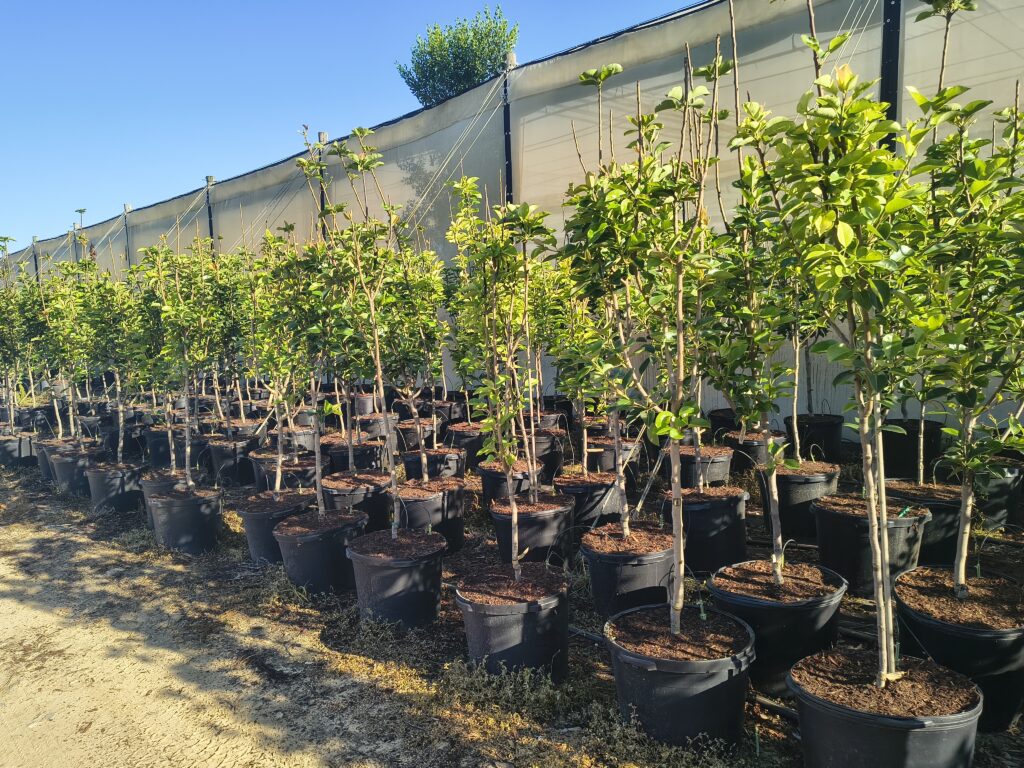
Soil and drainage matter just as much as sun when you choose a spot for a new fruit tree. Most fruit trees hate sitting in water, and soggy roots are a common cause of decline and root rot. Central Florida soil is often sandy, which drains fast and rarely holds water for long. Sandy ground works well for citrus and many other fruit trees that like their roots on the dry side. Some yards have low areas or pockets of denser soil that trap water after heavy rain. During the summer wet season, those low spots can stay flooded for hours or even days. Roots that sit in standing water cannot take in air, and the tree slowly suffocates. Look for ground that drains freely and never turns into a puddle that lingers.
You can test drainage in any spot with a simple hole and a bucket of water. Dig a hole about a foot deep and a foot wide where you plan to plant. Fill the hole with water and let it drain completely the first time. Fill it again and watch how long the second round takes to disappear. Water that drains within a few hours points to soil that suits most fruit trees. Water that lingers for a day or more signals a wet spot you should avoid. If every option drains slowly, you can raise the planting area with a low mound of soil. A mound lifts the root ball above the wet zone and gives the roots room to breathe.
Soil quality also affects how your fruit tree feeds and settles into its new home. Sandy Florida soil drains well but holds few nutrients on its own, so steady feeding helps. Adding compost or quality planting soil to the area gives young roots a richer start. The hole should be as deep as the root ball and about twice as wide for easy spreading. Loosen the sides of the hole so roots can push out into the surrounding ground. Avoid planting too deep, since a buried trunk traps moisture and invites rot at the base. Keep the top of the root ball level with or slightly above the surrounding soil. Good soil paired with steady drainage builds the foundation for a tree that thrives for decades.
Spacing and Room to Grow When You Choose a Spot for a New Fruit Tree
Spacing and room to grow round out the list when you choose a spot for a new fruit tree. A young tree from the nursery looks small, but it will fill out far larger than its starting size. Standard citrus, mango, and avocado trees can spread fifteen to twenty five feet wide once fully grown. Crowding a tree against a fence, wall, or neighbor’s yard leads to cramped branches and poor airflow. Branches that rub a structure can snap, and a canopy pressed against a wall stays damp and disease prone. Give the tree enough open space on all sides to reach its full, natural shape. Picture the fully grown size, not the small tree you carry home from the nursery. A little planning now saves you from heavy pruning or a transplant later.
Roots spread as wide as the branches, and sometimes wider, so think below the ground too. Plant away from your home’s foundation, driveway, septic system, and underground pipes. Roots reaching for water can lift pavement and work into cracks in old plumbing lines. A safe rule keeps large fruit trees at least fifteen feet from your house and hardscape. Smaller and dwarf varieties need less room and suit tight yards or patio corners. Check for overhead power lines before you plant, since a tall canopy can grow into them over time. Call your local utility to mark buried lines before any digging begins. A quick check protects your tree, your property, and your wallet down the road.
Airflow around a fruit tree keeps the canopy healthy and lowers the risk of disease. Trees packed too close trap humid air, which fungus and pests love during the Florida summer. Open spacing lets breezes move through the branches and dry the leaves after rain. Good airflow also helps bees and other pollinators reach the flowers when the tree blooms. If you plan to plant several trees, give each one room based on its mature width. Rows of citrus, for example, often sit fifteen feet apart from trunk to trunk. Dwarf trees can sit closer together, but they still need space to breathe. Plan the layout before you dig the first hole, and your whole orchard grows stronger for it.
Common Mistakes When Choosing a Spot in Your Yard for a New Fruit Tree
Common mistakes when choosing a spot in your yard for a new fruit tree often trace back to a rushed decision. Many homeowners pick a location for looks alone and skip the practical checks. A pretty corner can hide poor drainage, deep shade, or roots from nearby trees competing for water. Other mistakes include planting too close to the house or under power lines that limit growth. Some yards have hidden low spots that flood only during the heaviest summer storms. A few minutes of planning prevents years of struggle with a tree in the wrong place. The good news is that each common mistake is easy to avoid once you know what to watch for. Let us walk through the ones that trip up homeowners most often.
Avoiding Wet Low Areas When Choosing a Spot for a New Fruit Tree
Avoiding wet low areas ranks at the top when choosing a spot for a new fruit tree. Low spots in the yard collect rain and runoff, and the water often lingers long after a storm. Central Florida’s summer rains arrive almost daily and can dump several inches in a short time. A dip that looks dry in spring can turn into a shallow pond during the wet season. Fruit tree roots need air as much as they need water, and standing water cuts off that air. Over time, soggy roots rot, the leaves yellow, and the tree slowly fails. Even trees that survive a wet site grow weak and produce little fruit. Walk your yard after a heavy rain and mark any spot that holds water for hours.
If your yard has a low area you still want to use, you have a few good options. Building a raised mound lifts the root ball above the waterline and gives roots dry footing. A mound about a foot tall and several feet wide works for most young fruit trees. You can also improve drainage by adding sandy soil and compost to loosen heavy ground. Some homeowners shape a gentle slope to guide water away from the planting site. Swales or simple drains can carry runoff toward a better outlet in larger yards. These fixes take a little effort, but they open up parts of the yard you might otherwise skip. A small investment in drainage pays off with a tree that stands strong for years.
The smartest move is often to simply choose higher ground from the start. High spots shed water naturally and keep roots in the moist but never soggy range fruit trees prefer. The crown of a gentle rise usually drains in every direction, which suits citrus and tropical trees well. If your whole yard sits low and flat, focus on the areas that dry out fastest after rain. Raised beds and mounds turn a wet yard into a workable home for fruit trees. Pair good site choice with the right tree for your soil, and growth comes easily. Our team can look at your yard and point out the spots that drain best. A quick site visit removes the guesswork before you ever pick up a shovel.
Watching for Overhead Lines and Structures When Choosing a Spot for a New Fruit Tree
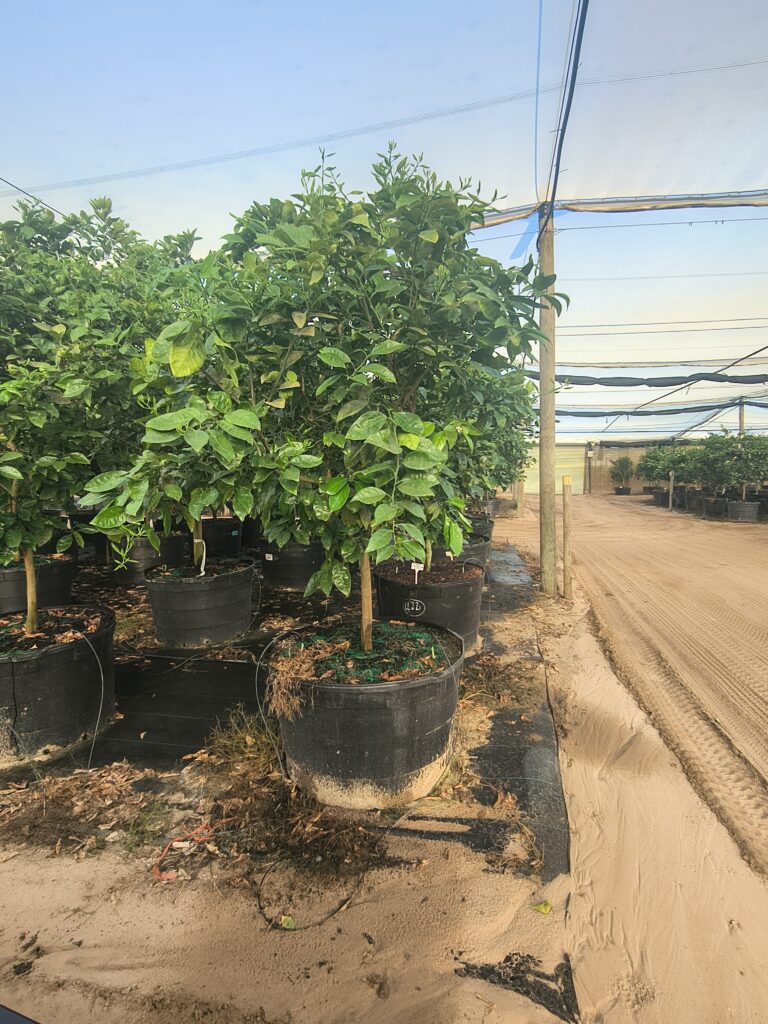
Watching for overhead lines and structures protects you when choosing a spot for a new fruit tree. A small tree from the nursery clears every wire and rooftop with ease, but that changes fast. Many fruit trees reach fifteen to twenty five feet tall, and some climb higher over the years. A canopy that grows into power lines becomes a safety hazard and a costly pruning problem. Utility crews may cut the tree into an odd shape to keep branches clear of the wires. Plant well away from any overhead line so the tree can reach its full height in peace. Look straight up from your chosen spot and picture the mature canopy filling that space. Open sky above the planting site is exactly what a fruit tree wants.
Structures on the ground deserve the same attention as the wires above. Roof overhangs, gutters, and second story walls can block sun and crowd a growing canopy. A tree planted too close to the house may push branches against the siding and trap moisture. Falling fruit and leaves can clog gutters and stain walls or walkways below. Keep large fruit trees at least fifteen feet from the house, fence, and any shed. Smaller varieties can sit closer, but they still need clearance to spread their branches. Measure the distance from the trunk to the nearest structure before you dig. A little space now keeps the tree healthy and your home clear of overgrowth.
Underground structures cause the most surprises when a tree’s roots spread wide. Septic tanks, drain fields, water lines, and sewer pipes all sit below the surface in many yards. Roots search for moisture, and a leaky pipe or septic field draws them in fast. Once inside a pipe, roots cause clogs, backups, and repairs that cost far more than the tree. Call your utility company to mark buried lines before you dig anywhere in the yard. Keep fruit trees well clear of the septic system and any underground plumbing. A safe buffer protects your plumbing and lets the roots spread without trouble. Plan around what you cannot see, and your tree settles in without a fight.
Planning for Pollination When Choosing a Spot for a New Fruit Tree
Planning for pollination shapes your harvest when choosing a spot for a new fruit tree. Some fruit trees pollinate on their own and set fruit without a partner nearby. Most citrus, many peaches, and figs fall into this group and fruit well as a single tree. Other trees, including certain apple and pear varieties, need a second tree for cross pollination. Avocados set more fruit when an A type and a B type grow within range of each other. Before you plant, learn what your chosen variety needs to produce a full crop. If a partner tree is required, plan space for both within a short distance. The right pairing turns a light harvest into branches loaded with fruit.
Pollinators need easy access to the flowers, so the planting spot affects more than sun and soil. Bees, butterflies, and other insects carry pollen from bloom to bloom during flowering season. A tree tucked behind a windbreak or wall may see fewer visiting pollinators. Open spacing and good airflow help insects move freely through the canopy. Avoid heavy pesticide use near blooming fruit trees, since it drives away the very helpers you need. Flowering plants nearby can draw more bees into the area and boost fruit set. Place trees where pollinators already work in your yard for the best results. A garden alive with bees usually means a fruit tree that fills out come harvest.
Climate and timing also play into pollination here in Central Florida. Most fruit trees bloom in spring, though some citrus push flowers more than once a year. A late cold snap can damage early blooms and cut into the season’s fruit set. Planting on the south side of the yard gives trees a touch more warmth during cool nights. Steady temperatures and gentle airflow keep the blooms healthy through the flowering window. Match your variety to the local climate so its bloom time lines up with active pollinators. Our team knows which trees pollinate well in this region and which ones need a partner. Ask us about pairings before you plant, and your harvest will thank you.
Get Help Choosing the Right Spot for Your New Fruit Tree
Get help choosing the right spot for your new fruit tree, and you remove the guesswork from the start. The right location decides how fast your tree grows and how much fruit it brings each season. Our family has helped Central Florida homeowners plant healthy fruit trees for over one hundred twenty five years. We offer free estimates for delivery and planting, and we know the soil and climate across the region. From sun and drainage to spacing and pollination, we guide you toward the best site in your yard. A short conversation with our team sets your new tree up for a long and productive life.
Schedule a Free Estimate to Choose the Right Spot for a New Fruit Tree
Scheduling a free estimate is the easiest way to choose the right spot for a new fruit tree. Our team visits your property and reads the yard the way only experience can. We check where the sun falls, how the ground drains, and how much room each tree will need. You get honest guidance based on your yard, not a one size fits all answer. The estimate covers delivery and planting, so you know the full picture before any work begins. Want a free estimate for delivery and planting? Click here to get started.
A site visit catches problems that are easy to miss on your own. We spot low areas that flood, shaded corners, and buried lines that affect where you plant. We also point out the brightest, best draining parts of your yard for strong growth. You learn which fruit trees suit your soil and how to space them for years of healthy harvests. Our recommendations come from real experience with Central Florida yards and conditions. By the end of the visit, you have a clear plan and a tree matched to your space.
Free estimates also help you plan your budget with no surprises. You know the cost of the tree, the delivery, and the planting before you commit. Our team handles the heavy work of moving and planting a healthy tree the right way. Proper planting from the start gives roots the best chance to take hold quickly. We treat every yard with care and leave the site clean when the job is done. One call brings expert eyes to your property and a tree ready to grow.
Browse Healthy Trees Before You Choose the Right Spot for a New Fruit Tree
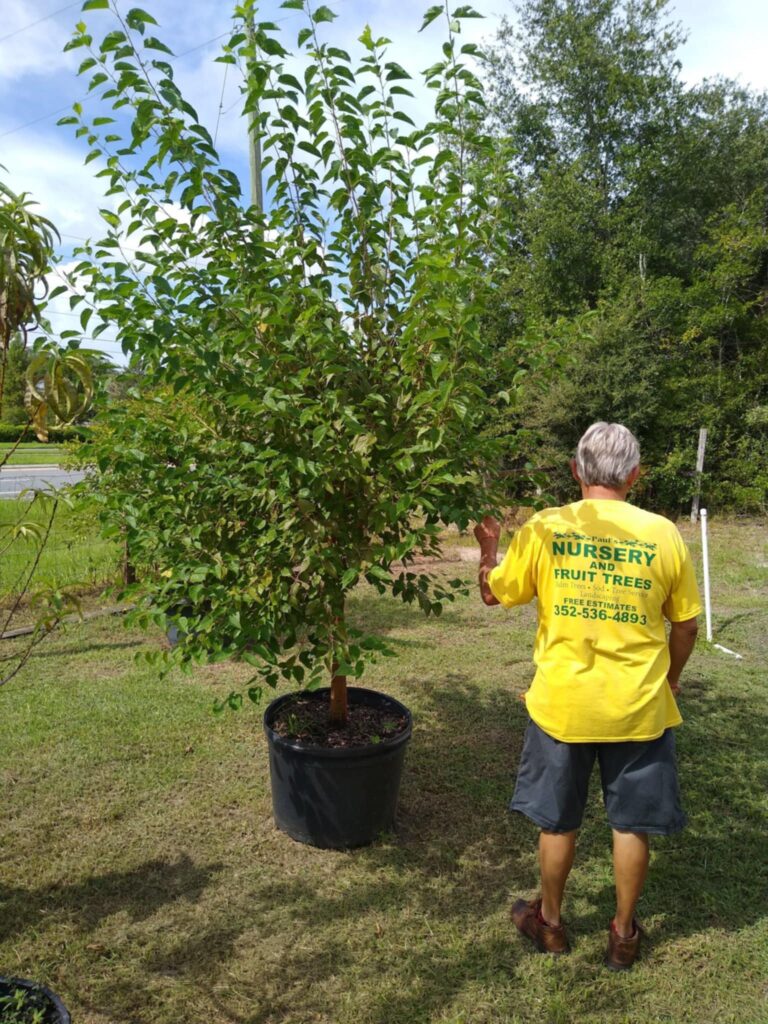
Browsing healthy trees helps you plan before you choose the right spot for a new fruit tree. Knowing the mature size of your tree tells you how much space to set aside. Our nursery carries citrus, mango, avocado, and many other fruit trees suited to Central Florida. Each variety has its own needs for sun, drainage, and room to spread. When you know the tree, you can match it to the perfect place in your yard. Our staff is happy to walk you through the options and help you choose.
We focus on healthy, well rooted trees that settle in quickly after planting. A strong tree from the nursery has a better shot at thriving in the right spot. Weak trees with roots circling the pot struggle no matter how good the location may be. We grow and select stock that handles the heat, sun, and soil of this region. Buying a healthy tree protects the time and effort you put into site selection. Quality at the start leads to fuller branches and heavier fruit down the road.
Matching the tree to your yard is where our experience really pays off. Tell us about your space, your sun, and your soil, and we point you to the right variety. We can suggest trees that fit small yards, patio corners, or wide open lots. You avoid the costly mistake of planting a tree that outgrows its place. Our honest recommendations come from generations of work with Central Florida fruit trees. The right tree in the right spot rewards you for many seasons to come.
Why Choose Paul’s Nursery to Choose the Right Spot for a New Fruit Tree
Choosing Paul’s Nursery means choosing more than a century of family nursery tradition. For over one hundred twenty five years, our family has grown and planted healthy fruit trees. We know the soil, sun, and seasons of Central Florida better than anyone in the area. Homeowners across Clermont, Winter Garden, The Villages, and nearby towns trust our honest guidance. We treat every yard as if it were our own and recommend only what truly fits. That tradition of care stands behind every tree we sell and plant.
Our focus on honest recommendations sets us apart from the big box stores. We never push a tree that will not thrive in your yard or your climate. Instead, we listen to your goals and match you with the right variety and the right spot. Our free estimates for delivery and planting make the whole process simple and clear. We handle the heavy lifting and plant each tree the proper way for strong roots. You get a trusted partner who stands behind the trees we plant.
Ready to plant a fruit tree in the perfect spot in your yard? Our team is here to guide you from the first question to the final harvest. We help homeowners build backyard orchards that produce fresh fruit for years. Visit us at 13844 Equestrian Dr in Groveland, or reach out to talk through your plans. Call Paul’s Nursery today at (352) 536-4893 to schedule your free estimate. Let our family help your new fruit tree find the right home in your yard.