A Simple Guide to Growing Fig Trees in the Florida Climate
Fig trees rank among the easiest fruit trees to grow in Central Florida yards, and they reward new gardeners faster than almost any other backyard crop. These trees handle heat, sandy soil, and humidity better than many fruit trees that struggle in our region. Most homeowners can pick ripe figs from their own tree within one to two years of planting. The main crop ripens during the summer, so right now is the perfect time to learn how these trees grow and produce. This guide walks through the basics of sunlight, soil, water, and variety choice for the local climate. It also covers the common problems that affect figs here, along with simple ways to prevent them. With a little planning, a single fig tree can supply fresh fruit for decades. Read on to see how easy growing figs can be in Central Florida.
How to Grow Fig Trees in the Florida Climate
Growing fig trees in the Florida climate starts with matching the right variety to the local heat and humidity. Figs need plenty of sun, steady moisture during fruiting, and soil that drains well. The sandy ground common across Lake County and nearby areas works in their favor, since figs hate soggy roots. Heat is rarely a concern for an established fig tree because the species comes from the warm Mediterranean region. Humidity is the bigger challenge in our area; it can sour fruit and feed fungal disease. Choosing a variety bred for the Southeast solves most of that issue before it ever starts. The sections below break down sunlight, soil, and watering so you can give your fig tree a strong start.
The Best Sunlight for Growing Fig Trees in the Florida Climate
Fig trees need full sun to produce a heavy crop. In Central Florida, that means at least six to eight hours of direct light each day. A spot on the south or west side of a home usually catches the most sun. More light leads to more fruit and sweeter figs, because the tree turns that energy into sugar. Trees grown in shade tend to stretch and grow leggy while producing far fewer figs. Morning sun also dries dew off the leaves quickly, which lowers the risk of fungal trouble. Pick the brightest open area in your yard for the best results.
Young fig trees can handle the strong summer sun once their roots settle in. Newly planted trees may appreciate a little afternoon shade during their first few weeks while they adjust. After that, full exposure is the goal for steady fruit production. Avoid planting figs too close to large oaks or buildings that throw long shadows across the day. Crowded planting blocks airflow too, and stagnant air keeps leaves damp longer than they should be. Good light and open space work together to keep a fig tree healthy. Space each tree at least ten to fifteen feet away from other large plants.
Sunlight also shapes how early your figs ripen each summer. Trees in full sun often start producing ripe fruit weeks ahead of shaded trees. Heat builds up around a sunny planting site, and figs use that warmth to finish ripening. A reflective surface, like a light colored wall, can add even more warmth on cooler spring mornings. Keep in mind that tender young leaves can scorch if a tree moves suddenly from a shaded nursery into blazing sun. Easing the tree into full light over a week prevents that stress. Once established, a fig tree in full Florida sun delivers a reliable summer harvest year after year.
The Right Soil for Growing Fig Trees in the Florida Climate
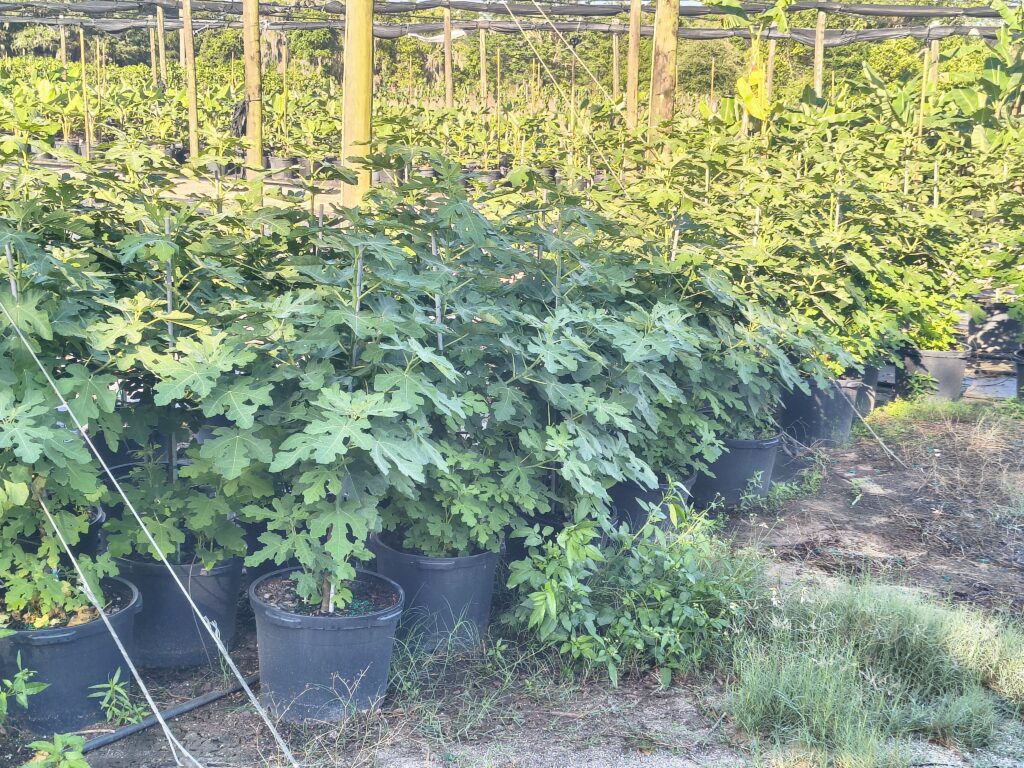
Soil drainage is one of the most important factors for growing fig trees in the Florida climate. Figs do not like to sit in water, and constantly wet roots can lead to rot. The sandy soils across Groveland and Clermont drain quickly, which suits figs very well. A slightly acidic to neutral pH, somewhere around six to seven, is ideal for fig trees. Most Central Florida yards already fall close to that range. You can test your soil with an inexpensive kit before planting to be sure. If the ground holds water after rain, raise the planting bed a few inches to improve drainage.
Root knot nematodes are the biggest soil threat to figs in our sandy region. These tiny pests attack fig roots and slowly weaken the tree over time. A thick layer of mulch helps protect the root zone and keeps nematode pressure lower. Organic matter such as compost feeds the soil and supports helpful organisms that compete with nematodes. Planting near a building foundation can help as well, since the cooler soil there slows nematode activity. Healthy soil rich in organic matter gives a fig tree the strength to outgrow minor pest damage. Add fresh mulch each year so the root zone stays covered.
Fig trees are light feeders, so soil preparation matters far more than constant fertilizer. Work compost into the planting hole to give the roots a rich start. Too much nitrogen pushes leafy growth and delays fruit, so go easy on strong fertilizers. A balanced, slow release feed applied a few times during the growing season is plenty. Mulch breaks down over time and quietly adds nutrients back to the soil. Keep that mulch a few inches away from the trunk to prevent rot at the base. Good soil care early on sets the tree up for many years of strong fig production.
Watering Tips for Growing Fig Trees in the Florida Climate
Water is the key to plump, sweet figs during the Florida summer. Young trees need regular water while their roots spread into the surrounding soil. A deep soak two or three times a week works far better than a light daily sprinkle. Deep watering pulls roots downward, which makes the tree more drought tolerant later on. During the hottest weeks of summer, check the soil often, because sandy ground dries out fast. Wilting leaves in the afternoon can signal that the tree wants a drink. Morning watering gives the roots time to absorb moisture before the midday heat sets in.
Established fig trees handle dry spells better, yet fruit quality still depends on steady moisture. As figs size up and ripen, consistent water keeps the fruit from splitting. Sudden heavy watering after a long dry stretch can cause figs to crack right open. Aim to keep the soil evenly moist instead of swinging between bone dry and soaked. A layer of mulch holds moisture in the soil and cuts how often you need to water. Drip irrigation is a simple way to deliver steady water straight to the root zone. Watch the weather too, since summer storms often handle some of the watering for you.
Overwatering causes just as many problems as drought for fig trees. Soggy soil starves roots of oxygen and invites both rot and disease. Always let the top inch or two of soil dry slightly between deep waterings. Container grown figs need closer attention, because pots dry out faster than open ground. Drainage holes in any pot are a must so excess water can escape. As fall approaches and the harvest winds down, you can ease off the watering schedule. Balanced watering through the summer is the difference between a small crop and a generous one. Ready to start your own tree? Click here to see our fig tree selection.
Common Problems When Growing Fig Trees in Florida and How to Solve Them
Even an easy crop like figs runs into a few challenges in the Florida climate. Humidity, pests, and timing issues account for most fig troubles in our area. The good news is that nearly every problem has a simple prevention or fix. Picking the right variety stops many issues before they ever begin. Smart watering, mulching, and pruning handle most of the rest. The sections below cover the three problems Central Florida fig growers face most often. Knowing what to watch for keeps your harvest on track all summer long.
Solving Fungal Disease When Growing Fig Trees in Florida
Fig rust is the most common fungal disease for fig trees in Florida. It shows up as yellow and brown spots on the leaves, usually in mid to late summer. Badly infected leaves drop early, and that loss can weaken the tree over time. High humidity and crowded branches create the damp conditions that rust thrives in. Good airflow around the tree is your first line of defense. Pruning to open up the canopy lets leaves dry faster after rain and dew. Raking up fallen leaves removes spores that would otherwise reinfect the tree the following year.
Fruit souring is another humidity driven problem, and it mostly affects open eye fig varieties. The opening at the bottom of the fruit, called the ostiole, can let in moisture, yeast, and insects. Once inside, those organisms ferment the fruit and ruin it before you can harvest. Closed eye varieties like Celeste resist this problem because the opening stays tight. This is exactly why variety choice matters so much in our humid climate. Harvesting figs promptly as they ripen also cuts souring losses. Never let overripe figs sit on the tree where pests can reach them.
Good sanitation prevents most fungal trouble before it spreads. Clear away dropped fruit and leaves throughout the season to break the disease cycle. Avoid overhead watering, since wetting the leaves only invites fungal growth. Water at the base of the tree instead so the canopy stays dry. A copper based fungicide can help in severe cases, though cultural care usually does the job on its own. Healthy, well spaced trees with strong light rarely suffer serious disease. Prevention is far simpler than treating a heavy infection once it takes hold.
Stopping Pests When Growing Fig Trees in Florida
Birds are often the top pest for ripe figs in Central Florida. They can strip a tree of fruit in a single morning once the figs sweeten. Lightweight netting draped over the tree keeps birds away during harvest. Picking daily as figs ripen also leaves birds fewer easy targets. Some growers hang reflective tape or other simple deterrents to scare them off. The sweeter the fruit, the more attention it draws, so quick picking pays off. Share a few figs with the wildlife and protect the rest with netting.
Root knot nematodes quietly damage fig roots beneath the soil. A tree weakened by nematodes grows slowly and produces smaller crops. Thick mulch and rich organic matter keep nematode pressure in check. Healthy soil full of life helps the tree shrug off minor root damage. Planting figs near a foundation or pavement can slow nematodes as well. Container growing avoids the problem entirely, since you control the soil mix. Watch overall tree vigor closely, because slow growth can hint at hidden root trouble.
Insects such as beetles and ants are usually drawn to fruit that is already split or souring. They rarely attack healthy, intact figs on their own. Keeping the tree clean and harvesting promptly removes the food source these pests seek. Ants often follow honeydew left by aphids or scale, so keep an eye out for those smaller pests too. A strong spray of water knocks many soft bodied insects right off the leaves. Sticky barriers around the trunk can stop ants from climbing into the canopy. Most fig pest issues fade once you remove damaged fruit and keep the area tidy.
Pruning and Timing When Growing Fig Trees in Florida
Pruning keeps a fig tree open, healthy, and easy to harvest. The best time to prune in Florida is late winter, while the tree is dormant. Removing crowded and crossing branches improves airflow and lowers disease risk. Pruning also keeps the tree at a height where you can actually reach the fruit. Figs grow back quickly, so do not be afraid to shape the tree each year. Avoid heavy pruning during the growing season, since that cuts into your crop. A light cleanup of dead wood, though, is fine at any time of year.
Timing your harvest is just as important as caring for the tree. Figs do not ripen further once picked, so they must come off fully ripe. A ripe fig softens, droops on its stem, and may show a small drop of nectar at the eye. The color also deepens to the final shade for that variety. Pick too early and you end up with bland, firm fruit. Check the tree daily during peak summer, because figs ripen fast in the heat. Gently twist or snip each fig to keep from bruising it.
Most Central Florida fig trees produce their main crop through the summer months. Some varieties offer a lighter early crop on last year’s wood as well. Warm weather speeds the whole process, so the window can shift earlier in hot years. After the summer harvest, the tree slows down as cooler weather moves in. This natural rhythm makes figs a dependable summer fruit for local yards. Planning your care around this timeline keeps the tree productive season after season. Want to expand your home orchard with more local favorites? Click here to browse all of our fruit trees for sale.
Why You Should Plant Fig Trees in Your Central Florida Yard
Fig trees offer a rare mix of easy care, fast results, and delicious fruit. They fit small yards, large properties, and even patio containers with no trouble. A healthy fig tree can produce fruit for many decades with simple seasonal care. The summer harvest also arrives when few other backyard fruits are at their peak. For Central Florida homeowners, figs are one of the most rewarding trees to plant. Starting with a strong, well grown tree from a trusted nursery makes the whole process far easier.
The Benefits of Planting Fig Trees in Your Central Florida Yard
Fig trees give you fresh fruit without the long wait that many other trees demand. Plenty of varieties begin fruiting within one to two years of planting. The fruit is rich and sweet, far better than anything you find at the store. Fresh figs are versatile in the kitchen, from quick snacks to homemade preserves. A single mature tree can produce more figs than one family can eat. That extra fruit is easy to share, freeze, or turn into jam.
Figs adapt well to the way most Central Florida families live and garden. They thrive in containers, which is perfect for renters or smaller patios. Planted in the ground, they grow into attractive shade trees with broad green leaves. The trees tolerate heat and short dry spells once their roots are established. Low fertilizer needs make them inexpensive to maintain over the years. For busy homeowners, figs deliver a high reward crop with very little daily effort.
Planting a fig tree is also a long term investment in your property. These trees can live and produce for generations with only basic care. A productive fruit tree adds real value and beauty to any yard. Children and grandchildren can enjoy the very same tree decades from now. The family tradition of homegrown fruit is easy to begin with a single fig. Few plants give back so much for so little ongoing work.
How to Get Started Planting Fig Trees in Central Florida
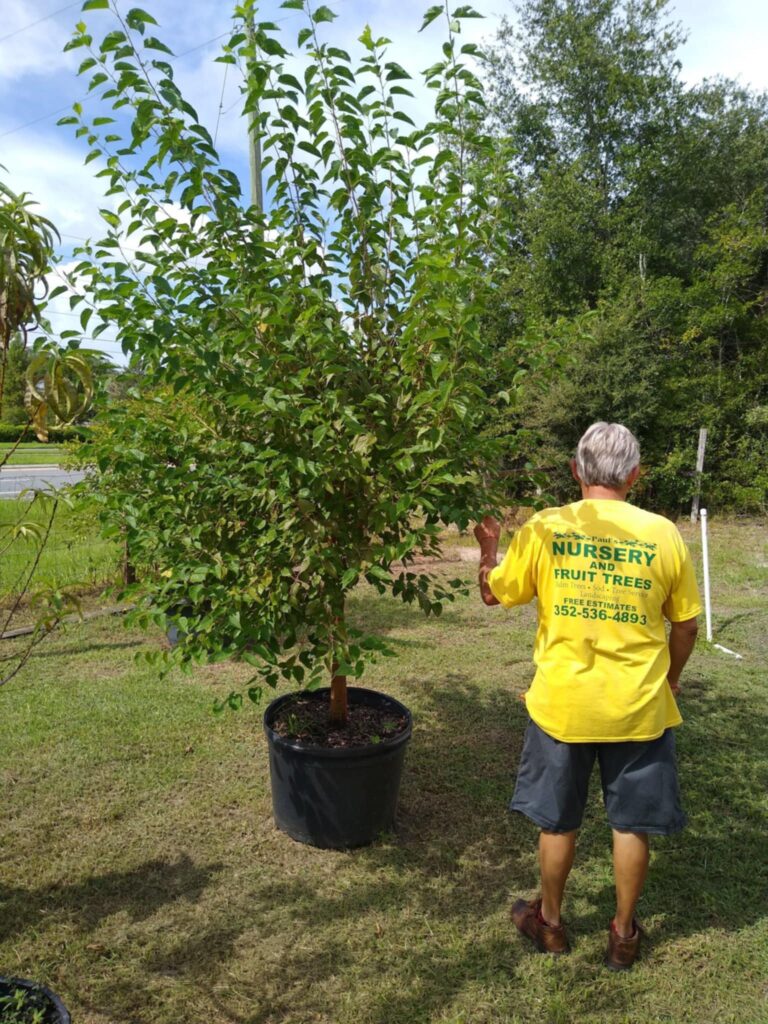
Getting started begins with choosing a variety suited to our humid climate. Closed eye types like Celeste and proven Southeast varieties perform best here. A knowledgeable nursery can point you straight to the right tree for your yard. Picking a healthy, well rooted tree gives you a strong head start. The right variety prevents most common fig problems from the very beginning. Local guidance saves you time, money, and a lot of trial and error.
Spring and fall are both good seasons to plant fig trees in Central Florida. Container grown trees can go in the ground during much of the year with proper care. Choose a sunny, well drained spot and dig a hole twice as wide as the root ball. Work compost into the soil, then water the new tree in thoroughly. A layer of mulch around the base locks in moisture and shields the roots. Steady water during the first few weeks helps the tree settle in fast.
A short visit to a local nursery answers most of the questions new growers have. You can see the trees in person and choose the size and variety you like best. Staff can explain care steps specific to your part of Central Florida. Buying local also means the trees are already adapted to the regional climate. Honest advice from the start makes growing figs simple and enjoyable. A little expert help up front saves headaches down the road.
Why Choose Paul’s Nursery for Fig Trees in Central Florida
Paul’s Nursery brings more than one hundred twenty five years of family nursery tradition to every tree we sell. Our team focuses on healthy fruit trees suited to Central Florida properties. We offer honest recommendations instead of pushing the most expensive option. Our nursery proudly serves Clermont, Winter Garden, The Villages, and many nearby communities. We help homeowners build backyard orchards that produce for years to come. That experience shows in the quality of every tree we grow.
We carry a wide range of fig varieties along with citrus, mango, avocado, and other tropical fruit trees. Free estimates for delivery and planting make it easy to get started. Our staff can match you with the right tree for your soil, your space, and your goals. We stand behind the trees we sell and the advice we share. Families across Central Florida trust us to help them grow fresh fruit at home. Our roots in this community run deep.
Visiting Paul’s Nursery is the simplest way to begin your fig growing journey. You can see our healthy trees and talk through your plans with people who truly care. We are located at 13844 Equestrian Dr in Groveland, Florida. Call us today at (352) 536-4893 to ask about our fig trees and planting services. We look forward to helping you grow a thriving fruit tree for your family. Click here to explore our fig trees and place your order.